
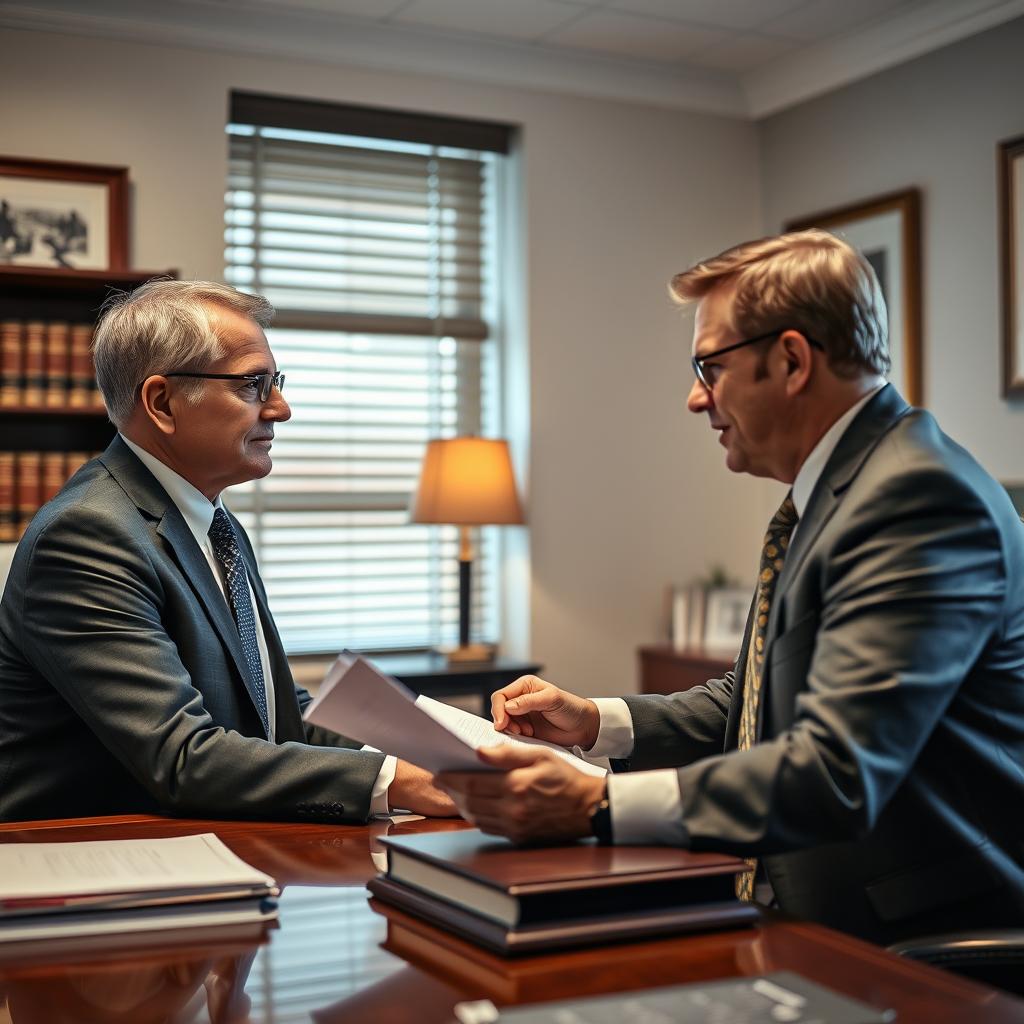
Witness Tampering lawyer Isle of Wight County, VA
A witness‑tampering investigation or indictment in Isle of Wight County unfolds under federal law in the U.S. District Court for the Eastern District of Virginia — one of the most expeditious and well‑resourced federal courts in the country. These charges, rooted in 18 U.S.C. §§ 1503‑1520, strike at the core of the justice system and are vigorously pursued by the U.S. Attorney’s Office. Whether the allegation involves obstructing testimony, influencing a witness through intimidation, destroying records, or retaliating against a cooperator, the government brings the full weight of federal investigative agencies — FBI, DEA, IRS‑CI, or ATF — to bear. For someone in Smithfield, Windsor, or Carrollton who receives a target letter or learns of a grand‑jury investigation, early engagement of defense counsel familiar with the Eastern District’s practices is critical. Mr. Sris, Owner and Founder of Law Offices Of SRIS, P.C., is a former prosecutor who has handled federal criminal matters since 1997. He and his Of Counsel team represent clients facing witness‑tampering allegations before the Newport News, Richmond, and Alexandria divisions of the court. To request a consultation, call (888) 437‑7747. Law Offices Of SRIS, P.C. – Advocacy Without Borders.
What Federal Witness Tampering Means in Isle of Wight County
Witness‑tampering offenses are federal felonies charged under the obstruction‑of‑justice statutes codified at 18 U.S.C. §§ 1503‑1520 and the perjury statutes at 18 U.S.C. §§ 1621‑1623. Unlike many state‑level crimes, a witness‑tampering case in Isle of Wight County is not prosecuted in the local General District Court; instead, it proceeds in the U.S. District Court for the Eastern District of Virginia. The Newport News Division, located at 2400 West Avenue, is the federal courthouse most directly serving Isle of Wight County residents, though matters may also be heard in Norfolk, Richmond, or Alexandria depending on the indictment and judicial assignment. The Eastern District is known nationally as a “rocket docket,” meaning cases move from initial appearance to trial faster than in most other federal districts. For a person accused of witness tampering, that compressed timeline demands careful attention to discovery, motions practice, and plea‑negotiation strategy.
The statutory penalties are severe. Depending on the specific charge and the underlying circumstances, a witness‑tampering conviction can carry a sentence of 5 to 20 years in a federal penitentiary. The U.S. Sentencing Guidelines will drive the advisory range, and mandatory minimums may apply if the tampering involved a killing, a threat of physical force, or was connected to certain drug‑trafficking or violent‑crime prosecutions. Federal parole was abolished in 1987, so any period of incarceration imposed must be served at least 85 percent of the time. A conviction also carries collateral consequences that can affect employment, professional licenses, and firearm rights. Because witness‑tampering charges often arise alongside the underlying offense that was the subject of the tampered proceeding, the total exposure can be substantially higher than the obstruction statute alone suggests.
The investigative path typically begins with a referral from a federal prosecutor or a federal agent who believes a person has attempted to influence a witness or has provided false information to investigators. Search warrants, subpoenas for phone records, and interviews of the alleged target’s associates often follow. In Isle of Wight County, where the population is spread between the historic hamlets of Smithfield and Windsor and the suburban communities near Carrollton, federal investigative activity can quickly become known, adding a layer of community pressure. Law Offices Of SRIS, P.C. works with clients from the earliest stages — before formal charges are filed — to help protect their rights and avoid statements that could later be used against them.
How Mr. Sris and His Of Counsel Handle Federal Witness Tampering Cases
Every federal witness‑tampering defense begins with a careful review of the government’s evidence and the timeline of the alleged conduct. Mr. Sris and his Of Counsel examine whether the government can prove each element of the charged offense. For example, an obstruction charge under § 1503 requires the government to show that the defendant acted “corruptly” — a term the Supreme Court has limited to conduct done with a consciousness of wrongdoing. If the communication at issue was merely an expression of frustration or a plea for truthfulness, it may not satisfy the statute. Similarly, perjury and subornation charges demand proof that the defendant knew the statement was false and that it was material to the proceeding. Mr. Sris’s background as a former prosecutor gives him insight into how federal prosecutors build these cases and where they are vulnerable to pretrial motions to dismiss or to suppress evidence.
The procedural path in the Eastern District is predictable but fast. After an initial appearance before a U.S. Magistrate Judge, the government must obtain an indictment from a federal grand jury within 30 days of arrest. Detention hearings, discovery exchanges, and motion practice follow quickly. Mr. Sris and his team assess whether a negotiated resolution that reduces the charge or limits the sentencing exposure is in the client’s best interest, while simultaneously preparing every case as though it will go to trial. They consult with forensic experts when electronic evidence is central, and they are prepared to challenge the credibility of cooperating witnesses who may have their own motives to fabricate. The goal is to achieve the most favorable outcome possible under the specific facts of the case. Results may vary.
About Mr. Sris and His Of Counsel Team
Mr. Sris, Owner and Founder of Law Offices Of SRIS, P.C., is a former prosecutor who founded the firm in 1997. He is admitted in Virginia, Maryland, the District of Columbia, New Jersey, and New York. Mr. Sris’s firsthand experience on the prosecution side informs his approach to defending federal criminal allegations. He testified before the Virginia House Courts of Justice Committee in support of 2019 HB 635 (chief patron Del. David Bulova). His practice concentrates on complex federal criminal defense, including witness‑tampering, obstruction‑of‑justice, and white‑collar matters.
Mr. Sris works with a team of dedicated Of Counsel attorneys. All Of Counsel attorneys are non‑employee legal professionals engaged by the firm. Mr. Sris and his Of Counsel bring extensive combined legal experience. Results may vary. The firm accepts a limited number of federal criminal matters to ensure that each case receives focused, strategic attention. For matters proceeding in the U.S. District Court for the Eastern District of Virginia, the firm’s Richmond location provides a convenient point of contact, and counsel appear regularly at the Newport News and Norfolk divisions. To discuss your situation, call (888) 437‑7747.
Frequently Asked Questions
How does a lawyer defend against federal witness‑tampering charges in Virginia?
A federal witness‑tampering defense starts by examining the government’s proof of corrupt intent and the materiality of the act. Defense strategies can involve challenging the credibility of the government’s witnesses, demonstrating that the communication at issue was lawful, or filing motions to suppress evidence obtained in violation of the Fourth Amendment. Every case turns on its specific facts, and an experienced federal criminal attorney will evaluate the strength of the prosecution’s evidence before recommending a course of action. The applicable statutes include 18 U.S.C. §§ 1503‑1520 and the perjury provisions at §§ 1621‑1623. To discuss the details of your matter, contact Law Offices Of SRIS, P.C. at (888) 437‑7747.
What should I do if I am facing witness‑tampering charges in Isle of Wight County?
If you are the subject of a federal witness‑tampering investigation or have been indicted, the most important step is to retain an experienced federal criminal lawyer immediately. Do not discuss the case with anyone other than your attorney; statements you make to family, friends, or coworkers could become evidence. Preserve all relevant documents, emails, and text messages, but do not attempt to contact potential witnesses or government agents on your own. Reach Law Offices Of SRIS, P.C. at (888) 437‑7747 to request a consultation. Early intervention — before formal charges are filed — often widens the defense options available to you.
What is the difference between state and federal witness‑tampering charges?
Federal witness‑tampering charges are prosecuted by the U.S. Attorney’s Office in U.S. District Court, generally carry harsher penalties, and are not subject to parole, unlike many state‑level obstruction offenses. While Virginia also criminalizes obstruction of justice under state law, a federal charge arises when the conduct involves a federal proceeding, a federal official, or crosses state lines. Federal prosecutions are backed by significant investigative resources, and the Sentencing Guidelines strongly influence the ultimate sentence. An attorney who practices regularly in the Eastern District of Virginia can help you understand the differences and navigate the federal system. For guidance on your specific situation, reach Law Offices Of SRIS, P.C. at (888) 437‑7747.
How do federal sentencing guidelines apply to witness‑tampering cases in the Eastern District of Virginia?
Federal sentencing for witness‑tampering in the Eastern District of Virginia follows the U.S. Sentencing Guidelines, which calculate a recommended range based on the offense level and the defendant’s criminal history category. The base offense level is increased if the tampering involved a threat of physical force, a substantial interference with the administration of justice, or resulted in bodily injury. While the guidelines are advisory following the Supreme Court’s decision in United States v. Booker, judges in the Eastern District give them substantial weight. For a consultation, reach Mr. Sris and his Of Counsel at (888) 437‑7747.
Can a witness‑tampering charge be reduced or dismissed before trial?
Yes, a federal witness‑tampering charge can be reduced through plea negotiations or dismissed through pretrial motions if the government cannot prove each element of the offense. A motion to dismiss may be filed if the indictment fails to allege a required element — such as the corrupt intent or the materiality of the conduct. Additionally, if evidence was obtained through an unconstitutional search or in violation of the defendant’s Miranda rights, a motion to suppress can weaken the prosecution’s case and lead to a favorable resolution. Results may vary. To discuss the procedural options available in your case, call (888) 437‑7747.
Related Federal Criminal Defense Pages: Fairfax County Federal Criminal Lawyer | Fairfax City Federal Criminal Lawyer | Falls Church Federal Criminal Lawyer | Prince William County Federal Criminal Lawyer | Manassas Federal Criminal Lawyer
Authoritative Sources: U.S. District Court, Eastern District of Virginia | U.S. Attorney’s Office, Eastern District of Virginia | Virginia Judicial System
Attorney advertising. Prior results do not guarantee a similar outcome. Results may vary.
Case results depend on a variety of factors unique to each case.