
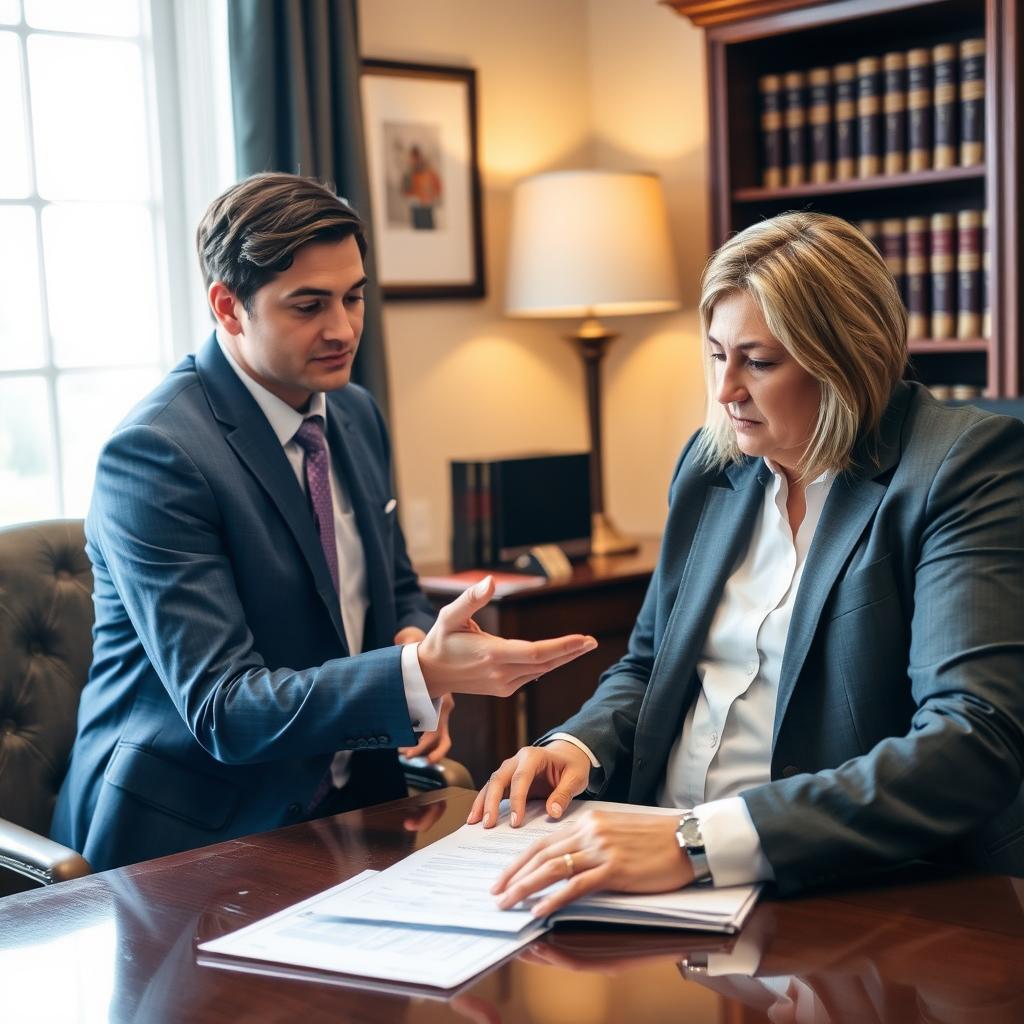
Estate Planning Lawyer Fairfax Virginia
Thoughtful estate planning is one of the most important steps you can take to protect your family and your assets. Whether you need a straightforward will, a trust designed to avoid probate, or guidance on medical directives and powers of attorney, the decisions you make today shape how your wishes are carried out tomorrow. Mr. Sris and the firm’s Of Counsel attorneys bring extensive combined legal experience to estate planning matters in Fairfax, Virginia, working with individuals and families to develop plans that reflect their goals within the framework of Virginia law. From the firm’s Fairfax location, we serve clients throughout Fairfax County and the surrounding region. Reach Law Offices Of SRIS, P.C. at (888) 437-7747 to schedule a consultation. Law Offices Of SRIS, P.C. – Advocacy Without Borders.
What Estate Planning Means in Fairfax, Virginia
Estate planning in Fairfax is governed by Virginia’s probate and trust statutes, principally Title 64.2 of the Virginia Code. Fairfax County has its own Circuit Court—the Fairfax County Circuit Court on Chain Bridge Road—that handles probate administration, will contests, fiduciary appointments, and other matters that can arise after a person passes away. Understanding how this court interacts with the Virginia probate system helps Fairfax residents make informed choices about wills, trusts, and post‑death administration.
Unlike some states, Virginia uses a commissioner of accounts system to supervise the administration of estates. This means that when a will is admitted to probate, or when an intestate estate is opened, the court appoints a commissioner of accounts to review the personal representative’s inventory, accounting, and final report. The commissioner’s oversight is intended to protect beneficiaries and creditors, but it can also add procedural steps that a well‑drafted estate plan can streamline. For example, a funded revocable living trust may reduce the need for commissioner supervision because trust assets are not subject to probate. A Fairfax estate planning lawyer can explain these nuances and help you decide which approach suits your family’s circumstances and the size of your estate.
Fairfax’s demographic profile also shapes estate planning conversations. Many residents own real property, retirement accounts, and business interests, and they may have children from prior marriages or family members with special needs. Virginia law permits a variety of planning tools—testamentary trusts, special‑needs trusts, revocable living trusts, and even transfer‑on‑death deeds for real property—to address those situations. Mr. Sris and his Of Counsel are experienced in drafting documents that uphold your intentions while complying with Virginia’s formal execution requirements for wills and trusts.
How Mr. Sris and His Of Counsel Handle Estate Planning Cases
Every estate plan begins with a detailed conversation. Mr. Sris and the firm’s Of Counsel attorneys ask about your family structure, your assets, your concerns, and your long‑term goals. From there, they design a package of documents—often a will, durable general power of attorney, and advance medical directive—or a more comprehensive trust‑centered plan if probate avoidance or asset protection is a priority. The Fairfax, Virginia location allows the firm to meet with clients in person and appear in Fairfax County Circuit Court when necessary.
Throughout the process, the firm explains the implications of each document. For example, Virginia recognizes “augmented estate” laws that restrict how much of your estate you can leave to non‑spouse beneficiaries if you are married. A well‑prepared plan accounts for those statutory rights. Mr. Sris and his Of Counsel also coordinate beneficiary designations on retirement accounts and life insurance policies, because those assets pass outside the will and can inadvertently undercut your planning goals if not properly aligned.
When a family experiences a death, the firm assists the named personal representative or successor trustee in administering the estate or trust. That work ranges from preparing the probate petition and qualifying before the clerk of the Fairfax County Circuit Court, to handling the inventory, creditor claims, and distribution. By designing the plan on the front end and administering it on the back end, the firm sees how drafting choices actually play out in Fairfax probate practice—experience that informs future planning.
About Mr. Sris and the Firm’s Of Counsel Attorneys
Mr. Sris, Owner and Founder of Law Offices Of SRIS, P.C., has practiced law since 1997. He is admitted in Virginia, Maryland, the District of Columbia, New Jersey, and New York, giving the firm a multi‑state perspective that is useful for clients with assets or family members in multiple jurisdictions. Mr. Sris testified before the Virginia House Courts of Justice Committee in support of 2019 HB 635 (chief patron Del. David Bulova).
The firm’s Of Counsel attorneys bring additional depth to estate planning matters. Together with Mr. Sris, they draw upon extensive combined legal experience to address both the technical drafting requirements and the personal objectives that drive estate planning. The collaborative approach means that multiple attorneys review core documents, helping to catch issues before they become problems. For clients in Fairfax, this means a team‑grounded plan informed by years of Virginia probate and trust experience.
Frequently Asked Questions
Do I need an estate planning lawyer in Fairfax, Virginia?
You are not legally required to hire a lawyer to prepare a will or trust in Virginia, but working with an experienced estate planning lawyer helps ensure your documents comply with Virginia law and accurately reflect your wishes. Virginia has strict execution formalities for wills—such as the requirement that the testator sign in the presence of two competent witnesses—and trust funding errors can defeat probate‑avoidance goals. A Fairfax estate planning lawyer can also advise on the augmented estate rules and the role of the commissioner of accounts, which are not intuitive for non‑lawyers.
How does probate work in Fairfax County?
Probate in Fairfax County is handled by the Fairfax County Circuit Court, which admits the will to record, qualifies the personal representative, and appoints a commissioner of accounts to supervise the administration. The personal representative must file an inventory within four months of qualification and submit periodic accountings reviewed by the commissioner. The timeline varies by case complexity and court scheduling. Mr. Sris and his Of Counsel assist personal representatives through each stage, including creditor notice, asset valuation, and distribution to beneficiaries.
Can a living trust avoid probate in Virginia?
Yes, a properly funded revocable living trust can avoid probate in Virginia, because assets titled in the name of the trust are not part of the probate estate. To achieve that result, you must actually transfer ownership of the assets into the trust—a step often called funding. Real estate must be conveyed by deed to the trustee, and bank and brokerage accounts must be re‑titled. When funding is incomplete, the unfunded assets may still go through probate. A Fairfax estate planning lawyer can guide you through the funding process and help prevent gaps.
What happens if I die without a will in Virginia?
If you die without a will in Virginia, the intestacy laws in Title 64.2 of the Virginia Code determine who inherits your estate. The pattern generally gives a share to your surviving spouse and children, or to other relatives if you have no spouse or children. However, the statutory scheme may not match your personal wishes, and it can create unintended outcomes—especially for blended families. Also, dying intestate means the court will appoint an administrator, who must generally post bond unless waived by all heirs. A will allows you to name your executor and simplify the process.
What estate planning documents do Virginia law recommend?
Most Virginia residents benefit from a core estate plan comprising a will, a durable general power of attorney, and an advance medical directive. The will disposes of probate assets and nominates an executor and guardian for minor children. The durable power of attorney authorizes an agent to handle financial matters if you become incapacitated. The advance medical directive allows you to name a health‑care agent and express your treatment preferences. For larger estates or specific goals, additional instruments—such as revocable living trusts, special‑needs trusts, or transfer‑on‑death deeds—can be integrated.
How do I choose an estate planning lawyer in Fairfax, Virginia?
Look for a lawyer who is experienced in Virginia probate and trust law, understands the Fairfax County court system, and takes time to listen to your specific concerns. You want someone who explains the law plainly and designs a plan that fits your family, not a one‑size‑fits‑all package. Mr. Sris and his Of Counsel are admitted in Virginia and have practiced estate planning in Fairfax for many years. To discuss your planning needs, contact Law Offices Of SRIS, P.C. at (888) 437-7747.
Outbound Primary‑Source Authority Links
For further information, you may consult Virginia’s official legal resources:
- Virginia Code Title 64.2 – Wills, Trusts, and Fiduciaries
- Fairfax County Circuit Court
- Virginia State Corporation Commission
Attorney advertising. Prior results do not guarantee a similar outcome. Attorney responsible for this advertising: Mr. Sris. (This page does not reference New‑York‑specific outcomes; the New York disclaimer is not required for a Virginia‑focused page.) Results may vary.
Case results depend on a variety of factors unique to each case.