
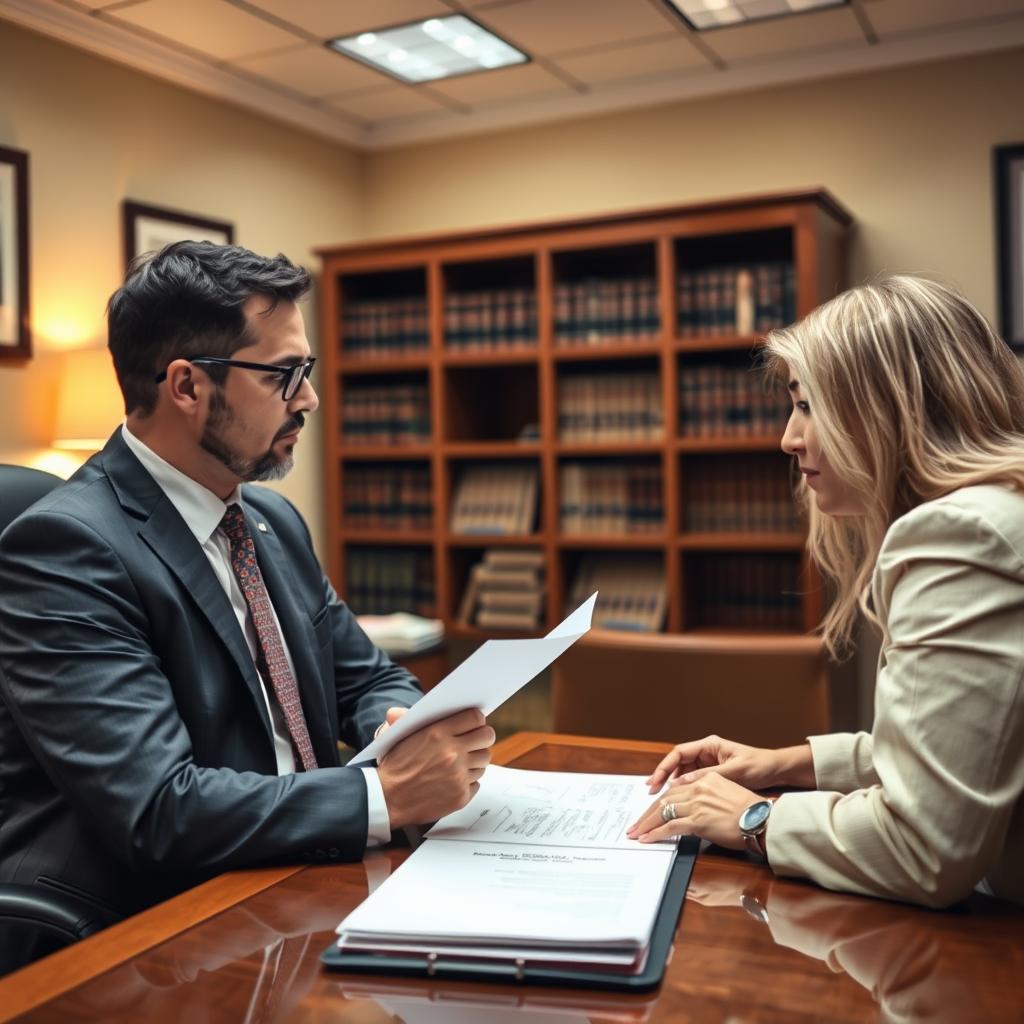
Transportation for Illegal Sexual Activity lawyer Powhatan County, VA
When a federal investigation or indictment involves allegations of transporting an individual across state lines for prohibited sexual conduct, the matter moves to the United States District Court for the Eastern District of Virginia. Residents of Powhatan County facing charges under 18 U.S.C. § 2421 or related provisions need counsel who understands both the substantive federal statutes and the procedural landscape of the Eastern District’s Richmond Division. Mr. Sris and his Of Counsel team at Law Offices Of SRIS, P.C. represent individuals in federal criminal proceedings throughout the Commonwealth, including matters that originate with a grand jury in Richmond. The government’s charging documents can allege transportation across state lines or use of a facility of interstate commerce, and the exposure at sentencing is shaped by the Federal Sentencing Guidelines. Because there is no parole in the federal system, the stakes require a defense built on a careful review of the facts and the government’s evidence. To request a consultation about a pending or potential federal case, reach Law Offices Of SRIS, P.C. at (888) 437-7747. Law Offices Of SRIS, P.C. – Advocacy Without Borders.
What Federal Transportation for Illegal Sexual Activity Means in Powhatan County
Powhatan County lies within the Richmond Division of the U.S. District Court for the Eastern District of Virginia. Federal criminal proceedings are not filed in the Powhatan County General District Court; they are initiated by the U.S. Attorney’s Office in the federal courthouse located at 701 East Broad Street in Richmond. A person charged with a federal offense will appear for an initial appearance before a magistrate judge, where pretrial release conditions are determined. Because federal charges of this nature often involve allegations of conduct spanning multiple jurisdictions, the indictment may connect actions in Powhatan County with events elsewhere, establishing the interstate nexus required under the Mann Act and its successor provisions. The government bears the burden of proving that the defendant knowingly transported a person, or caused a person to be transported, with the intent that the person engage in illegal sexual activity.
The geography of Powhatan County—west of Richmond, served by Route 522 and Route 60—does not insulate a resident from federal scrutiny. Federal investigations are conducted by agencies such as the FBI, which operates a Richmond field office and frequently works with state and local law enforcement. When a case is indicted, the defendant must navigate a process that includes detention hearings, discovery, and motion practice under the Federal Rules of Criminal Procedure. The federal criminal docket moves at a different pace than state court; the Speedy Trial Act sets presumptive timelines, but excludable delays often extend the pretrial phase. For a person unfamiliar with the federal system, the first appearance at the United States courthouse in Richmond can be disorienting. Mr. Sris and his Of Counsel bring extensive combined legal experience to these proceedings. Results may vary. in any matter.
How Mr. Sris and His Of Counsel Handle Federal Criminal Cases
Defending a federal transportation charge begins with an immediate effort to secure pretrial release under conditions that the magistrate judge finds appropriate. The government frequently moves for detention in cases where it perceives a flight risk or a danger to the community. Mr. Sris and his Of Counsel work to present a release plan supported by information about the accused’s ties to Powhatan County, employment history, and family connections. From there, the defense team conducts a detailed review of the indictment and the underlying investigative file. Federal agents often rely on electronic evidence—cell-site location information, messaging records, and financial transactions—and the government’s discovery obligations under Rule 16 and the Jencks Act structure the defense’s access to that material. Identifying a legal or factual gap in the interstate-commerce nexus is a critical component of case analysis.
If the case cannot be resolved through a pre-trial disposition, Mr. Sris and his Of Counsel prepare to challenge the government’s evidence at trial and to address sentencing exposure under the advisory guidelines. The U.S. Sentencing Guidelines applicable to offenses under 18 U.S.C. § 2421 consider the specific offense conduct, any use of force, the age of any alleged victim, and the defendant’s criminal history. Post-Booker, the court retains significant discretion at sentencing, and a well-prepared allocation and sentencing memorandum can influence the outcome. Throughout the process, Mr. Sris and his Of Counsel ensure that the client understands each procedural step—arraignment, motion cutoff, trial setting, and, if necessary, the sentencing hearing—so that no decision is made without informed consent.
About Mr. Sris and His Of Counsel Team
Mr. Sris, Owner and Founder of Law Offices Of SRIS, P.C., has been practicing since 1997 and is admitted in Virginia, Maryland, the District of Columbia, New Jersey, and New York. A former prosecutor, he brings a firsthand understanding of how the government assembles a federal criminal case. Mr. Sris testified before the Virginia House Courts of Justice Committee in support of 2019 HB 635 (chief patron Del. David Bulova). His work today concentrates on complex criminal defense matters, including federal prosecutions in the Eastern District of Virginia.
Mr. Sris is supported by Of Counsel attorneys who contribute extensive trial and litigation experience. The Of Counsel team includes practitioners who have handled federal cases in the Richmond Division and who understand the expectations of the magistrates and district judges sitting there. Together, Mr. Sris and his Of Counsel bring extensive combined legal experience to every representation, ensuring that the client’s defense is built on a thorough assessment of the facts and the applicable law. Results may vary.
Frequently Asked Questions
What does the government have to prove in a federal transportation for illegal sexual activity case?
The government must prove that the defendant knowingly transported an individual across a state line, or caused such transportation, with the intent that the individual engage in illegal sexual activity. The interstate-commerce element is essential; the charge cannot rest solely on conduct that occurred entirely within Virginia. The government often relies on travel records, electronic communications, and witness testimony. An experienced defense attorney scrutinizes whether the evidence establishes the required intent and whether any statutory defenses apply.
Will a federal case originating in Powhatan County be handled in the Richmond federal courthouse?
Yes, because Powhatan County lies within the Richmond Division of the Eastern District of Virginia, most proceedings will occur at the federal courthouse at 701 East Broad Street in Richmond. The initial appearance, detention hearing, arraignment, and trial all take place there. The assigned magistrate and district judges are based in Richmond. Understanding the local practices of that division is important for pretrial motions and scheduling.
What are the potential consequences of a conviction for a federal sex-related transportation offense?
Federal statutes can impose significant prison terms, fines, and supervised release, and some convictions trigger mandatory sex-offender registration. The actual sentence is driven by the advisory guidelines and the factors set out in 18 U.S.C. § 3553(a). Because there is no parole in the federal system, a defendant serves a substantial portion of any imposed custodial sentence. A thorough review of the offense-specific guidelines chapter is a necessary part of defense preparation.
How does an attorney begin building a defense for a federal transportation charge?
Defense preparation starts with an immediate review of the charging document and a preservation demand to the government, followed by a detailed investigation of the government’s evidence. Mr. Sris and his Of Counsel look at whether the interstate element is adequately pleaded, whether any statements of the accused were obtained in compliance with Miranda and the Sixth Amendment, and whether the electronic evidence was lawfully gathered. Early engagement can sometimes lead to a resolution short of trial.
Do I need a lawyer if I am under investigation but not yet charged with a federal crime?
Yes, retaining counsel at the investigation stage can protect your rights before a formal charge is filed. Federal investigations move deliberately, and statements made to agents before charges are filed can later become evidence. An attorney can communicate with the investigating agency on your behalf, help you understand what information the government may already have, and work to avoid an indictment if possible.
Additional Resources and Related Pages
For more information about federal criminal defense in other Virginia communities, visit our pages for Fairfax County federal defense, Fairfax City federal cases, Falls Church federal charges, Prince William County representation, and Manassas federal matters.
For authoritative legal references, consult the Virginia Judicial System and the Virginia Code.
Reviewed by Mr. Sris, Owner and Founder. Admitted in Virginia, Maryland, District of Columbia, New Jersey, and New York. Practicing since 1997.
Attorney advertising. Prior results do not guarantee a similar outcome. Results may vary.
Case results depend on a variety of factors unique to each case.