
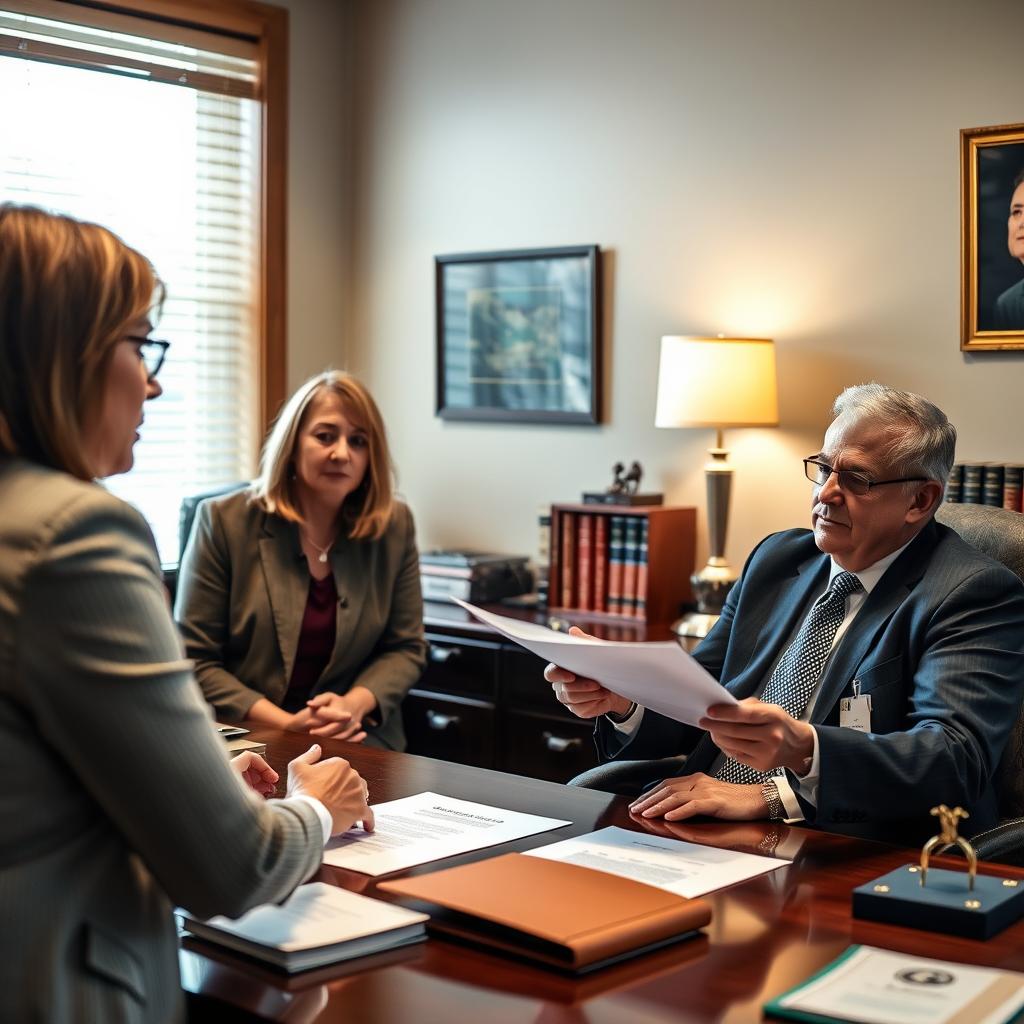
Theft of Government Property Lawyer in Rockingham County, VA — Federal Defense
Theft of government property in Rockingham County is a serious federal offense under 18 U.S.C. § 641, prosecuted by the U.S. Attorney’s Office for the Western District of Virginia. Conviction can result in up to 10 years in federal prison and substantial fines. Law Offices Of SRIS, P.C. provides a strong defense for individuals facing these charges.
Last verified: April 2026 | U.S. District Court for the Western District of Virginia | Virginia General Assembly
Federal Statute for Theft of Government Property
The primary federal law governing the theft of government property is 18 U.S.C. § 641. This statute makes it a crime to knowingly embezzle, steal, purloin, or knowingly convert to one’s own use or the use of another, any record, voucher, money, or thing of value of the United States or any department or agency thereof. The law also covers receiving, concealing, or retaining such property with intent to convert it. The value of the property is a key factor in determining the severity of the penalty. Cases are investigated by federal agencies like the FBI, Department of Defense, or GSA OIG and prosecuted in federal court.
Official Legal Resources
For the official text of the federal statute, see 18 U.S.C. § 641 (Cornell Legal Information Institute). For local federal court procedures, visit the U.S. District Court for the Western District of Virginia website.
Defending Against Federal Theft Charges in Rockingham County
Federal theft cases in the Western District of Virginia, which includes Rockingham County, follow a strict procedural path from grand jury indictment to sentencing under the U.S. Sentencing Guidelines. A government asset theft lawyer in Rockingham County must handle complex discovery, challenge the prosecution’s evidence of intent and knowledge, and often negotiate with Assistant U.S. Attorneys. The defense may involve arguing a lack of criminal intent, mistaken identity, or that the property did not meet the statutory definition of government property.
- Initial Appearance & Arraignment: You will appear before a U.S. Magistrate Judge in Roanoke or Harrisonburg to be formally advised of the charges and enter a plea.
- Discovery & Investigation: Your attorney will review all evidence from the government, including reports from federal investigators, and conduct an independent investigation.
- Pre-Trial Motions: Your lawyer may file motions to suppress evidence, dismiss charges, or challenge the admissibility of certain testimony.
- Plea Negotiations: Most federal cases are resolved through plea agreements. Your attorney will negotiate for the best possible outcome, which may involve reduced charges or a favorable sentencing recommendation.
- Trial or Sentencing: If no plea is reached, the case proceeds to a jury trial. If convicted, or if a plea is entered, sentencing is conducted under the advisory U.S. Sentencing Guidelines.
Potential Penalties for Theft of Government Property
In the federal system, theft of government property under 18 U.S.C. § 641 carries severe penalties, including lengthy prison sentences, fines, and a permanent felony record.
| Offense Level | Property Value | Maximum Incarceration | Maximum Fine |
|---|---|---|---|
| Felony | Over $1,000 | Up to 10 years | $250,000 (individual) |
| Misdemeanor | $1,000 or less | Up to 1 year | $100,000 (individual) |
Results may vary. Prior results do not guarantee a similar outcome.
Additional consequences include mandatory restitution to the government, forfeiture of assets, loss of federal benefits or employment, and a permanent criminal record that affects future employment, housing, and professional licensing.
Why Choose Our Firm for Your Federal Defense
Founded in 1997 by former prosecutor Mr. Sris, Law Offices Of SRIS, P.C. brings over 120 years of combined legal experience to complex federal cases. Our firm-wide record includes 4,739+ case results with a 93%+ favorable outcome rate. We understand the high stakes of federal court and provide a focused, strategic defense for charges like theft of government property. Our approach is built on thorough case preparation and direct advocacy.
Bryan Block, Defense Attorney at Law Offices Of SRIS, P.C. — Licensed in VA. Former Virginia State Trooper (15 years). View Bryan Block’s Profile
Matthew Greene, Senior Defense Attorney at Law Offices Of SRIS, P.C. — Licensed in VA. 30+ years criminal defense. Death penalty certified (formerly). View Matthew Greene’s Profile
Case Results & Client Advocacy
While specific results for theft of government property in Rockingham County are not disclosed, our firm has a documented history of achieving favorable outcomes in complex federal and state theft cases. For example, our team has successfully negotiated reductions of felony theft charges and secured dismissals in cases where intent was successfully challenged. Attorney Kristen Fisher, a former Maryland prosecutor, contributes significant trial experience to our defense team.
Results may vary. Prior results do not guarantee a similar outcome.
Contact Our Rockingham County Federal Defense Lawyers
Our Shenandoah Valley location serves clients in Rockingham County, including Harrisonburg, Bridgewater, and Dayton. We are accessible via I-81 and Route 33. If you need a theft of government property lawyer in Rockingham County near the Rockingham County Courthouse or James Madison University, we are here to help.
Law Offices Of SRIS, P.C. — Shenandoah/Woodstock Location
505 N Main St #103, Woodstock, VA 22664
Toll-Free: (888) 437-7747
By appointment only.
24/7 phone consultations — (888) 437-7747 — meetings by appointment only.
FAQs: Theft of Government Property Defense
What is considered “government property” under federal law?
It depends. Government property includes any money, asset, record, or thing of value belonging to the U.S. government or any of its agencies. This can range from office supplies and equipment to funds, data, and military assets. The key is that the government must have a possessory or ownership interest in the property at the time of the alleged theft.
Can I be charged if I didn’t know the property belonged to the government?
No, generally not. A critical element the prosecution must prove under 18 U.S.C. § 641 is that you acted knowingly. If you genuinely did not know the property was government-owned, it can be a strong defense. However, the government may argue you “should have known” based on the circumstances.
What agencies investigate theft of government property in Virginia?
Several federal agencies can lead investigations, including the Federal Bureau of Investigation (FBI), the Department of Defense Office of Inspector General (DoD OIG), the General Services Administration Office of Inspector General (GSA OIG), or the Department of Veterans Affairs OIG. The specific agency depends on which government department owned the property.
Is a plea bargain possible in a federal theft case?
Yes. The vast majority of federal criminal cases are resolved through plea agreements. A skilled federal property theft defense lawyer can negotiate with the U.S. Attorney’s Office to potentially reduce charges, agree to a favorable sentencing recommendation, or enter into a pretrial diversion program, especially for first-time offenders.
What is the difference between state and federal theft charges?
Federal charges apply when the stolen property belongs to the U.S. government or the crime occurs on federal property. Federal procedures, rules of evidence, and sentencing guidelines differ significantly from Virginia state courts. Penalties are often more severe, and there is no parole in the federal system.