
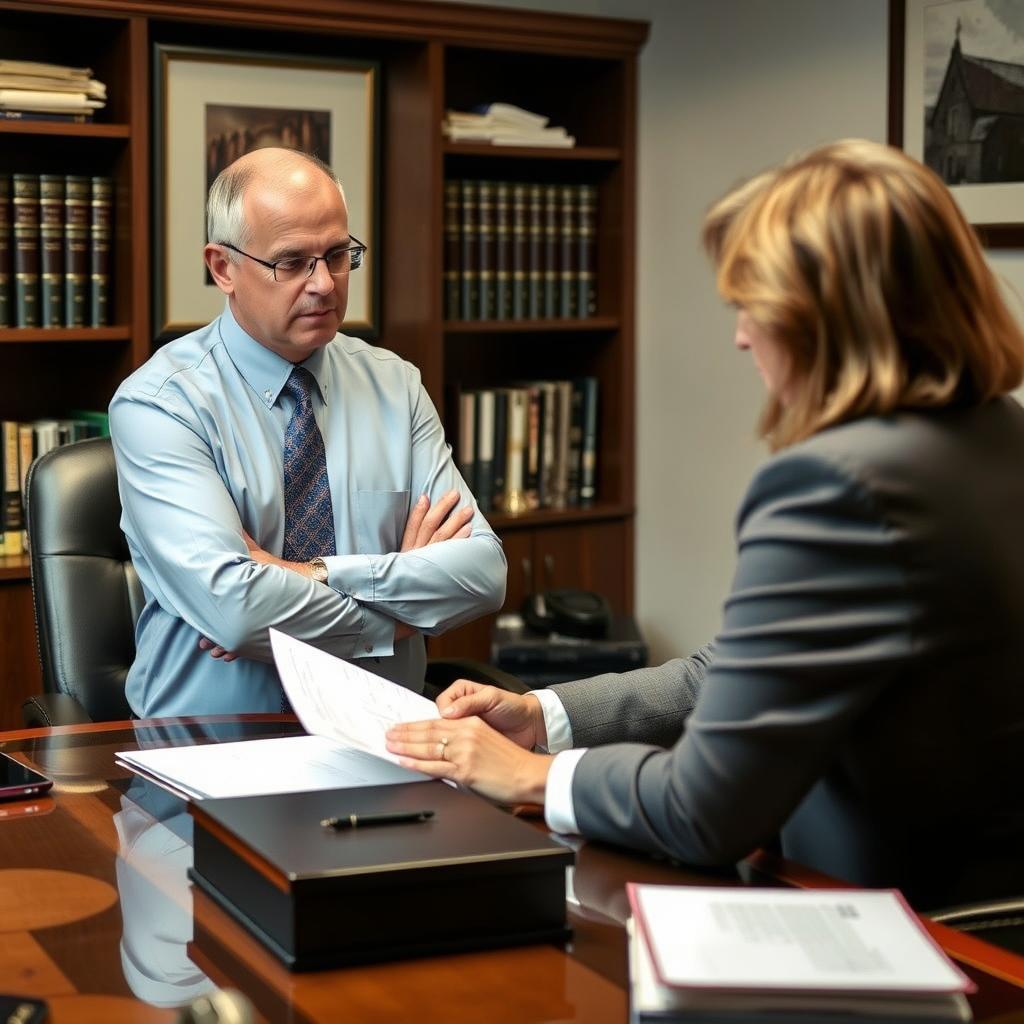
Retaliating Against a Witness lawyer Poquoson, VA
Federal criminal charges involving retaliation against a witness are among the most serious offenses prosecuted in the United States District Court for the Eastern District of Virginia. If you are under investigation or facing an indictment for witness retaliation in Poquoson, Virginia, you need defense counsel who understands the federal system and the local judicial landscape. Law Offices Of SRIS, P.C. is a multi-state law firm with a practice concentration in federal criminal defense. Mr. Sris, Owner and Founder, is a former prosecutor who has practiced since 1997, and he and his Of Counsel team represent individuals charged with federal obstruction, witness tampering, and retaliation offenses in the Eastern District. A conviction under 18 U.S.C. §§ 1503–1520 can carry decades of imprisonment and life-altering collateral consequences. Mr. Sris and his Of Counsel work to develop a thorough defense strategy that addresses the government’s evidence, procedural compliance, and sentencing exposure. For a consultation about a federal retaliating-against-a-witness matter in Poquoson or elsewhere in the Eastern District of Virginia, reach the firm at (888) 437-7747. Law Offices Of SRIS, P.C. – Advocacy Without Borders.
What Federal Retaliating Against a Witness Means in Poquoson, Virginia
Poquoson, an independent city on the Chesapeake Bay east of Newport News, lies within the jurisdiction of the U.S. District Court for the Eastern District of Virginia. Federal witness-retaliation cases originating in Poquoson are prosecuted by the United States Attorney’s Office for the Eastern District, often in the Newport News or Norfolk divisions. Because the alleged conduct typically involves threats, intimidation, or actual harm directed toward a witness, victim, or informant in a federal proceeding, the government treats these cases as direct attacks on the integrity of the federal justice system. That institutional interest means that prosecutors typically pursue vigorous enforcement, and judges apply the United States Sentencing Guidelines with particular attention to obstruction‑of‑justice enhancements.
The Eastern District of Virginia is known for its fast-moving “rocket docket,” which accelerates the pace of federal criminal litigation. From the initial appearance before a federal magistrate judge through pretrial detention hearings, discovery, and trial, the timeline compresses in ways unfamiliar to those who have dealt only with state courts. Mr. Sris and his Of Counsel are experienced with the procedural expectations of the district and the specific practices of the United States Attorney’s Office. They prepare each case with the understanding that federal prosecutors in Virginia are backed by substantial investigative resources from agencies such as the FBI and that early, informed defense strategy can be critical.
How Mr. Sris and His Of Counsel Handle Retaliating Against a Witness Cases
Defending a federal witness-retaliation charge begins with a detailed review of the government’s evidence. Mr. Sris and his Of Counsel examine the grand jury record, the indictment, and any electronic or documentary evidence for potential constitutional challenges—including whether the alleged statement constituted a true threat, whether the defendant acted with the requisite corrupt intent, and whether the government relied on improperly obtained testimony. They also assess whether the underlying proceeding that the witness was involved in qualifies as an official federal proceeding, a necessary element under many obstruction statutes.
Beyond pure legal analysis, effective federal defense requires familiarity with the United States Sentencing Guidelines. Mr. Sris and his Of Counsel calculate the applicable guideline range, identify potential grounds for a downward departure or variance, and, where appropriate, negotiate with the U.S. Attorney’s Office for a resolution that avoids trial while minimizing exposure. Because the federal system has no parole, every month of a sentence is real time, making accurate sentencing analysis a core part of the defense. When trial is the right course, Mr. Sris draws on his prosecutorial background—he appreciates how the government constructs its case—to cross‑examine witnesses and present a coherent defense theory.
About Mr. Sris and His Of Counsel Team
Mr. Sris, Owner and Founder of Law Offices Of SRIS, P.C., has practiced law since 1997. His experience includes time as a prosecutor, which gives him an insider’s understanding of how federal and state cases are built. He is admitted in Virginia, Maryland, the District of Columbia, New Jersey, and New York, and concentrates his practice on complex criminal matters, including federal witness‑retaliation defense. Mr. Sris has testified before the Virginia House Courts of Justice Committee in support of 2019 HB 635 (chief patron Del. David Bulova). He works collaboratively with his Of Counsel team—experienced attorneys who bring additional depth to the firm’s federal criminal practice.
Mr. Sris and his Of Counsel bring extensive combined legal experience to every federal case. Results may vary. The team handles all aspects of federal defense, from pretrial motions and detention hearings to jury trials and sentencing advocacy. Their approach is thorough, detail‑oriented, and grounded in the realities of federal practice in Virginia. For those facing a witness‑retaliation charge in Poquoson or the broader Eastern District, the firm’s Richmond location provides convenient access, with consultations available by appointment.
Frequently Asked Questions
What is the difference between state and federal charges for witness retaliation?
Federal charges are prosecuted by the U.S. Attorney with generally harsher penalties and no parole. In Virginia, state witness‑intimidation laws are prosecuted in General District or Circuit Court, while federal retaliation charges arise from obstruction of a federal proceeding, use of interstate communications, or offenses involving federal officers. Federal sentencing guidelines, mandatory minimums in some statutes, and the absence of parole make federal convictions significantly more severe. An experienced federal defense attorney is critical to navigate these distinctions.
What should I do if I am facing a retaliating‑against‑a‑witness investigation in Virginia?
Contact a federal criminal attorney immediately and do not discuss the case with anyone else. Early legal guidance can help you understand the scope of the investigation and protect your rights during any contact with FBI agents or other law enforcement. Preserve all relevant documents, electronic messages, and any evidence that may support your account. Prompt action is important because federal grand jury proceedings move quickly; a lawyer can evaluate whether cooperation, a proffer, or a challenge to the government’s evidence is appropriate.
How does a Virginia lawyer defend against retaliating‑against‑a‑witness charges?
Defense strategies include challenging the evidence, examining procedural compliance, and contesting the elements of the offense. A federal defense lawyer may argue that the defendant lacked corrupt intent, that the statement did not constitute a true threat, or that the alleged victim was not a witness in an official federal proceeding. Other common defenses involve unlawful searches, violations of Miranda rights, or insufficient proof beyond a reasonable doubt. Attorneys also negotiate with prosecutors to reduce charges or pursue a resolution that avoids the harshest sentencing outcomes.
Do I need a lawyer if I haven’t been arrested but think I’m being investigated?
Yes, hiring a lawyer during the investigative phase can be one of the most important decisions you make. Federal agencies often spend months building a case before seeking an indictment. An attorney can communicate with the U.S. Attorney’s Office on your behalf, potentially persuade prosecutors not to bring charges, or negotiate a self‑surrender that avoids a public arrest. Even if charges are inevitable, early involvement allows your defense team to begin gathering favorable evidence and shaping the narrative before the government solidifies its theory.
What are the penalties for retaliating against a witness under federal law?
Penalties depend on the specific statute charged but can include lengthy federal prison sentences, fines, and supervised release. Under statutes such as 18 U.S.C. § 1513, retaliation against a witness can carry a maximum sentence of up to 20 years, and in cases involving murder, the sentence can be life imprisonment or the death penalty. The United States Sentencing Guidelines consider factors such as the extent of the threat or harm and whether the defendant accepted responsibility. Because the federal system has abolished parole, any prison term imposed will be served almost in full, less good‑time credit.
How does the federal court process work in the Eastern District of Virginia?
A federal case typically begins with an arrest or grand‑jury indictment, followed by an initial appearance, detention hearing, and arraignment. In the Eastern District’s divisions that cover Poquoson—usually Newport News or Norfolk—federal magistrate judges handle initial proceedings. If the case proceeds to trial, a district judge presides. Discovery is governed by the Federal Rules of Criminal Procedure, and the Speedy Trial Act generally requires trial within 70 days of indictment, though many delays are excludable. Mr. Sris and his Of Counsel are familiar with each stage and work to protect the client’s rights throughout.
Additional Federal Criminal Defense Resources
Fairfax County federal criminal lawyer |
Prince William County federal criminal lawyer |
Manassas federal criminal lawyer |
Fairfax City federal criminal lawyer |
Falls Church federal criminal lawyer
Virginia Primary Legal Resources
Virginia Judicial System •
Virginia Code
Attorney advertising. Prior results do not guarantee a similar outcome.
Case results depend on a variety of factors unique to each case.