
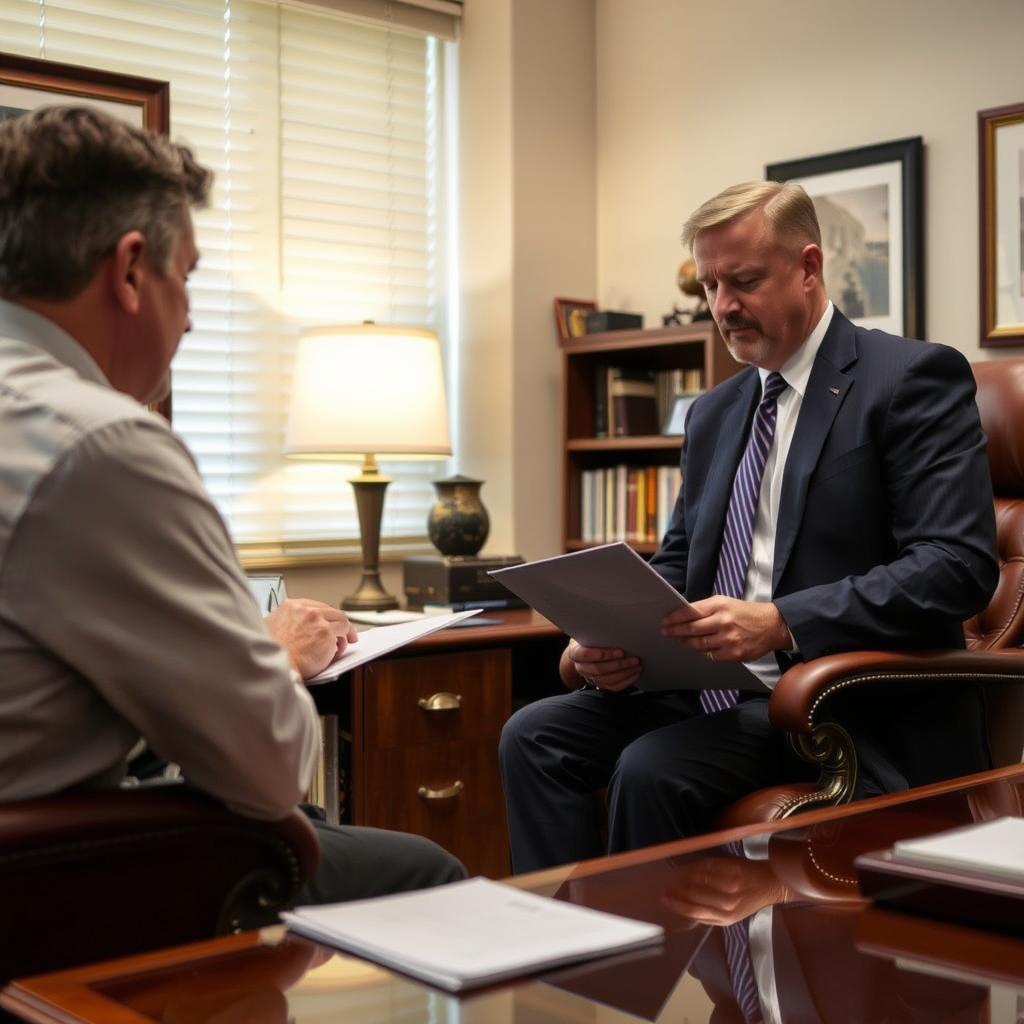
Possession or Use of a Machine Gun lawyer King William County, VA
If you are facing federal charges for the possession or use of a machine gun in King William County, Virginia, the legal landscape is serious and highly technical. Federal law strictly prohibits the possession, transfer, or use of a machine gun under 18 U.S.C. § 922(o), and when such a weapon is used or carried in connection with a crime of violence or drug trafficking, enhanced mandatory minimum penalties apply under 18 U.S.C. § 924(c). These charges are prosecuted by the U.S. Attorney’s Office in the Eastern District of Virginia, Richmond Division, which hears cases arising in King William County. Law Offices Of SRIS, P.C. represents clients facing federal firearms charges, including machine gun allegations, and is prepared to build a defense tailored to the specific facts of your case. Reach our firm at (888) 437-7747 to request a consultation. Law Offices Of SRIS, P.C. – Advocacy Without Borders.
Understanding Federal Machine Gun Charges in King William County, VA
A federal machine gun charge is not an ordinary firearms offense—it carries some of the most severe consequences in the criminal code. Under the National Firearms Act, any fully automatic weapon, or any part designed to convert a firearm to fully automatic, is classified as a machine gun. The government must prove beyond a reasonable doubt that the defendant knowingly possessed or transferred such a device, or that it was used during and in relation to a qualifying crime. Cases in King William County are brought in the U.S. District Court for the Eastern District of Virginia, Richmond Division, as federal jurisdiction covers the entire Commonwealth. Investigations often involve the Bureau of Alcohol, Tobacco, Firearms and Explosives (ATF), and evidence may include forensic testing, witness testimony, and intercepted communications. Experience with federal procedure and an understanding of how the Eastern District of Virginia handles firearms cases is essential for building a strong defense.
Mr. Sris and his Of Counsel have experience in federal criminal defense and are familiar with the procedures before the Eastern District of Virginia. The firm works to examine the government’s evidence, challenge prosecutorial overreach, and present a thorough defense at every stage—from the initial investigation through trial. Because district court procedures differ from state court, early engagement with an attorney who practices in federal court can materially affect the direction of your case.
Frequently Asked Questions
What is the difference between state and federal machine gun charges?
Federal machine gun charges are prosecuted by the U.S. Attorney and carry generally harsher penalties than state firearm offenses. Federal law prohibits machine guns under 18 U.S.C. § 922(o), and using one in a crime triggers enhanced mandatory minimums under 18 U.S.C. § 924(c). Unlike state court, there is no parole in the federal system, and the sentencing guidelines are more structured. An experienced federal defense attorney is critical when facing these charges in the Eastern District of Virginia.
What should I do if I am under investigation for possession or use of a machine gun in Virginia?
Contact a federal criminal defense attorney immediately. Do not speak to law enforcement agents—including ATF or FBI—without counsel present. Preserve all evidence and documents but do not attempt to dispose of or alter anything. The investigation may be at an early stage, and your attorney can work to ensure your rights are protected. Early legal intervention can be significant in shaping the direction of the case.
How does the federal government define a machine gun?
Under federal law, a machine gun is any weapon that shoots, is designed to shoot, or can be readily restored to shoot automatically more than one shot without manual reloading by a single function of the trigger. The definition also includes any part designed and intended solely and exclusively for converting a weapon into a machine gun. Even a single unregistered conversion part can support a federal charge, and the government must prove the item meets the statutory definition beyond a reasonable doubt.
What are the penalties for possession or use of a machine gun in federal court?
Penalties are severe. Simple possession of an unregistered machine gun can result in a lengthy federal prison sentence. Using or carrying a machine gun during a crime of violence or drug trafficking carries enhanced mandatory minimum penalties under 18 U.S.C. § 924(c). The exact sentence depends on the defendant’s criminal history, the application of the U.S. Sentencing Guidelines, and whether the government files a notice seeking an enhanced sentence. Federal sentences are served without the possibility of parole.
How do federal sentencing guidelines apply to machine gun charges?
U.S. Sentencing Guidelines calculate a recommended sentence using offense characteristics, specific offense conduct, and criminal history. Machine gun possession often triggers base offense levels that are higher than for other firearms. If the weapon was used in connection with another felony, the sentencing range increases substantially. The guidelines are advisory but heavily influential in the Eastern District of Virginia. An experienced federal practitioner can evaluate the applicable guideline range and present arguments for a sentence below the recommended range where the facts support it.
Can I challenge machine gun charges on Second Amendment grounds?
While the Second Amendment is an important constitutional right, federal courts have consistently held that the prohibition on unregistered machine guns does not violate the Second Amendment because machine guns are not typically possessed by law-abiding citizens for lawful purposes. However, a defense may challenge the government’s evidence of your knowing possession, the reliability of forensic testing, or the sufficiency of the evidence. An experienced attorney will evaluate all potential constitutional and procedural defenses applicable to your case.
How does a federal lawyer defend against machine gun charges in the Eastern District of Virginia?
Defense strategies may include challenging the classification of the device as a machine gun under the statutory definition, contesting the chain of custody for evidence, examining the legality of the search that uncovered the weapon, and disputing the government’s proof of knowing possession. Negotiation with the U.S. Attorney’s Office can also lead to pretrial resolution or dismissal of charges where the evidence is weak. An attorney familiar with local practice in the Eastern District of Virginia can develop a defense strategy that accounts for the tendencies of that district’s judges and prosecutors.
What happens if the ATF contacts me about a machine gun?
Do not answer questions or consent to any search without speaking to an attorney. Federal agents from ATF are trained interrogators, and anything you say can be used against you in a federal prosecution. Politely state that you wish to consult with counsel and then contact a federal defense lawyer. Your attorney can communicate with the ATF on your behalf and ensure your rights are protected during the investigation.
Is there a mandatory minimum sentence for machine gun crimes?
Yes, certain machine gun offenses carry mandatory minimum prison sentences under federal law. For example, using or carrying a machine gun during and in relation to a crime of violence or a drug trafficking crime triggers a mandatory minimum under 18 U.S.C. § 924(c). The length of the mandatory minimum depends on the specific offense and whether it is a first or subsequent conviction. Because mandatory minimums remove the judge’s discretion to impose a lower sentence, it is essential to have an attorney who can challenge the government’s evidence and work to avoid a triggering conviction at trial.
Why do I need a federal criminal lawyer for a machine gun case in King William County?
Federal cases differ significantly from state cases. The rules of procedure, discovery, pretrial detention standards, and sentencing guidelines are distinct. The U.S. Attorney’s Office in the Eastern District of Virginia has a high conviction rate, and federal investigators have substantial resources. An attorney with experience in federal court, particularly in the EDVA, can guide you through the process, challenge the prosecution’s case at every stage, and work toward the most favorable outcome possible. Early engagement allows time to develop a comprehensive defense.
What questions should I ask when hiring a federal machine gun lawyer?
Ask about the attorney’s experience in federal court, specifically before the Eastern District of Virginia. Inquire about their familiarity with federal firearm statutes, including 18 U.S.C. § 922(o) and § 924(c), and their track record in pretrial motions, plea negotiations, and trial. Understand how they approach client communication and whether they are willing to go to trial if necessary. Meeting with the attorney before making a decision helps you assess their focus and the resources they can bring to your case.
About Mr. Sris and His Of Counsel Team
Mr. Sris, Owner and Founder of Law Offices Of SRIS, P.C., is a former prosecutor who leads the firm’s federal criminal defense practice. He is joined by Of Counsel attorneys experienced in federal court proceedings. Together, they bring focused experience to machine gun and other federal firearm cases, evaluating each case from the perspective of both former prosecution and seasoned defense counsel. The firm serves clients in King William County and throughout Virginia. To discuss your situation, contact Law Offices Of SRIS, P.C. at (888) 437-7747.
For more information on federal criminal defense in Virginia, see our related pages: Fairfax County Federal Criminal Lawyer, Prince William County Federal Criminal Lawyer, and Falls Church Federal Criminal Lawyer.
Attorney advertising. Prior results do not guarantee a similar outcome. Results may vary.
Case results depend on a variety of factors unique to each case.