
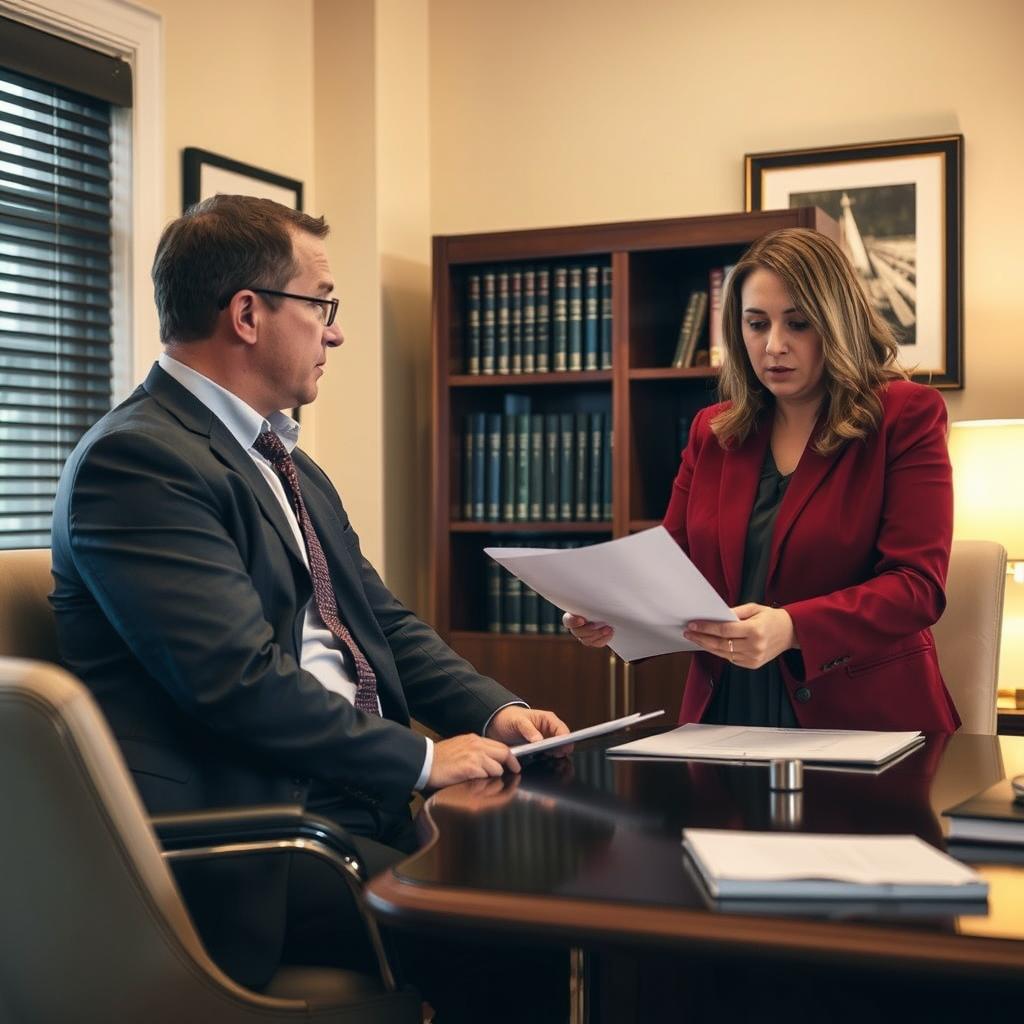
Perjury lawyer Fauquier County, VA
Facing a federal perjury investigation or indictment in Fauquier County demands an attorney who understands the United States District Court for the Eastern District of Virginia and the unique demands of charges under 18 U.S.C. § 1621. Federal perjury charges arise from allegations that a person knowingly made a materially false statement while under oath in a federal proceeding, grand jury, or official matter. The U.S. Attorney’s Office prosecutes these cases vigorously, and a conviction can result in a prison sentence of up to five years per count, along with substantial fines and supervised release. For residents of Warrenton, New Baltimore, Bealeton, Marshall, The Plains, and throughout Fauquier County, having experienced federal defense counsel from the earliest stage is critical. Law Offices Of SRIS, P.C., founded in 1997, represents individuals in federal criminal matters across Virginia. Mr. Sris and his Of Counsel team bring extensive combined legal experience to defending against perjury and related federal charges. Reach our firm at (888) 437‑7747 to request a consultation. Law Offices Of SRIS, P.C. – Advocacy Without Borders.
What Federal Perjury Means in Fauquier County
Federal perjury is a distinct offense from state-level false-statements charges. The government must prove that the accused willfully made a false statement concerning a material matter while under oath in a proceeding before a federal court or grand jury, or in another federal setting where an oath is administered. The materiality element means the statement must have had the potential to influence the decision-making body—it does not need to have actually changed the outcome. The FBI or other federal agencies often investigate perjury allegations, and the U.S. Attorney’s Office for the Eastern District of Virginia handles prosecution. Fauquier County falls within the Alexandria and Richmond Divisions of the Eastern District, and matters may proceed in either courthouse depending on the venue.
Because federal perjury investigations frequently stem from parallel proceedings—such as grand jury testimony, bankruptcy hearings, or federal civil litigation—defendants may not realize they are at risk until an indictment is returned. The federal sentencing guidelines treat perjury as a serious obstruction-of-justice offense, and advisory ranges can call for incarceration. Even the potential of a perjury conviction can affect professional licenses, security clearances, and immigration status. Early engagement with counsel who practices in federal court can help preserve legal options and protect a person’s rights during questioning, investigatory interviews, and any subsequent court appearances.
How Mr. Sris and His Of Counsel Handle Federal Perjury Cases
Mr. Sris and his Of Counsel approach federal perjury defense by first examining the specific testimony or written statement at issue. They analyze whether the statement was literally false or merely ambiguous, whether it concerned a material matter, and whether the government can demonstrate the requisite criminal intent. The team reviews grand jury transcripts, investigative reports, and any procedural history to identify potential defenses—for example, recantation under the statutory safe-harbor provision, lack of materiality, or a violation of the attorney-client privilege during the investigation.
The defense process in federal court includes pretrial motions that can narrow or dismiss charges, careful evaluation of plea negotiations when the evidence warrants, and thorough trial preparation when resolution is not available. Throughout the case, Mr. Sris and his Of Counsel work to protect the client’s Fifth Amendment right against self-incrimination and challenge any unconstitutional searches or compelled statements. Because federal perjury charges often involve complex documentary evidence and testimony from multiple witnesses, the team devotes substantial time to reviewing the record and preparing for every stage of the proceeding.
About Mr. Sris and His Of Counsel Team
Mr. Sris, Owner and Founder of Law Offices Of SRIS, P.C., is a former prosecutor who has practiced in Virginia, Maryland, the District of Columbia, New Jersey, and New York since 1997. His background in criminal prosecution offers valuable insight into how the U.S. Attorney’s Office builds a perjury case. Mr. Sris testified before the Virginia House Courts of Justice Committee in support of 2019 HB 635 (chief patron Del. David Bulova). He is supported by a dedicated Of Counsel team, whose members include attorneys experienced in federal criminal matters. Mr. Sris and his Of Counsel bring extensive combined legal experience to federal defense matters. Results may vary.
Clients in Fauquier County meet with the firm by appointment at the Fairfax location, located at 4008 Williamsburg Court, Fairfax, VA 22032. The firm’s multi-state practice enables it to serve individuals who may face related federal issues in other jurisdictions. Mr. Sris and his team are committed to crafting a defense strategy tailored to the facts of each case, whether the matter involves a standalone perjury charge or a complex obstruction-of-justice investigation.
Frequently Asked Questions
What is federal perjury and how is it prosecuted in Fauquier County?
Federal perjury, charged under 18 U.S.C. § 1621, is the crime of willfully making a materially false statement under oath in a federal proceeding. The U.S. Attorney’s Office for the Eastern District of Virginia prosecutes these cases, and venue may lie in Alexandria or Richmond. The government must prove the statement was false, material, and made with knowledge of its falsity. FBI agents or other federal investigators often interview witnesses before charges are filed. A conviction carries a maximum of five years in prison per count, and the Federal Sentencing Guidelines provide a points-based calculation that influences the actual sentence. Because federal perjury is an obstruction-related offense, it can have immigration and professional-licensing consequences even before trial.
How can a lawyer defend against federal perjury charges?
Defending a federal perjury charge usually involves challenging the materiality of the statement, demonstrating a lack of criminal intent, or showing that the statement was literally true or ambiguous. An experienced attorney will examine the exact wording of the testimony, the context of the proceeding, and the evidence the government relies on. If the statement was corrected before it became apparent that the falsity was about to be exposed, a statutory recantation defense may apply. Other defense avenues include suppressing statements obtained in violation of Miranda or the Fifth Amendment, challenging the sufficiency of the indictment, and negotiating with the prosecution for a resolution that avoids trial. Mr. Sris and his Of Counsel evaluate the specific facts under federal law to build the strong $1.
What should I do if I am under investigation for perjury in Fauquier County?
If you suspect you are under federal investigation for perjury, you should contact a federal defense attorney immediately and refrain from speaking with investigators without counsel. Statements made to agents can become the basis for additional charges or be used to impeach credibility later. Preserve any relevant documents, emails, or recordings, and do not destroy evidence. Because federal perjury inquiries often arise out of ongoing federal matters, you may already be on the government’s radar. An attorney can communicate with the U.S. Attorney’s Office on your behalf and seek to prevent an indictment. Early legal intervention is particularly important when the investigation involves testimony before a grand jury or in a civil deposition.
Does the materiality requirement affect a perjury case?
Materiality is a core element the government must prove beyond a reasonable doubt; the false statement must have been capable of influencing the tribunal or proceeding under the circumstances. If the statement could not have affected the outcome—for instance, because it concerned a peripheral or irrelevant fact—it may not support a perjury conviction. Defense counsel often identifies immaterial statements that were exaggerated or misremembered but had no bearing on the decision-making process. The materiality analysis is fact-intensive and can lead to dismissal of charges or acquittal. A thorough review of the record is essential to assessing whether a materiality challenge is viable.
Can a perjury charge be dismissed or reduced?
Yes, a federal perjury charge can be dismissed on pretrial motion or reduced through negotiation, depending on the evidence. Procedural defects in the indictment, Brady violations, or successful suppression motions can lead to dismissal. When the government’s proof of materiality or intent is weak, prosecutors may offer a plea to a lesser charge, such as false statements under 18 U.S.C. § 1001, which can carry different sentencing consequences. Every case is fact-specific, and resolution depends on the government’s willingness to negotiate. Mr. Sris and his Of Counsel work to identify leverage points early in the proceeding to pursue the trusted … Outcome for the client.
How do the Federal Sentencing Guidelines apply to perjury?
Under the Federal Sentencing Guidelines, perjury is treated as an obstruction-of-justice offense under USSG § 2J1.3, with a base offense level that increases if the perjury substantially interfered with the administration of justice. The actual sentence is determined by the offense level and criminal history category on the sentencing table. Enhancements may apply if the perjury was committed in connection with another serious crime or involved a threat of physical injury. Conversely, acceptance of responsibility and timely cooperation can reduce the offense level. While the guidelines are advisory after United States v. Booker, judges in the Eastern District of Virginia give them significant weight. A defendant’s chances of a below-guideline sentence often depend on the quality of the sentencing presentation and mitigation evidence advanced by counsel.
For guidance on your specific situation, reach Law Offices Of SRIS, P.C. at (888) 437‑7747.
Related Federal Criminal Defense Pages:
Fairfax County Federal Criminal Lawyer
Prince William County Federal Criminal Lawyer
Stafford County Federal Criminal Lawyer
Loudoun County Federal Criminal Lawyer
Arlington County Federal Criminal Lawyer
Primary Legal Resources:
18 U.S.C. § 1621 – Perjury (Cornell LII)
U.S. District Court for the Eastern District of Virginia
Attorney advertising. Prior results do not guarantee a similar outcome. Results may vary.
Case results depend on a variety of factors unique to each case.