
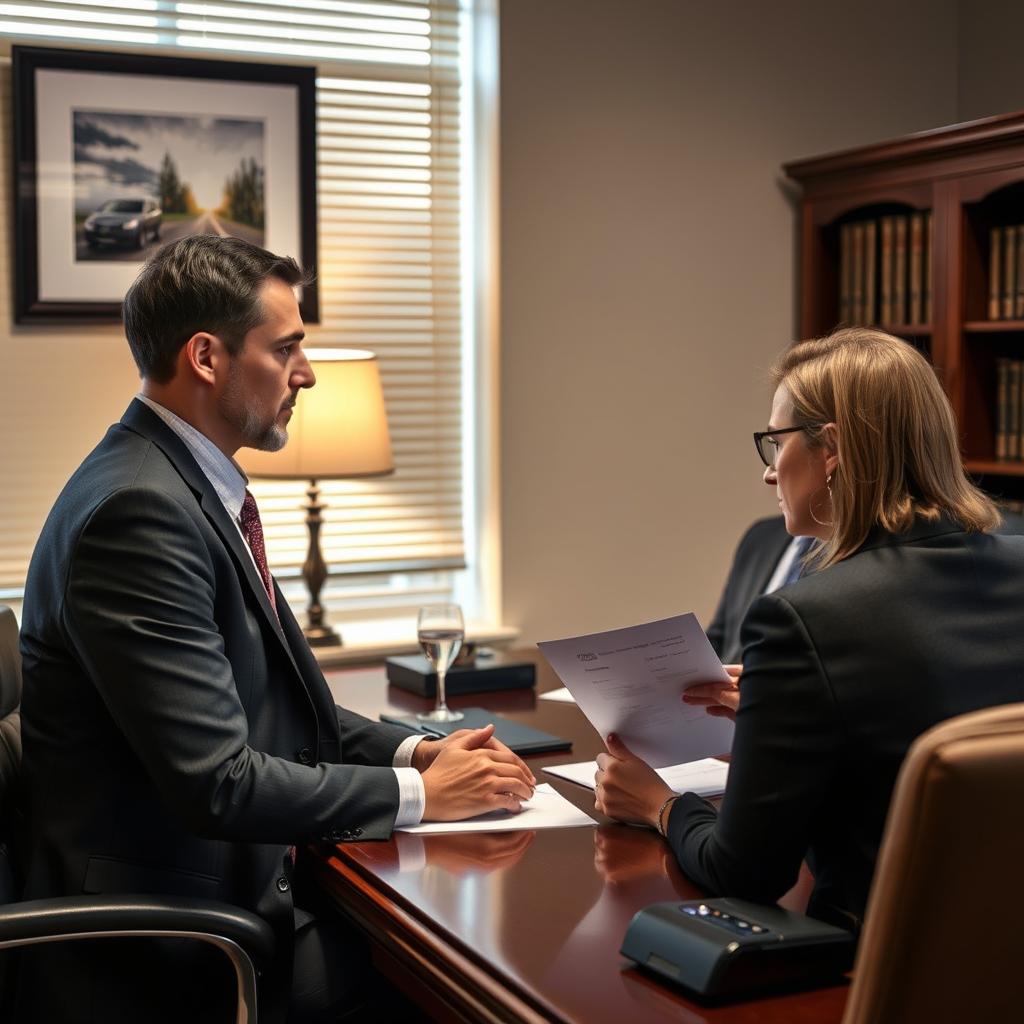
Operating a Drug-Involved Premises lawyer Virginia, VA
You’ve been arrested or are under investigation for allowing drug activity on property you own or control. Federal agents from the DEA, FBI, or ATF may have executed a search warrant at your home, rental property, business, or venue. The U.S. Attorney’s Office is now building a case under 21 U.S.C. § 841, charging you with operating a drug‑involved premises. If convicted, you face mandatory minimum federal prison time, asset forfeiture, and no possibility of parole. At Law Offices Of SRIS, P.C., Mr. Sris and his Of Counsel team concentrate their practice on federal criminal defense. Call (888) 437‑7747 to schedule a consultation. Law Offices Of SRIS, P.C. – Advocacy Without Borders.
What Federal Operating a Drug‑Involved Premises Means in Virginia
Federal prosecutions for operating a drug‑involved premises are brought under the Controlled Substances Act. The government must prove you knowingly maintained, managed, or made available any place—whether a residence, a business, or a vacant structure—for the purpose of manufacturing, distributing, or using controlled substances. Because the charge is federal, it is pursued by the U.S. Attorney’s Office for the Eastern District of Virginia or the Western District of Virginia, depending on where the alleged conduct occurred. Investigators from the DEA, FBI, IRS‑CI, or ATF typically build the case through surveillance, confidential informants, undercover purchases, and search warrants, often long before an arrest or indictment.
Virginia’s two federal districts each operate with their own sentencing norms and procedural expectations. The Eastern District, headquartered in Alexandria and with divisions in Richmond, Norfolk, and Newport News, is known for a particularly active criminal docket. The Western District, sitting in Roanoke, Abingdon, Harrisonburg, and other locations, handles cases from the Appalachian region. Regardless of the district, all federal drug‑premises prosecutions are governed by the Federal Sentencing Guidelines and carry mandatory minimum sentences that depend on the type and quantity of drugs involved. Understanding which district will handle your case—and what that means for pretrial release, plea negotiations, and sentencing exposure—requires counsel who regularly practices in Virginia’s federal courts.
How Mr. Sris and His Of Counsel Handle Federal Premises Cases
Mr. Sris, a former prosecutor and the Owner and Founder of Law Offices Of SRIS, P.C., works with seasoned Of Counsel to mount a defense that focuses on the specific elements the government must prove. They scrutinize whether there is sufficient evidence that you knew the premises were being used for drug activity—a key element that the government often cannot meet. They challenge the reliability of informant testimony, the legality of the search warrant, and the chain of custody for any physical evidence. Where the charges are based largely on circumstantial evidence, they file thorough motions to suppress and motions for discovery, seeking to limit the government’s case before trial.
The team’s approach is collaborative and grounded in experience. Because federal drug‑premises prosecutions frequently involve complex financial records, phone forensic data, and cooperating witnesses, Mr. Sris and his Of Counsel stay deeply involved in each case. They work with independent forensic experts when necessary to examine electronic evidence and financial documents. Throughout the pretrial and trial stages, they maintain communication with the Assistant U.S. Attorney to explore potential resolutions, including pretrial diversion, substantial‑assistance departures under 5K1.1, or safety‑valve relief that can reduce mandatory minimums for qualifying defendants.
What to Expect in a Virginia Federal Court Proceeding
A federal drug‑premises case begins with investigation, often by the DEA or FBI. If agents believe there is probable cause, they obtain a search warrant. You may be arrested at the time of the search or later, after a grand jury indictment. Within days of arrest, you will appear before a federal magistrate for an initial appearance. The magistrate will advise you of the charges and decide on pretrial release, considering flight risk and danger to the community. It is critical to have counsel present at this hearing because the conditions of release—including possible electronic monitoring, home detention, or travel restrictions—can shape your daily life for months.
Following the initial appearance, a detention hearing may be held to argue for your release on bond. The government will argue that you pose a risk, while your attorney will present evidence supporting release. If the case proceeds to indictment, you will be arraigned and enter a plea. Discovery and motions follow, including potential suppression motions and challenges to the indictment. Federal trials proceed under the Federal Rules of Criminal Procedure, and sentencing, if convicted, is governed by the advisory U.S. Sentencing Guidelines. The timeline of a federal case varies widely—from several months for a plea to a year or more for a contested trial.
Counsel appearing on federal criminal matters at the local court in Northern Virginia, VA.
Penalty Overview
A conviction for operating a drug‑involved premises carries severe consequences. Sentencing is controlled by the amount and type of controlled substance involved. Even a first‑offense conviction under 21 U.S.C. § 841 can trigger a mandatory minimum prison term of years, depending on the drug type and quantity. For example, distribution of certain quantities of heroin, cocaine, methamphetamine, or fentanyl may require a decade or more in prison with no parole. The federal system eliminated parole in 1987; good‑time credits reduce the sentence by a limited number of days per year but do not provide early release to community supervision.
In addition to incarceration, the court may impose a substantial fine, forfeiture of any property used in the offense, and a term of supervised release following imprisonment—often three to five years. The conviction itself creates a permanent federal felony record, affecting employment, professional licensing, firearm ownership, and immigration status. A defense attorney experienced in federal sentencing can advocate for a below‑guidelines sentence by presenting mitigating factors and arguing that your role was minor. In certain cases, safety‑valve or substantial‑assistance departures may substantially reduce the penalty. Every case is different; Results may vary.
About Mr. Sris and His Of Counsel Team
Mr. Sris is a former prosecutor who founded Law Offices Of SRIS, P.C. in 1997. He is admitted to practice in Virginia, Maryland, the District of Columbia, New Jersey, and New York. He has testified before the Virginia House Courts of Justice Committee in support of 2019 HB 635 (chief patron Del. David Bulova). Alongside his Of Counsel—non‑employee attorneys engaged through Excella—Mr. Sris brings over 120 years of combined legal experience to criminal defense matters, backed by 4,739+ documented firm-wide results. Results may vary. The team collectively draws on backgrounds in prosecution, law enforcement, and criminal trial work to build defenses in federal drug cases. Each Of Counsel attorney is an independent practitioner with significant litigation experience, and the firm’s collaborative model ensures that multiple legal perspectives inform every strategic decision.
Frequently Asked Questions
What should I do if I am facing operating a drug‑involved premises charges in Virginia?
Contact a federal criminal defense attorney immediately and do not discuss the case with anyone else. Federal investigators often seek statements from property owners, tenants, or employees early in an investigation. Anything you say can be used against you. Preserve documents, lease agreements, and any communications that may help your defense, but do not destroy anything. The earlier an attorney is involved, the more options you have—including negotiating with the prosecutor before an indictment is returned. Law Offices Of SRIS, P.C. can guide you through the process from the moment you become aware of the investigation.
How does a Virginia federal lawyer defend against operating a drug‑involved premises charges?
A defense centers on challenging the government’s proof that you knowingly permitted drug activity, attacking the search warrant, and questioning the credibility of informants. The prosecution must show you knew of the drug activity and intentionally allowed it; if you were unaware or had taken steps to prevent it, those facts are powerful defenses. Additionally, if the search warrant was based on false information or an inadequate affidavit, evidence may be suppressed. Experienced defense counsel will review every aspect of the investigation for constitutional or procedural violations and negotiate to reduce the charges or seek a pretrial resolution.
Can I be sent to prison for allowing drug use on my property?
Yes, a conviction for operating a drug‑involved premises carries mandatory minimum federal prison time in many cases. The sentence depends on the type and quantity of drug, your role, and any prior criminal history. Federal sentences are served without parole, and even a first‑time offender can face a substantial prison term. However, with an active pretrial defense, it may be possible to avoid trial and secure a plea to a lesser charge, or to argue for a downward departure at sentencing. The specifics of your case will determine the exact exposure, so speaking with a federal attorney is critical.
What is the difference between state drug charges and federal charges for operating a drug‑involved premises?
Federal charges are prosecuted by the U.S. Attorney’s Office, not the Commonwealth’s Attorney, and involve federal sentencing guidelines with mandatory minimums. State drug charges are typically handled in Virginia General District or Circuit Court, while federal charges proceed in U.S. District Court. Federal investigations often involve multiple agencies and months of preparation, experienced to more complex cases. Additionally, there is no parole in the federal system, and federal sentences tend to be longer. Because federal rules of procedure and evidence differ from Virginia state rules, it is important to work with an attorney who is admitted to practice in the federal courts.
Do I need a lawyer even if I have not been arrested yet?
Yes, retaining a lawyer before an arrest gives you the trusted chance to influence the course of the investigation. The government may be building a case against you without your knowledge. An attorney can contact investigators on your behalf, attempt to prevent the filing of charges, and begin gathering evidence in your favor. If an arrest is imminent, counsel can arrange for a voluntary surrender, which can affect pretrial release conditions. Early engagement is one of the most effective steps you can take.
How do I request a consultation with your firm about a federal drug‑premises case?
Call (888) 437‑7747 to schedule a consultation with Mr. Sris and his Of Counsel. Our firm handles federal criminal matters across Virginia, including cases in the Eastern and Western Districts. We are available by appointment at our Fairfax Location and serve clients throughout the Commonwealth. During the consultation, we will discuss the facts of your situation and explain your options. All communications are confidential.
Internal resources: Fairfax County federal criminal defense · Fairfax City federal criminal defense · Falls Church federal criminal defense · Prince William County federal criminal defense · Manassas federal criminal defense
Primary source: 21 U.S.C. § 841 · U.S. District Court for the Eastern District of Virginia · U.S. District Court for the Western District of Virginia.
Attorney advertising. Prior results do not guarantee a similar outcome. Case results depend on a variety of factors unique to each case. Results may vary.
Law Offices Of SRIS, P.C. · 4008 Williamsburg Court, Fairfax, VA 22032 · By appointment. Call (888) 437‑7747.