
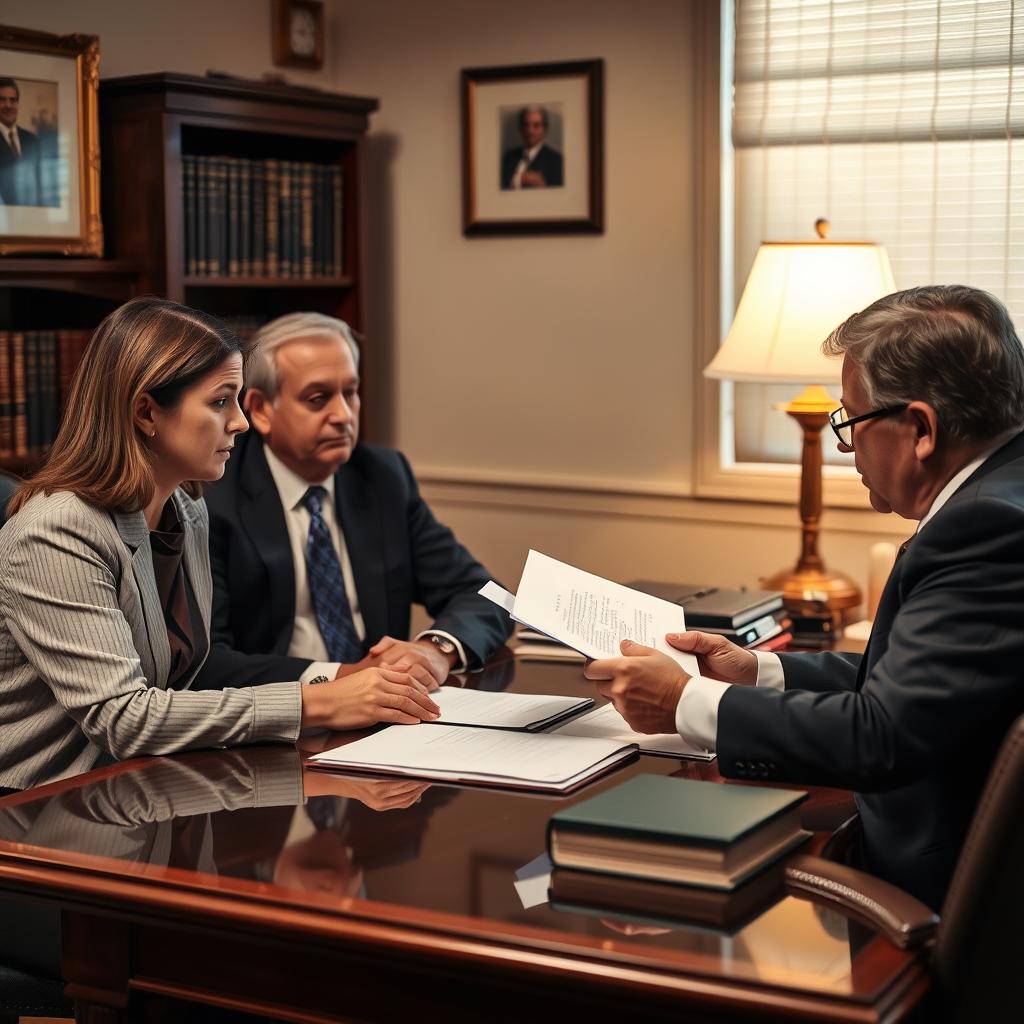
Obstruction of Justice lawyer Roanoke County, VA
Facing a federal obstruction of justice charge in Roanoke County is serious. Federal prosecutors at the U.S. Attorney’s Office for the Western District of Virginia regularly bring obstruction charges under 18 U.S.C. § 1503 or § 1512 against individuals in the Roanoke Valley. A conviction can mean years in federal prison with no possibility of parole. If you have been contacted by the FBI, received a target letter, or learned you are under investigation, you need an experienced federal criminal defense lawyer who understands how obstruction cases are built and how to challenge the government’s evidence. Law Offices Of SRIS, P.C. provides that experience. Mr. Sris, Owner and Founder, is a former prosecutor who has practiced in federal courts since 1997. His Of Counsel team brings additional depth from decades of criminal trial work. Together they represent clients from Salem, Vinton, Cave Spring, Hollins, and throughout Roanoke County at the U.S. District Court in Roanoke. To discuss your situation, reach our firm at (888) 437‑7747. Law Offices Of SRIS, P.C. – Advocacy Without Borders.
What Obstruction of Justice Means in Roanoke County
Federal obstruction of justice is a broad set of crimes that involve interfering with a judicial proceeding, an investigation, or the work of law enforcement. Two of the most commonly charged statutes are 18 U.S.C. § 1503, which covers influencing or intimidating jurors, court officers, or grand jurors, and § 1512, which reaches witness tampering and destruction of evidence. In Roanoke County, these charges typically arise out of investigations conducted by the FBI’s Roanoke Resident Agency or other federal task forces operating in the western part of Virginia. Because the U.S. Courthouse for the Western District of Virginia sits on Franklin Road in Roanoke, residents of Roanoke County who face federal obstruction charges appear there for their initial appearances, detention hearings, and, if a case goes forward, trial.
Federal obstruction cases move differently from state criminal matters. A federal grand jury must indict before the case can proceed to trial, and federal sentencing is governed by the United States Sentencing Guidelines, which often recommend significant prison terms. Under post‑Booker practice, judges retain discretion, but the guidelines remain influential. The Speedy Trial Act imposes tight deadlines — generally indictment within thirty days of arrest and trial within seventy days of indictment, excluding delays attributable to the defense — so a case can advance rapidly. Experienced counsel must act quickly to preserve evidence, challenge the sufficiency of the government’s allegations, and, where appropriate, negotiate with the U.S. Attorney’s Office before an indictment is returned.
How Mr. Sris and His Of Counsel Handle Obstruction of Justice Cases
When a person reaches Law Offices Of SRIS, P.C. about an obstruction investigation or charge in Roanoke County, the first step is a careful review of the government’s theory. Mr. Sris and his Of Counsel examine whether the alleged conduct actually falls within the statutory language; obstruction charges often hinge on whether the defendant acted with a “corrupt” purpose or “knowingly” engaged in proscribed conduct. They then assess the government’s evidence — FBI interview reports, grand jury transcripts, digital records, and witness statements — to identify weaknesses. Mr. Sris’s background as a former prosecutor gives him insight into how federal agents build obstruction cases and where a defense can push back.
The team appears at all stages: initial appearance and detention hearing before a federal magistrate judge, where they argue for pretrial release; arraignment; pretrial motions, often including motions to suppress evidence or to dismiss the indictment; and, if necessary, trial. Because there is no parole in the federal system, every strategic decision — from whether to litigate motions to whether to engage in plea discussions — is made with careful attention to the sentencing consequences. Mr. Sris and his Of Counsel also prepare thoroughly for sentencing, presenting mitigating evidence and arguments to the court under the federal sentencing guidelines. Throughout the process, the client is kept informed so they can make decisions about their case with a clear understanding of the risks and options.
About Mr. Sris and His Of Counsel Team
Mr. Sris, Owner and Founder of Law Offices Of SRIS, P.C., has concentrated his practice on criminal defense since 1997. He is a former prosecutor and is admitted to the bar in Virginia, Maryland, the District of Columbia, New Jersey, and New York. His experience includes testifying before the Virginia House Courts of Justice Committee in support of 2019 HB 635 (chief patron Del. David Bulova), a bill addressing equitable distribution in divorce — a reflection of his broader commitment to the legal process. Over the years he has built a team of Of Counsel attorneys, each with deep trial experience, who work collaboratively on federal matters. Together, Mr. Sris and his Of Counsel bring extensive combined legal experience to obstruction of justice defense. Results may vary.
The firm’s Shenandoah/Woodstock Location represents clients from Roanoke County at the U.S. District Court. Mr. Sris’s Of Counsel team includes former assistant state prosecutors and attorneys with decades of criminal litigation background. Clients benefit from a collective approach: more than one attorney reviews the file, more than one mind prepares the strategy, and the client is never left waiting for a call back. To learn how the team can approach an obstruction matter, call (888) 437‑7747 for a consultation.
Frequently Asked Questions
What is federal obstruction of justice?
Federal obstruction of justice involves interfering with a judicial proceeding, investigation, or law enforcement activity, and is most often charged under 18 U.S.C. § 1503 or § 1512. The omnibus clause of § 1503 makes it a crime to corruptly endeavor to obstruct the due administration of justice, while § 1512 covers witness tampering and destruction of evidence. Federal obstruction is distinct from state-level offenses because it is prosecuted in U.S. District Court, carries generally longer sentences, and offers no parole. Because the statutes are broadly written, even conduct that appears minor — such as asking a witness to forget details — can be charged as a felony.
What should I do if I am investigated for obstruction in Roanoke County?
If you learn you are under investigation for obstruction in Roanoke County, do not discuss the matter with anyone except your attorney, and refuse to speak with law enforcement without counsel present. Contact an experienced federal criminal defense lawyer immediately. Federal agents often approach suspects before an indictment is returned, hoping to obtain a statement that can later be used as evidence. Even casual comments can be misinterpreted. Preserve all documents and electronic communications, but do not alter or delete them — destruction of evidence can itself form the basis of an additional obstruction charge. An attorney can contact the U.S. Attorney’s Office on your behalf and work to influence the charging decision.
Can obstruction of justice charges be brought in Roanoke County?
Yes, obstruction of justice charges are regularly filed in the U.S. District Court for the Western District of Virginia, which holds proceedings at the courthouse on Franklin Road in Roanoke. Roanoke County residents fall within the jurisdiction of the Western District, and federal grand juries in Roanoke routinely hear obstruction allegations. Because the FBI and other federal agencies maintain an active presence in the Roanoke Valley, investigations involving witness tampering, document destruction, or interference with federal processes are not uncommon.
How does a lawyer defend against obstruction charges?
A defense against federal obstruction charges often focuses on whether the government can prove the defendant acted with a corrupt intent or the specific knowledge required by the statute. Misunderstandings, incomplete records, or a lack of awareness that a proceeding was underway can negate the intent element. Defense counsel may also challenge the admissibility of evidence obtained through searches or interviews, argue the indictment is insufficient, or present factual explanations that contradict the government’s narrative. Mr. Sris and his Of Counsel evaluate every angle of the case to identify the most effective defense strategy under the specific facts and the applicable sentencing guidelines.
What are the potential penalties for obstruction of justice?
An obstruction conviction can result in substantial federal prison time — up to ten years under § 1503 and up to twenty years under § 1512 depending on the subsection — along with fines and supervised release. If the obstruction involved the killing of a juror or court officer, the maximum penalty is even higher. Federal sentencing guidelines calculate a recommended range based on the offense level and the defendant’s criminal history, but judges have discretion to vary. Because there is no parole in the federal system, a defendant serves at least eighty-five percent of the sentence imposed. A lawyer can argue for a departure or variance based on mitigating factors and can challenge the government’s calculation of the guideline range.
Do I need a lawyer for an obstruction charge in Roanoke County?
Any person facing an obstruction investigation or charge in Roanoke County should retain an experienced federal criminal defense lawyer as early as possible. Federal cases are complex, the penalties are severe, and the U.S. Attorney’s Office has considerable resources. A lawyer can protect your constitutional rights, guide you through the procedural requirements of the federal court, and negotiate with prosecutors when a pre‑indictment resolution is possible. Without counsel, a person risks making statements or decisions that can harm their defense. To discuss your case, call Law Offices Of SRIS, P.C. at (888) 437‑7747.
Related Federal Criminal Defense Pages:
Fairfax County |
Fairfax City |
Prince William County |
Manassas City |
Falls Church City
Virginia Primary Sources:
Virginia Law Portal |
Virginia’s Judicial System |
U.S. District Court, Western District of Virginia
Attorney advertising. Prior results do not guarantee a similar outcome. Case results depend on a variety of factors unique to each case. Results may vary.