
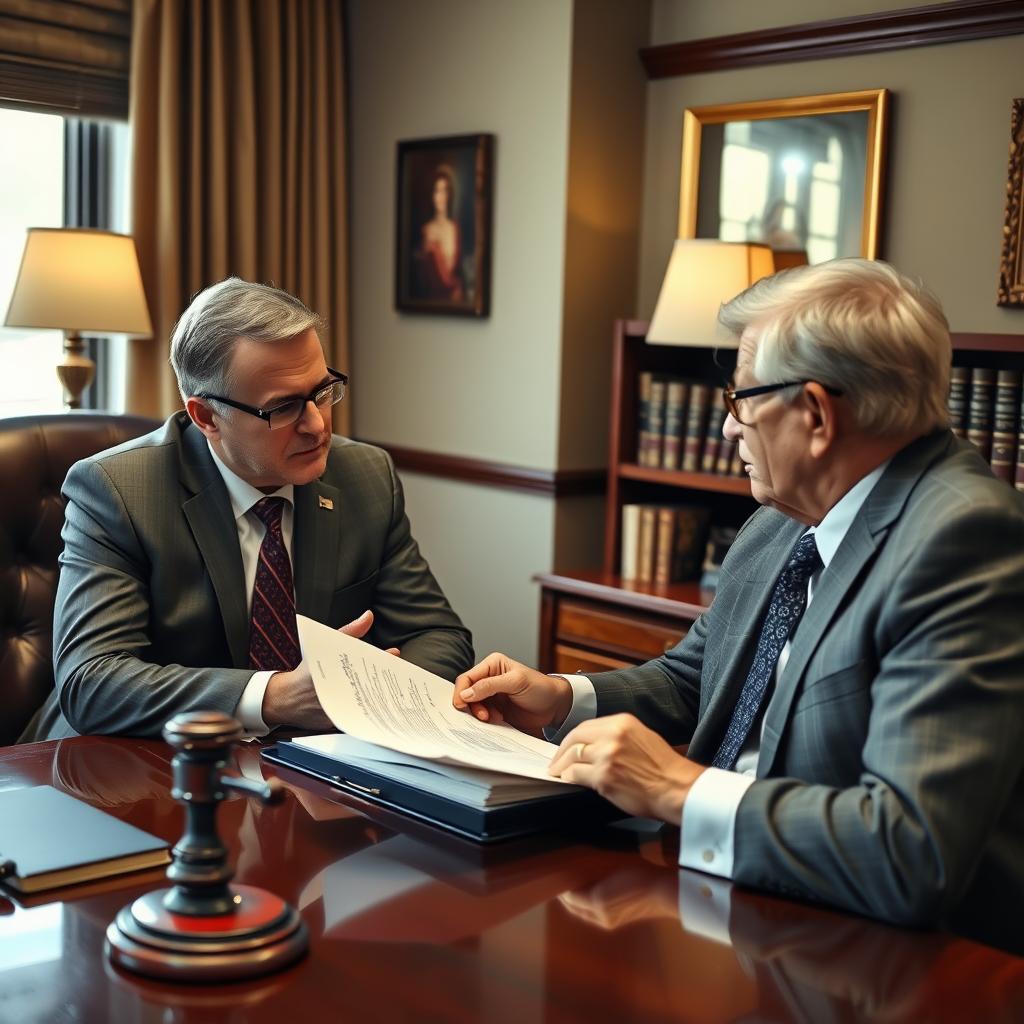
Obstruction of Justice lawyer New Jersey, NJ
Call (888) 437-7747 for a consultation. Law Offices Of SRIS, P.C. – Advocacy Without Borders.
Law Offices Of SRIS, P.C. — Federal Criminal Defense — Mr. Sris, Owner and Founder, Lead Attorney — Licensed in VA, MD, DC, NJ, NY — By appointment — Tinton Falls, NJ
You are a New Jersey professional facing a federal investigation. The FBI has interviewed your colleagues, and a grand jury has been convened in Newark. Suddenly, you receive a target letter from the U.S. Attorney’s Office, alleging you obstructed justice by attempting to influence a witness. Your reputation, your career, and your freedom depend on how you respond. Mr. Sris and his Of Counsel at Law Offices Of SRIS, P.C. represent individuals charged with federal obstruction of justice throughout New Jersey. Call (888) 437-7747.
Defense Strategies for Federal Obstruction Charges
Federal obstruction cases demand a defense plan built around the specific evidence the government has gathered. Mr. Sris and his Of Counsel examine every facet of the prosecution’s theory — whether the communication at issue actually had the capacity to influence a proceeding, whether the defendant acted with corrupt intent, and whether the alleged conduct falls within the scope of the federal obstruction statutes. A thorough defense may challenge the sufficiency of the government’s proof, highlight a lack of nexus to an official proceeding, or demonstrate that the defendant’s actions were taken for lawful purposes. Every strategy is tailored to the facts of the particular case, with the goal of achieving the most favorable resolution possible. Results may vary.
What to Expect When Facing Federal Obstruction Charges in New Jersey
Federal obstruction cases in New Jersey are prosecuted by the U.S. Attorney’s Office in the District of New Jersey, with offices in Newark, Trenton, and Camden. Investigations often involve multiple federal agencies — the FBI, DEA, IRS Criminal Investigation, or Homeland Security Investigations. A federal grand jury will hear evidence and may return an indictment. Following indictment, an initial appearance and detention hearing will be held before a U.S. Magistrate Judge. The discovery process, pretrial motions, and a potential plea or trial follow. The timeline depends on the complexity of the case and the court’s schedule. Mr. Sris and his Of Counsel appear in all divisions of the U.S. District Court for the District of New Jersey.
Penalties for Federal Obstruction of Justice
Federal obstruction charges carry serious consequences. Under 18 U.S.C. § 1503, a person convicted of corruptly obstructing the due administration of justice can face up to 10 years in prison; if the offense involves a killing, the maximum rises to 20 years. 18 U.S.C. § 1512, which covers witness tampering and other obstruction, carries a statutory maximum of up to 20 years. Convictions can also result in substantial fines, terms of supervised release, and the loss of professional licenses. There is no parole in the federal system. Sentencing judges apply the United States Sentencing Guidelines, which are advisory but heavily influence the actual sentence imposed.
About Mr. Sris and His Of Counsel
Mr. Sris, Owner and Founder of Law Offices Of SRIS, P.C., is a former prosecutor who brings decades of federal court experience to every case. He testified before the Virginia House Courts of Justice Committee in support of 2019 HB 635 (chief patron Del. David Bulova). Mr. Sris and his Of Counsel bring extensive combined legal experience to federal criminal defense matters. Results may vary. The firm’s attorneys represent clients in all divisions of the U.S. District Court for the District of New Jersey and have handled a broad range of federal charges, including obstruction, conspiracy, and fraud. Mr. Sris is admitted in Virginia, Maryland, the District of Columbia, New Jersey, and New York.
Frequently Asked Questions
What is federal obstruction of justice?
Federal obstruction of justice is any act that corruptly influences, impedes, or attempts to influence a federal judicial or grand jury proceeding. The two primary statutes are 18 U.S.C. § 1503, which broadly prohibits interfering with the due administration of justice, and 18 U.S.C. § 1512, which specifically targets witness tampering and evidence destruction. Conviction can result in lengthy imprisonment and fines.
What are the specific laws used to prosecute obstruction in New Jersey?
Federal obstruction charges in New Jersey are typically brought under 18 U.S.C. § 1503 (omnibus obstruction) or § 1512 (tampering with a witness, victim, or informant). These statutes are enforced by the U.S. Attorney’s Office for the District of New Jersey and are prosecuted in the U.S. District Court for the District of New Jersey. The exact section charged depends on the nature of the alleged conduct.
How does the government prove intent in an obstruction case?
The government must show that the defendant acted “corruptly” — with a wrongful purpose to obstruct justice. This often involves introducing circumstantial evidence such as the defendant’s statements, the timing of acts in relation to a known investigation, or patterns of conduct that indicate an improper motive. Lack of corrupt intent is a common defense.
Can I be charged with obstruction even if I didn’t testify or lie?
Yes. Obstruction does not require perjury or false testimony. Any conduct that is intended to interfere with a judicial or grand jury proceeding — such as encouraging a witness to avoid service, concealing documents, or making misleading statements to investigators — can support an obstruction charge under 18 U.S.C. § 1503 or § 1512.
What should I do if I am under investigation for obstruction?
If you are under investigation for federal obstruction, do not discuss the matter with anyone except your attorney and preserve all relevant records. Contact an experienced federal criminal defense lawyer before speaking with agents. Statements made to investigators, even if intended to help, can become evidence against you. Early engagement with counsel can affect the course of the investigation.
What are common defenses to federal obstruction charges?
Common defenses include lack of corrupt intent, absence of a connection to an official federal proceeding, lawful purpose of the conduct, and constitutional challenges to the evidence. A thorough defense examines whether the communication at issue could actually influence a proceeding and whether the statute reaches the specific conduct. Each case is fact-specific.
How does a federal obstruction case affect my professional license?
A federal obstruction conviction can trigger disciplinary proceedings by state licensing boards — often experienced to suspension or revocation of professional licenses. Many New Jersey licensing bodies consider a felony conviction as grounds for discipline. Even an investigation can require disclosure and create professional risk. Prompt legal guidance can help navigate these collateral consequences.
Do I need a lawyer for a federal obstruction case?
Yes. Federal obstruction cases are prosecuted by the U.S. Attorney’s Office with federal sentencing guidelines and no possibility of parole. The procedural and evidentiary rules in federal court are distinct from state court. A lawyer can assess the strength of the government’s case, develop a defense strategy, negotiate with prosecutors, and protect your rights throughout the proceedings.
How do federal and state obstruction charges differ?
Federal obstruction charges are prosecuted in U.S. District Court by the U.S. Attorney, while state obstruction charges are handled in state court by a county prosecutor or the state attorney general. Federal penalties are generally more severe, and the federal system does not offer parole. The elements of state obstruction statutes vary, and state procedures differ significantly from federal practice.
How long does a federal obstruction case take in New Jersey?
The timeline for a federal obstruction case in New Jersey depends on the complexity of the investigation, the court’s calendar, and whether the case goes to trial or resolves by plea. Complex wire fraud or RICO-inclusive obstruction cases may take longer than straightforward matters. Mr. Sris and his Of Counsel navigate the process efficiently while protecting their clients’ interests.
What is the difference between obstruction and witness tampering?
Witness tampering is a specific form of obstruction that targets a witness, victim, or informant in an official proceeding. While 18 U.S.C. § 1503 covers a broad range of obstructive conduct, § 1512 focuses on threats, intimidation, corruption, and misleading conduct directed at a witness. Both carry substantial federal penalties.
Why choose Law Offices Of SRIS, P.C. for obstruction defense?
The firm concentrates on federal criminal defense, with Mr. Sris as lead attorney, a former prosecutor with extensive courtroom experience. Mr. Sris and his Of Counsel appear in New Jersey federal courts and handle sensitive investigations throughout the state. The firm’s multi-state admission means it can assist in matters that cross jurisdictional lines. To discuss your case, call (888) 437-7747.
Serving All New Jersey Counties
Mr. Sris and his Of Counsel represent clients in federal obstruction cases throughout New Jersey, including in:
Hunterdon County,
Somerset County,
Morris County,
Bergen County, and
Monmouth County. By appointment only — Tinton Falls, NJ.
Official sources:
18 U.S.C. § 1503,
18 U.S.C. § 1512,
U.S. District Court for the District of New Jersey,
U.S. Attorney’s Office, District of New Jersey.
To schedule a consultation with a federal obstruction of justice lawyer, call (888) 437-7747. By appointment only.
Case results depend on a variety of factors unique to each case.