
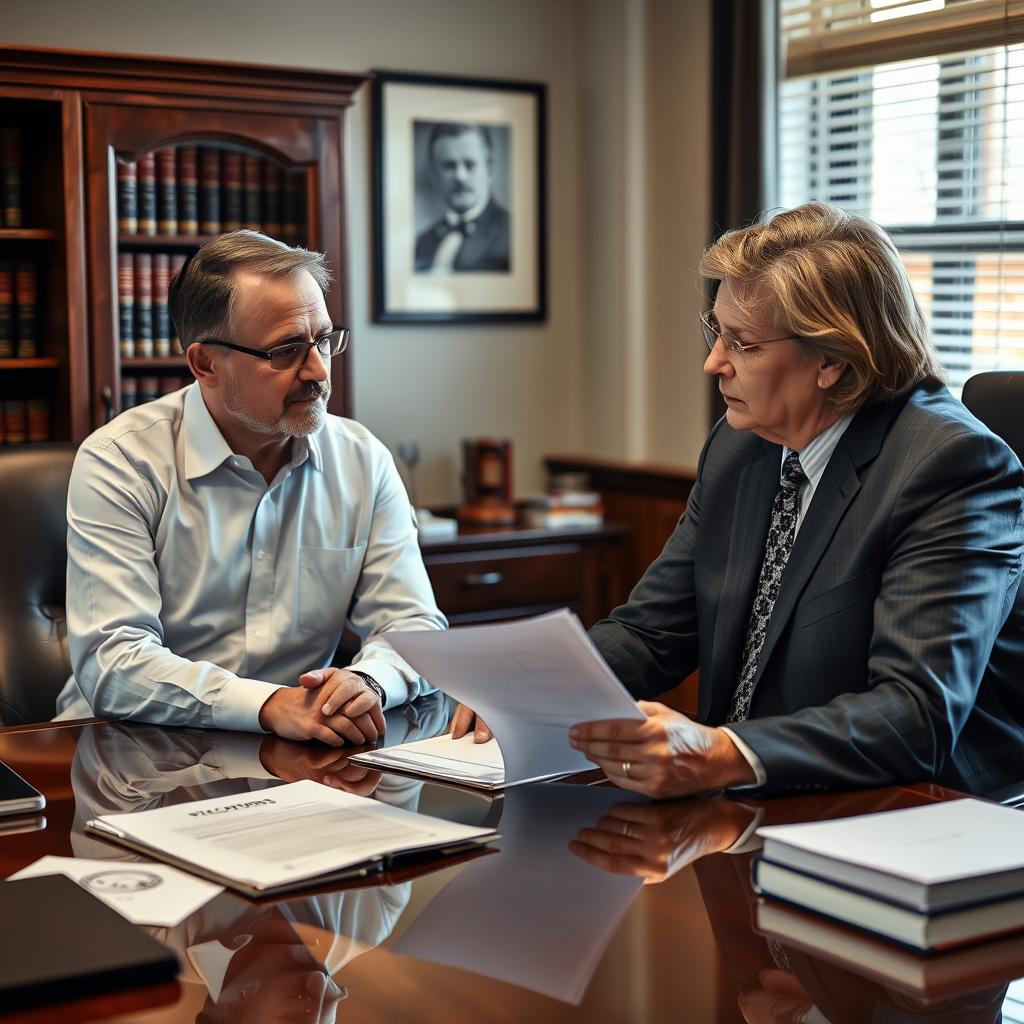
Manufacturing of Controlled Substances lawyer Louisa County, VA
Facing a federal criminal charge for manufacturing a controlled substance in Louisa County, Virginia, brings the full investigative and prosecutorial resources of the United States to bear. The U.S. Attorney’s Office for the Western District of Virginia, often working with the DEA, FBI, or state task forces, brings these cases under 21 U.S.C. § 841. The statute mandates minimum prison sentences based on drug type and quantity—certain amounts of methamphetamine, fentanyl, or heroin can trigger decade‑long mandatory minimums—and the federal system abolished parole in 1987. Federal prosecutors report conviction rates that exceed 90 percent, and a grand jury indictment can follow months of investigation before an arrest ever occurs. For anyone under investigation or already charged with manufacturing a controlled substance, early involvement of experienced defense counsel can materially shape the outcome. Mr. Sris, Owner and Founder of Law Offices Of SRIS, P.C., is a former prosecutor who has focused on federal criminal defense since founding the firm in 1997. Alongside his Of Counsel team, he represents clients in Louisa County and across the Western District of Virginia, offering over 120 years of combined legal experience. Results may vary. Reach the Richmond location at (888) 437-7747 to schedule a confidential consultation. By appointment only. Law Offices Of SRIS, P.C. – Advocacy Without Borders.
What Manufacturing of Controlled Substances Charges Mean in Louisa County
Under 21 U.S.C. § 841, it is a felony to knowingly manufacture, distribute, or possess with intent to manufacture a controlled substance. Manufacturing includes producing, growing, or preparing a drug, whether in a sophisticated laboratory or a residential setting. The federal statute imposes mandatory minimum prison terms that are tied to the type and quantity of the substance involved. Unlike Virginia state courts, the federal system does not offer parole, and good‑time credit is capped. Cases are prosecuted by Assistant U.S. Attorneys from the Western District of Virginia, and convictions lead to sentences calculated under the U.S. Sentencing Guidelines. Although the guidelines are advisory after United States v. Booker, judges must still consider them seriously, and mandatory minimums override any downward departure that is not authorized by statute.
For residents of Louisa County, federal criminal cases are handled in the Western District of Virginia, with proceedings often taking place in the Charlottesville or Roanoke divisions. Law Offices Of SRIS, P.C. serves clients from its Richmond location, which is approximately an hour’s drive from Louisa via I‑64. Mr. Sris and his Of Counsel appear before federal magistrate and district judges throughout the district, bringing deep familiarity with the local U.S. Attorney’s Office, pretrial services, and the probation office that prepares presentence reports. Because federal manufacturing charges carry such severe consequences and the procedural rules, discovery timelines, and detention standards are distinct from state court, retaining a lawyer with focused federal experience can be critical.
How Mr. Sris and His Of Counsel Handle Manufacturing of Controlled Substances Cases
Mr. Sris and his Of Counsel approach every federal manufacturing case with a commitment to rigorous pretrial preparation. Their work often begins before an indictment is returned—engaging with the investigating agency, preserving evidence, and advising clients during grand jury investigations. They scrutinize search warrants for probable cause deficiencies, examine the chain of custody of alleged drugs and laboratory reports, and, when appropriate, retain forensic chemists or other attorneys to evaluate the government’s scientific evidence. As a former prosecutor, Mr. Sris understands how federal cases are built and where they are most vulnerable to challenge.
Throughout the process, the team explores every available avenue to reduce exposure. They evaluate eligibility for the safety‑valve provision, which permits a sentence below the mandatory minimum if certain criteria are met, and assess whether cooperation under 18 U.S.C. § 3553(e) or U.S.S.G. § 5K1.1 might lead to a government motion for a reduced sentence. At sentencing, they present a thorough mitigation narrative and advocate for a guideline range that properly accounts for the client’s role and personal circumstances. The timeline varies by case complexity and court scheduling, but every step is managed with the goal of obtaining the trusted achievable outcome under the circumstances.
About Mr. Sris and His Of Counsel Team
Mr. Sris, Owner and Founder of Law Offices Of SRIS, P.C., is a former prosecutor who founded the firm in 1997. He focuses on complex criminal defense, including federal drug manufacturing charges, and is admitted to practice in Virginia, Maryland, the District of Columbia, New Jersey, and New York. Mr. Sris testified before the Virginia House Courts of Justice Committee in support of 2019 HB 635 (chief patron Del. David Bulova), a measure concerning equitable distribution in family law. His background as a prosecutor provides a strategic advantage in understanding how federal authorities build their cases.
Mr. Sris is supported by a seasoned Of Counsel team with extensive experience in federal criminal defense, federal sentencing, and pretrial motion practice. Together, Mr. Sris and his Of Counsel bring over 120 years of combined legal experience and have documented 4,739+ case results across all practice areas since 1997. Results may vary. The firm offers phone consultations 24 hours a day, 365 days a year, and maintains a Richmond location for in‑person meetings by appointment. For a confidential discussion of a manufacturing charge, call (888) 437-7747.
Frequently Asked Questions
What is the difference between state and federal manufacturing charges?
Federal manufacturing charges are prosecuted by the U.S. Attorney’s Office, generally carry harsher penalties, and offer no parole, while state charges are prosecuted by a Commonwealth’s Attorney and may allow probation or early‑release options that do not exist in the federal system. A federal conviction also triggers the U.S. Sentencing Guidelines, which drive sentences significantly higher than typical state penalties for the same conduct. Federal investigations often involve multiple agencies and can span months before an arrest. For these reasons, a lawyer who understands federal procedure from indictment through sentencing is essential.
How do federal sentencing guidelines work in Louisa County, Virginia?
Federal sentencing at the Western District of Virginia follows the U.S. Sentencing Guidelines—a points‑based calculation that combines the offense level with the defendant’s criminal history category. Although the guidelines are advisory, they strongly influence the judge’s final sentence. Mandatory minimum statutes override any downward departure unless the defendant qualifies for the safety valve or provides substantial assistance. Acceptance of responsibility, cooperation, and a well‑prepared presentence report can materially affect the guideline range. Calls to (888) 437-7747 are confidential.
Do I need a federal criminal defense lawyer in Louisa County for manufacturing charges?
Yes, immediately. Federal manufacturing cases are prosecuted by the U.S. Attorney’s Office with the investigative resources of the DEA, FBI, or other federal agencies and carry mandatory minimum sentences that can exceed a decade. State‑court experience does not translate to federal court; the rules of evidence, pretrial detention standards, and sentencing procedures are different. Engaging counsel early—before an indictment if possible—can influence whether charges are filed, what charges are brought, and the conditions of pretrial release.
How does a Virginia lawyer defend against manufacturing of controlled substances charges?
Defense strategies for federal manufacturing charges in Virginia include challenging the legality of the search and seizure, attacking the reliability of laboratory testing, exposing flaws in witness identification, and negotiating with the prosecutor. Because the government must prove every element beyond a reasonable doubt, an experienced attorney examines the chain of custody, the sufficiency of the evidence connecting the defendant to the manufacturing operation, and any constitutional violations. Mitigating factors and cooperation can also reduce exposure.
What should I do if I am facing manufacturing charges in Louisa County?
Contact a federal criminal attorney immediately and do not discuss the case with anyone except your lawyer. Preserve all documents, recordings, and communications that may be relevant, and avoid any conduct that could be interpreted as obstruction of justice. Federal agents may have already been investigating for weeks or months, so any statements you make can be used against you. The applicable statutes of limitation and court deadlines require prompt action to protect your rights.
How long does a federal manufacturing case take in Louisa County?
The timeline varies widely depending on the complexity of the investigation, whether the defendant pleads guilty or goes to trial, and the court’s docket. The Speedy Trial Act requires indictment within 30 days of arrest—though many days are excludable—and trial within 70 days of indictment. Most federal drug manufacturing cases take between six and eighteen months from arraignment to sentencing, but complex multi‑defendant conspiracies can extend beyond two years. Your attorney can provide a better estimate after reviewing the specific charges.
For answers to your specific situation, contact Law Offices Of SRIS, P.C. at (888) 437-7747 to request a consultation.
Attorney advertising. Prior results do not guarantee a similar outcome. Results may vary.
Case results depend on a variety of factors unique to each case.