
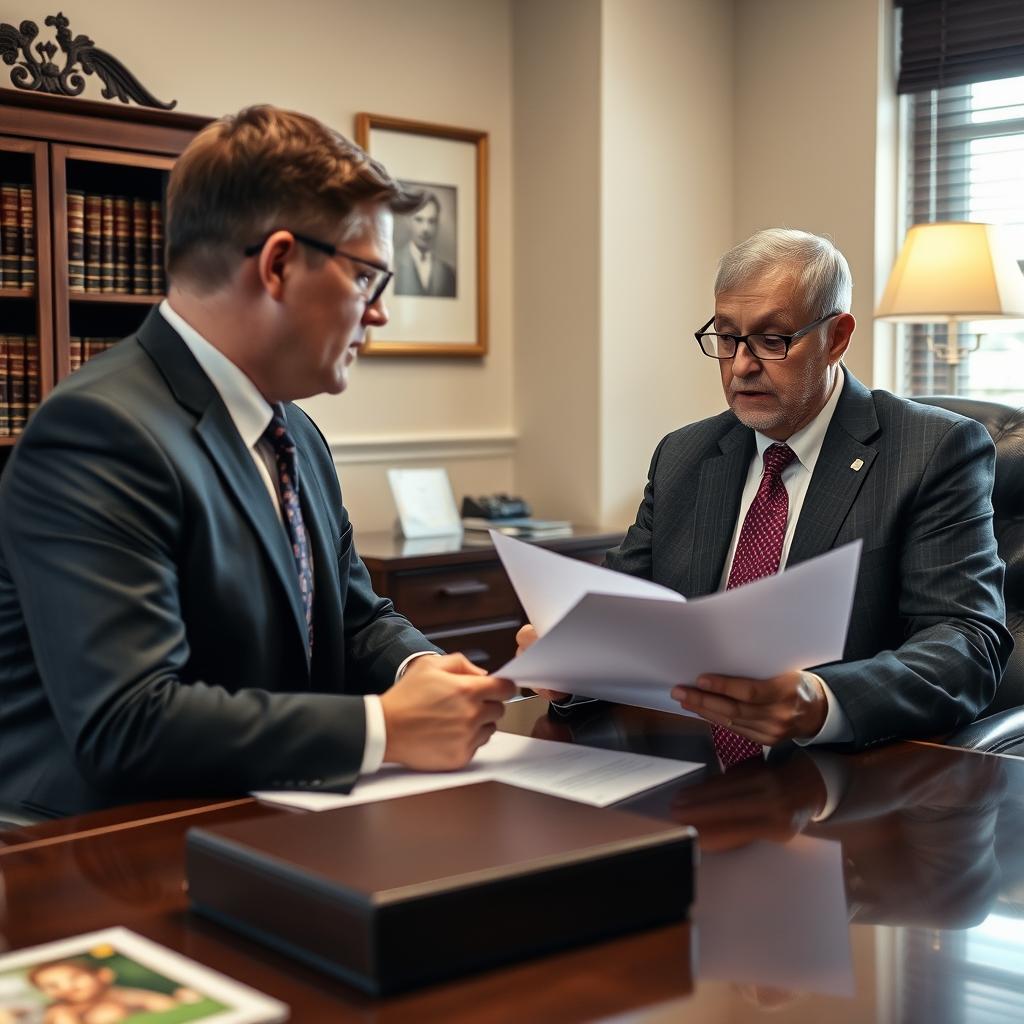
False Statements to a Federal Agent lawyer Isle of Wight County, VA
A federal investigation or charge under 18 U.S.C. § 1001 for making false statements to a federal agent is a serious matter with potentially life‑altering consequences. Residents of Isle of Wight County and the surrounding communities — Smithfield, Windsor, Carrollton — face prosecution in the U.S. District Court for the Eastern District of Virginia, one of the most active federal districts in the country. Federal agents from the FBI, DEA, ATF, IRS‑CI, or other investigative agencies routinely conduct interviews and compliance checks throughout the Hampton Roads region. When an individual is accused of knowingly falsifying, concealing, or covering up a material fact during such an interaction, the U.S. Attorney’s Office can bring felony charges. A conviction may lead to a term of imprisonment and carries the unique weight of the federal sentencing system, which includes advisory guidelines, mandatory minimums for certain offenses, and no parole. Mr. Sris and his Of Counsel team assist clients in Isle of Wight County who are under investigation or facing indictment for false‑statement offenses. To request a consultation, call Law Offices Of SRIS, P.C. at (888) 437‑7747.
What False Statements to a Federal Agent Means in Isle of Wight County
False‑statement charges arise when a person is alleged to have knowingly and willfully made a materially false, fictitious, or fraudulent statement or representation in any matter within the jurisdiction of the federal government. The federal agents involved are often from agencies that conduct interviews in southeastern Virginia — the FBI, DEA, IRS‑CI, ATF, and others. A statement need not be under oath to fall within the statute; an unsworn oral statement made to an investigator during an interview can form the basis of a prosecution if it is material and made with the requisite intent. Materiality generally means the statement could have influenced the agency’s decision or action. Because federal agents frequently conduct business‑ or tax‑related interviews in the Hampton Roads area, a routine conversation can evolve into a criminal case if a later investigation uncovers discrepancies.
Isle of Wight County lies within the Eastern District of Virginia, and federal criminal matters are heard at the U.S. District Courthouses in Norfolk and Newport News. The Eastern District is known for its swift docket and for prosecutors who are well‑versed in white‑collar and national‑security matters. The unique procedural posture of federal false‑statement charges — often arising from an existing investigation that expands into a separate, discrete prosecution — requires defense counsel who are deeply familiar with both the substantive law and the local federal practice. The firm’s Richmond location serves individuals throughout the county, and the legal team regularly appears in the Norfolk and Newport News federal divisions. Defendants face a federal indictment process that moves quickly: grand‑jury proceedings, initial appearances before a magistrate judge, detention hearings, discovery, and eventual trial or plea. Each phase imposes deadlines and procedural obligations that can be challenging without experienced guidance.
How Mr. Sris and His Of Counsel Handle Federal False‑Statement Cases
Defending a false‑statement charge demands a thorough, fact‑intensive approach from the very beginning. Mr. Sris and his Of Counsel focus on scrutinizing the government’s evidence — the precise language used in the alleged statement, its context, the speaker’s state of mind, and the materiality of the information to the underlying federal matter. An early, proactive investigation can make a critical difference. The team examines whether the statement was actually false, ambiguous, or immaterial, and whether any inaccuracies were the product of mistake, faulty memory, or a language barrier — all of which can negate the required mental state. The Office of the U.S. Attorney for the Eastern District of Virginia often brings these charges alongside other substantive offenses; a strategic, multi‑pronged defense is essential.
In the federal system, pretrial litigation is extensive. Motions to suppress statements obtained in violation of the Fifth Amendment or to challenge the sufficiency of the indictment can shape the trajectory of the case. The Sentencing Guidelines, while advisory, exert strong influence on any potential sentence. Mr. Sris and his Of Counsel work to identify grounds for downward departures — such as acceptance of responsibility, substantial assistance under 5K1.1, or safety‑valve eligibility — and to present a compelling mitigation narrative. Throughout the process, the team coordinates with federal prosecutors and probation officers to advocate for outcomes that align with the client’s circumstances and legal defenses. The goal is to resolve the matter on the most favorable terms, whether through dismissal, a negotiated plea, or, when warranted, active litigation at trial.
About Mr. Sris and His Of Counsel Team
Mr. Sris, Owner and Founder of Law Offices Of SRIS, P.C., has been handling criminal defense matters since 1997. As a former prosecutor, he brings an informed perspective to federal criminal defense. He is admitted to practice in Virginia, Maryland, the District of Columbia, New Jersey, and New York — a five‑jurisdiction admission base that enables the firm to provide comprehensive representation across the Mid‑Atlantic. Mr. Sris testified before the Virginia House Courts of Justice Committee in support of 2019 HB 635 (chief patron Del. David Bulova). His Of Counsel attorneys — all engaged through a non‑employee Of Counsel arrangement — bring extensive combined legal experience in defending federal criminal matters. Together, they serve individuals throughout Isle of Wight County and the broader Hampton Roads region, ensuring that every client’s case receives careful attention from a dedicated team. The firm’s Richmond location is readily accessible to residents of Smithfield, Windsor, and Carrollton.
Frequently Asked Questions
What is the difference between state and federal charges?
Federal charges are prosecuted by the U.S. Attorney’s Office in U.S. District Court and carry sentencing guidelines that are generally more severe than state‑level penalties, with no possibility of parole. A state prosecutor brings charges in Virginia’s General District or Circuit Court, while a federal Assistant U.S. Attorney handles federal crimes in the U.S. District Court for the Eastern District of Virginia. The procedural rules, discovery obligations, and sentencing frameworks differ significantly between the two systems. Because federal conviction rates are high, retaining an attorney who practices regularly in federal court is a prudent step.
What is federal criminal court and how is it different in VA?
Federal criminal court in Virginia is a U.S. District Court where felony and misdemeanor offenses are prosecuted by the U.S. Attorney’s Office — it operates under the Federal Rules of Criminal Procedure and imposes sentencing through the U.S. Sentencing Guidelines. Unlike state court, the federal system requires grand jury indictments for felonies, features a magistrate judge handling initial appearances, and does not offer parole. In the Eastern District of Virginia, the Norfolk and Newport News divisions serve Isle of Wight County, and the court’s calendar moves quickly under the Speedy Trial Act. Early legal representation is essential to navigate these distinct procedures.
How do federal sentencing guidelines work in Isle of Wight County, Virginia?
Federal sentencing in the U.S. District Court for the Eastern District of Virginia follows the U.S. Sentencing Guidelines, a points‑based system that calculates a guideline range using the offense level and the defendant’s criminal history category. The guidelines are advisory after the Supreme Court’s decision in United States v. Booker, but they remain highly influential. Mandatory minimum statutes, common in drug and firearm cases, override downward departures in many situations. Factors such as acceptance of responsibility, substantial assistance to the government (Section 5K1.1), and safety‑valve eligibility can reduce exposure. An attorney experienced with federal sentencing procedures can help evaluate these opportunities.
Do I need a federal criminal defense lawyer in Isle of Wight County, Virginia?
If you are under investigation or have been charged with a federal offense in the Eastern District of Virginia, retaining a federal criminal defense lawyer immediately is critical. Federal prosecutors build cases meticulously, often with lengthy pre‑indictment investigations. An attorney can intervene early — before charges are filed — to present exculpatory evidence, negotiate with the government, and protect your rights during interviews and grand jury proceedings. Once an indictment is issued, the case moves on a compressed schedule, making early representation a practical necessity.
How does a Virginia lawyer defend against false statements to a federal agent charges?
A defense strategy for false‑statement charges typically examines whether the statement was actually false, material, or made with the required knowing and willful intent. Defense counsel may challenge the accuracy of the government’s recollection, raise ambiguities in the alleged statement, or argue that any misstatement was the result of confusion or mistake rather than deliberate falsity. Procedural defenses — such as violations of the Fifth Amendment during questioning — can also lead to suppression of evidence. An experienced attorney evaluates the entire investigative record to build the strong $1.
What should I do if I am facing false statements to a federal agent charges in Virginia?
Contact a federal criminal attorney immediately and do not discuss the case with anyone except your lawyer. Preserve all relevant documents, electronic communications, and any notes concerning the interaction with the federal agent. Avoid making further statements to investigators without counsel present. Federal deadlines — including the statute of limitations and the rapid scheduling of initial appearances — require prompt action to protect your rights and develop a thorough defense.
Primary source references: Virginia Code Title 13.1 · SCC business entity filings · Virginia Courts
Attorney advertising. Prior results do not guarantee a similar outcome.
Case results depend on a variety of factors unique to each case.