
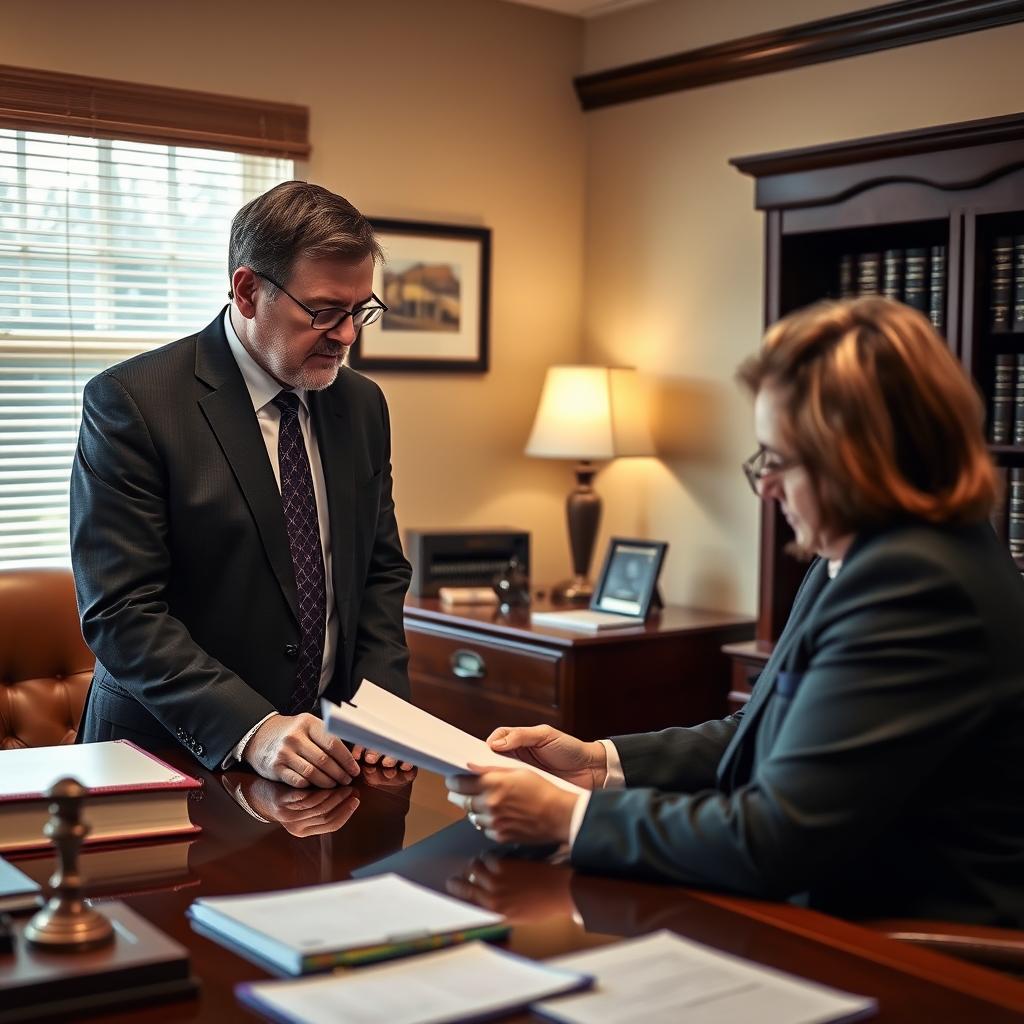
Failure to File Tax Return lawyer Fauquier County, VA
When the IRS Criminal Investigation Division examines whether you willfully failed to file a tax return, the stakes change immediately. A failure‑to‑file investigation in Fauquier County is not a routine IRS audit—it is a federal criminal matter prosecuted by the U.S. Attorney’s Office in the Eastern District of Virginia, a jurisdiction known for its high volume of tax prosecutions. Fauquier County residents who learn they are under investigation, or who receive a target letter, must recognize that the case will proceed in federal court, not in state court. The penalties can include imprisonment, substantial financial consequences, and a federal criminal record that follows you for life. Mr. Sris—a former prosecutor who founded Law Offices Of SRIS, P.C. in 1997—and the firm’s Of Counsel attorneys represent Fauquier County clients in federal tax matters from the investigation stage through sentencing. For a confidential consultation about a failure‑to‑file charge or a pending IRS criminal investigation, reach Mr. Sris and the firm’s Of Counsel attorneys at (888) 437‑7747. Law Offices Of SRIS, P.C. – Advocacy Without Borders.
What Failure to File Tax Return Means in Fauquier County
A federal charge for failure to file a tax return is unlike any state‑level offense. The case is investigated by IRS‑Criminal Investigation, typically after a referral from a revenue agent or through parallel financial inquiries. In Fauquier County and throughout Virginia, these prosecutions are handled by the United States Attorney’s Office for the Eastern District of Virginia, with court proceedings held at the federal courthouse in Alexandria. The Speedy Trial Act governs the timeline, and the U.S. Sentencing Guidelines—advisory since United States v. Booker, but still highly influential—determine the recommended sentencing range based on the offense level and the defendant’s criminal history. For a Fauquier County resident, this means traveling to federal court, navigating a process that moves on a federal calendar, and facing a system in which there is no parole.
Failure to file a tax return falls under Title 26 of the United States Code, and the government must prove that the failure was willful—that is, that the taxpayer acted with intentional disregard of a known legal duty rather than by mistake or inadvertence. That element often becomes the central battleground in these cases. Fauquier County clients benefit from working with counsel who understand how the U.S. Attorney’s Office for the EDVA builds tax cases and who can challenge the government’s evidence of willfulness at every stage. Because the federal system operates with its own rules of criminal procedure, evidence, and sentencing, experience limited to Virginia state courts does not translate to federal court. The firm’s attorneys are experienced in the federal system and represent Fauquier County clients facing IRS criminal investigations and resulting charges.
How Mr. Sris and the Firm’s Of Counsel Attorneys Handle Failure to File Tax Return Cases
Defending against a federal failure‑to‑file charge begins before indictment whenever possible. The firm’s attorneys engage with IRS‑CI agents and the assigned Assistant U.S. Attorney early, exploring whether the matter can be resolved through a civil disposition or a deferred‑prosecution agreement, or whether the evidence supports a challenge to the willfulness element. If charges are filed, the defense reviews discovery for investigative missteps, examines the taxpayer’s prior compliance history, and assesses whether the government can meet its burden of proving that the failure was intentional rather than the product of financial distress, reliance on a tax professional, or an honest mistake. Because federal tax cases frequently involve voluminous financial records, the firm works with forensic accountants and other professionals to present a complete financial picture to the court.
During pretrial proceedings in the Eastern District of Virginia, the firm’s attorneys litigate suppression motions where appropriate, negotiate with the government over proposed guideline calculations, and, when the evidence warrants, prepare for trial before a federal jury. Where a resolution short of trial is in the client’s interest, the firm advocates for a plea that accurately reflects the client’s conduct and presents a detailed sentencing memorandum that highlights mitigating factors under Section 3553(a) of Title 18. Post‑Booker, the court retains significant discretion, and a well‑prepared sentencing presentation can materially affect the outcome. Throughout the process, Mr. Sris and the firm’s Of Counsel attorneys keep Fauquier County clients informed and involved, so that each decision is made with a clear understanding of the risks and the available options.
About Mr. Sris and the Firm’s Of Counsel Attorneys
Mr. Sris is the Owner and Founder of Law Offices Of SRIS, P.C. A former prosecutor, he has practiced criminal defense since founding the firm in 1997 and is admitted to practice in Virginia, Maryland, the District of Columbia, New Jersey, and New York. Mr. Sris testified before the Virginia House Courts of Justice Committee in support of 2019 HB 635 (chief patron Del. David Bulova). His background gives him a firsthand understanding of how prosecutors build cases, which he applies to constructing a strategic defense for every client. Mr. Sris keeps his own caseload limited so that he can remain directly involved in the matters the firm undertakes.
The firm’s Of Counsel attorneys bring extensive combined legal experience to federal criminal defense. They include attorneys with backgrounds as former prosecutors and experienced litigators who have handled federal cases in the Eastern District of Virginia and beyond. Together, Mr. Sris and the firm’s Of Counsel attorneys work to protect the rights of Fauquier County residents who are confronted with federal criminal charges or investigations. Results may vary. In any individual matter.
Frequently Asked Questions
What is the difference between state and federal charges?
Federal charges are prosecuted by the U.S. Attorney with generally harsher penalties and no parole. A failure‑to‑file tax charge is a federal offense, meaning it follows the Federal Rules of Criminal Procedure rather than Virginia’s state court rules. Sentences are calculated under the U.S. Sentencing Guidelines, and there is no parole in the federal system—an offender must serve at least 85 percent of the imposed sentence before becoming eligible for good‑time credit. An experienced federal criminal defense attorney understands these differences and can explain how they affect the client’s situation.
How do federal sentencing guidelines work in Fauquier County, Virginia?
Federal sentencing at U.S. District Court for the Eastern District of Virginia follows the U.S. Sentencing Guidelines—a points‑based calculation using offense level and criminal history category. While advisory since Booker (2005), guidelines strongly influence sentencing. Mandatory minimum statutes override downward departures in many drug, firearm, and child exploitation offenses; tax cases generally lack a statutory mandatory minimum but are still subject to the guideline range. Acceptance of responsibility, substantial assistance (§ 5K1.1), and other departures can materially reduce exposure. Law Offices Of SRIS, P.C. — (888) 437‑7747.
Do I need a federal criminal defense lawyer in Fauquier County, Virginia?
Yes, immediately. Federal cases at U.S. District Court for the Eastern District of Virginia are prosecuted by the U.S. Attorney’s Office with federal investigative resources and carry federal sentencing guidelines. State‑court experience does not translate—federal practice has distinct rules, pretrial detention standards, and sentencing procedures. Early engagement before indictment materially affects outcomes. For a consultation, reach Mr. Sris and the firm’s Of Counsel attorneys at (888) 437‑7747.
What should I do if I am facing a federal failure to file tax return charge?
Contact a federal criminal defense attorney immediately and do not discuss the case with anyone except your lawyer. Preserve all tax returns, financial records, and communications with the IRS or a tax preparer. Do not attempt to resolve the matter on your own by filing overdue returns without legal guidance; doing so can create admissions that harm the defense. The statute of limitations and procedural deadlines under federal law require prompt action, and the earlier counsel is involved, the more options are available. For guidance on your specific situation, reach Law Offices Of SRIS, P.C. at (888) 437‑7747.
How long does a federal criminal case take in Virginia?
The timeline varies significantly by the complexity of the case and the court’s calendar. The Speedy Trial Act requires that an indictment be returned within 30 days of arrest and that trial commence within 70 days of indictment, but many delays are excludable—motions, continuances, and plea negotiations routinely extend the total duration. A straightforward failure‑to‑file case may reach resolution in several months; a case with substantial motion practice or that proceeds to trial can take over a year. The firm’s attorneys can discuss realistic timelines based on the specifics of the matter during a consultation.
Federal Criminal Defense in Nearby Counties: Fairfax County federal criminal lawyer · Prince William County federal criminal lawyer · Stafford County federal criminal lawyer · Loudoun County federal criminal lawyer
Authoritative sources: U.S. District Court for the Eastern District of Virginia · U.S. Sentencing Commission (Federal Sentencing Guidelines)
Attorney advertising. Prior results do not guarantee a similar outcome. Results may vary.
Case results depend on a variety of factors unique to each case.