
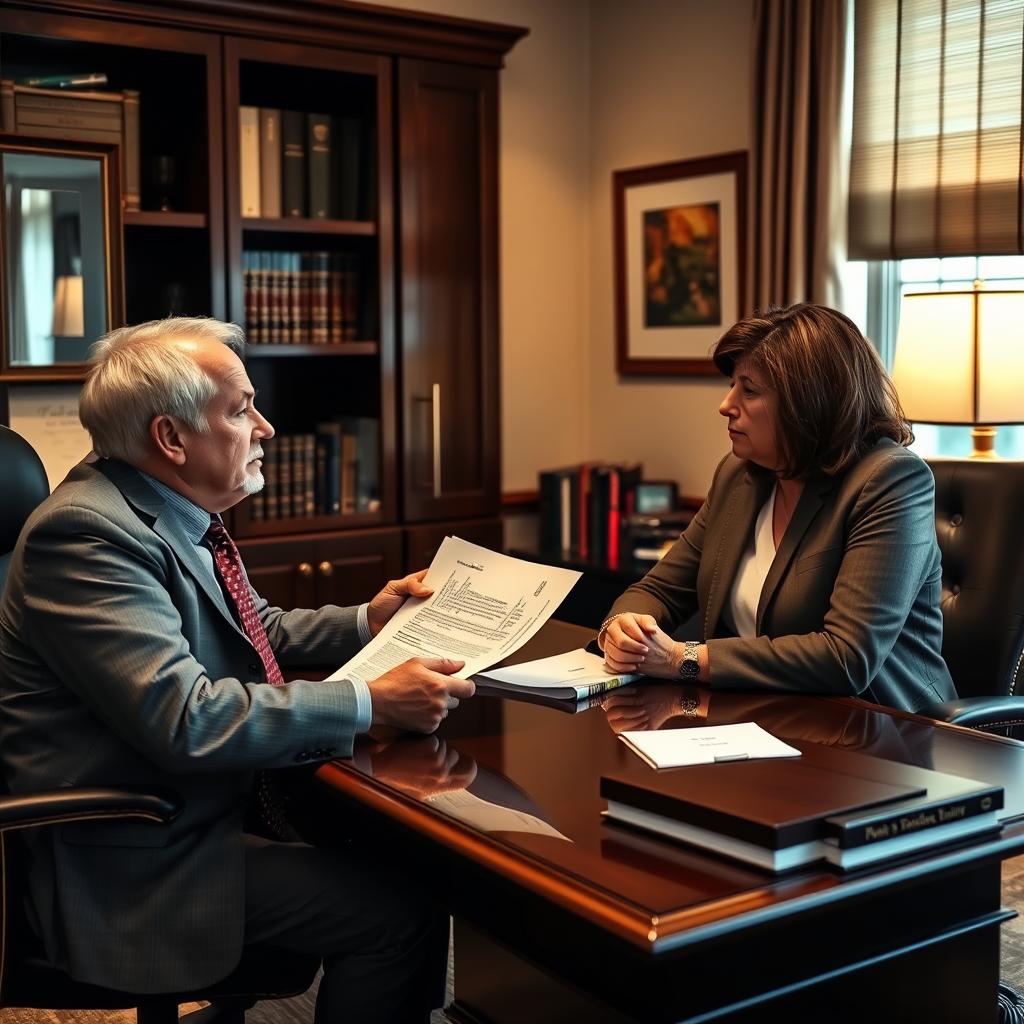
Conspiracy to Commit an Offense Lawyer in Prince George County, VA
A federal conspiracy to commit an offense charge in Prince George County is a serious felony under 18 U.S.C. § 371, requiring proof of an agreement and an overt act. Law Offices Of SRIS, P.C. provides a strong defense strategy for clients facing these complex federal charges. Our federal conspiracy defense lawyer Prince George County team is available 24/7 for consultation.
Last verified: April 2026 | Federal District Court for the Eastern District of Virginia | 18 U.S.C. § 371
Federal conspiracy law, codified at 18 U.S.C. § 371, makes it a crime for two or more persons to agree to commit any offense against the United States or to defraud the United States, and for one of them to commit an overt act to further that agreement. The agreement itself is the core of the crime, and the overt act can be a legal, non-criminal act. This means you can be charged with conspiracy even if the underlying crime was never completed. The penalties upon conviction are severe, often matching those for the substantive offense that was the object of the conspiracy. For a conspiracy to commit an offense lawyer Prince George County, understanding the nuances of proving the agreement and the specific intent is critical to building a defense.
Federal Conspiracy Charges and Penalties
In Prince George County, a federal conspiracy conviction under 18 U.S.C. § 371 carries up to 5 years in prison and fines, but penalties can be far greater if the conspiracy involves drugs, fraud, or violent crimes with their own mandatory minimums.
| Conspiracy Type | Federal Classification | Incarceration | Fine | Additional Consequences |
|---|---|---|---|---|
| Conspiracy to Defraud U.S. (18 U.S.C. § 371) | Felony | Up to 5 years | Up to $250,000 (individual) | Restitution, forfeiture, supervised release |
| Drug Trafficking Conspiracy (21 U.S.C. § 846) | Felony | 10 years to life (varies by drug type/quantity) | Up to $10 million | Mandatory minimums, asset forfeiture |
| Fraud Conspiracy (Wire, Mail, Bank) | Felony | Up to 20-30 years per count | Up to $1 million or twice the loss | Restitution, forfeiture, loss of professional licenses |
Results may vary. Prior results do not guarantee a similar outcome.
- Initial Investigation & Grand Jury: Federal agencies (FBI, DEA, IRS) investigate. A grand jury in the Eastern District of Virginia may issue an indictment.
- Arraignment & Detention Hearing: You appear before a federal magistrate judge, enter a plea, and the court determines if you will be released or detained pending trial.
- Discovery & Pre-Trial Motions: Your attorney reviews all evidence. Key motions may challenge the indictment or seek to suppress evidence.
- Plea Negotiations or Trial: The U.S. Attorney’s Office may offer a plea deal. If no agreement is reached, the case proceeds to a jury trial in federal district court.
- Sentencing: If convicted, sentencing follows federal guidelines, which consider the offense level and your criminal history.
Bryan Block, Defense Attorney at Law Offices Of SRIS, P.C. — Licensed in VA. Former Virginia State Trooper (15 years). View Bryan Block’s Profile
Founded in 1997 by former prosecutor Mr. Sris, Law Offices Of SRIS, P.C. brings over 120 years of combined attorney experience to federal conspiracy cases. Our firm-wide record includes 4,739+ case results with a 93%+ favorable outcome rate. Mr. Sris has personally amended Virginia state law (Va. Code § 20-107.3) and is frequently consulted by Indian Consulate officials in Washington, D.C. on U.S. legal matters, demonstrating deep legal authority. For a federal conspiracy defense lawyer Prince George County, this experience is critical in handling the high-stakes federal system.
Our team, including attorney Matthew Greene who has over 30 years of experience and formerly held a death penalty certification, approaches each conspiracy case with a detailed strategy. We examine the evidence for weaknesses in proving the alleged agreement, the specific intent of each conspirator, and the connection between any overt act and the conspiracy’s goal.
Law Offices Of SRIS, P.C. — Richmond
7400 Beaufont Springs Dr Suite 300 Room 359
Richmond, VA 23225
Toll-Free: (888) 437-7747 | Local: (804)201-9009
By appointment only. 24/7 phone consultations.
Our Richmond location serves clients in Prince George County and the surrounding Hopewell area. We represent individuals facing federal conspiracy charges investigated by agencies like the FBI and DEA. Contact us for a consultation to discuss your conspiracy charge strategy.
Federal Conspiracy Defense FAQs
What is the difference between conspiracy and aiding and abetting?
Yes, there is a key difference. Conspiracy requires an agreement to commit a crime before it happens, while aiding and abetting involves assisting a crime that is already in progress.
Conspiracy (18 U.S.C. § 371) focuses on the agreement itself, punishable even if the crime is never completed. Aiding and abetting (18 U.S.C. § 2) makes a person punishable as a principal for helping commit a substantive offense. The government must prove different elements for each charge.
Can I be charged with conspiracy if I didn’t know all the details of the plan?
It depends. You must have known the essential objective of the conspiracy and voluntarily joined it. You do not need to know every member, detail, or all crimes committed by co-conspirators. However, lack of knowledge about the core illegal purpose can be a defense. A conspiracy to commit an offense lawyer Prince George County can argue you lacked the required specific intent.
What is an “overt act” in a federal conspiracy case?
An overt act is any step taken by any conspirator to move the agreement forward. It can be a legal act, like renting a car or making a phone call, and does not need to be criminal itself. The act must occur after the agreement and be in furtherance of it. Proving this act is a required element under 18 U.S.C. § 371.
What are common defenses to a federal conspiracy charge?
Common defenses include: (1) Withdrawal from the conspiracy before an overt act occurred; (2) Lack of a genuine agreement (mere association is not enough); (3) Lack of specific intent to commit the underlying crime; (4) Entrapment by government agents; and (5) Challenging the sufficiency of the evidence linking you to the agreement.
Why do I need a federal conspiracy defense lawyer Prince George County?
Federal conspiracy cases are complex and prosecuted aggressively in the Eastern District of Virginia. The rules of evidence and procedure are different from state court. An experienced lawyer can dissect the indictment, file pre-trial motions to limit evidence, negotiate with the U.S. Attorney’s Office, and protect your rights at every stage, from investigation through appeal.
For related legal help, see our pages on Prince George County criminal defense and Prince George County business law. For an overview of our federal practice, visit our Virginia federal criminal defense hub.
Last verified: April 2026. Federal laws and procedures can change. Contact Law Offices Of SRIS, P.C. at (888) 437-7747 for current guidance regarding a conspiracy to commit an offense lawyer Prince George County.