
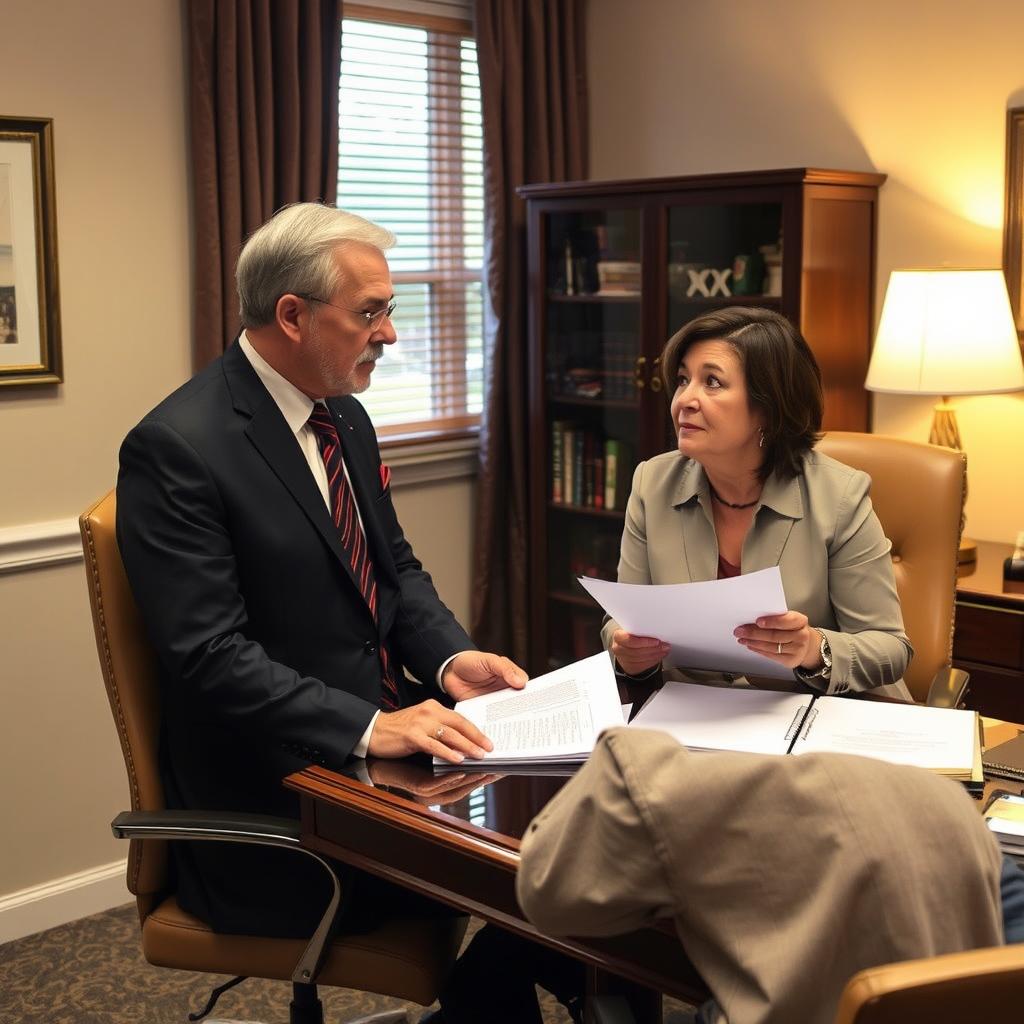
CFAA Violations lawyer Prince George County, VA
A federal charge under the Computer Fraud and Abuse Act (CFAA) is among the most serious computer-crime allegations the government can bring. If you are under investigation or have been indicted for a CFAA violation in or near Prince George County, Virginia, the case will proceed in the United States District Court for the Eastern District of Virginia—a court known for its swift docket and experienced federal prosecutors. Because federal convictions carry the potential for years of incarceration and the absence of parole, having defense counsel who understands the Eastern District and the CFAA’s technical demands is critical. Mr. Sris and the firm’s Of Counsel attorneys at Law Offices Of SRIS, P.C. provide federal criminal defense to individuals in Prince George County and across Virginia. To discuss your situation, call (888) 437-7747. Law Offices Of SRIS, P.C. – Advocacy Without Borders.
What CFAA Violations Mean in Prince George County
When a person in Prince George County faces a CFAA charge, the case does not stay in the local General District Court. The federal government prosecutes CFAA offenses under 18 U.S.C. § 1030, and jurisdiction lies exclusively in federal court. For residents of Prince George County—situated south of Richmond along I‑295—the case is typically filed in the Richmond Division of the U.S. District Court for the Eastern District of Virginia. The U.S. Attorney’s Office assigns experienced prosecutors who handle complex cybercrime cases, often after lengthy investigations by the FBI or other federal agencies. A person accused of unauthorized access to a protected computer, trafficking in passwords, or causing damage to a computer system faces a federal felony that can alter a career, security clearance, and liberty.
Federal criminal procedure differs markedly from state court. There is no preliminary hearing in general district court; instead, a grand jury indictment is required for felony charges. After indictment, the case moves through initial appearance, detention hearing, arraignment, and pretrial motions under the Federal Rules of Criminal Procedure. Sentencing is governed by the United States Sentencing Guidelines, with judges retaining discretion post‑Booker. Importantly, parole was abolished in the federal system decades ago, so any sentence imposed must be served almost in full, subject only to limited good‑time credits. Given these stakes, a person charged with a CFAA violation in Prince George County needs defense counsel who is familiar with both the substantive computer‑fraud statute and the procedural landscape of the Eastern District of Virginia.
How Mr. Sris and the Firm’s Of Counsel Attorneys Handle CFAA Violations Cases
Federal CFAA cases often turn on technical evidence: server logs, network‑access records, digital‑forensic reports, and electronic communications. The defense begins with a careful review of the government’s allegations and the forensic data. Mr. Sris and the firm’s Of Counsel attorneys work with digital‑forensic experts to evaluate whether the alleged access was truly “unauthorized” under the statute—a concept that has been the subject of significant appellate litigation—and whether the government can prove the required elements, such as damage to a protected computer or intent to defraud.
After assessing the evidence, several avenues may be pursued. Counsel may challenge the sufficiency of the indictment, seek suppression of evidence obtained in violation of the Fourth Amendment or the Electronic Communications Privacy Act, or negotiate with the U.S. Attorney’s Office for a resolution that reduces exposure. In some matters, early engagement with prosecutors can lead to a declination of charges or a plea to a lesser offense. When trial is necessary, the firm’s attorneys prepare every motion and argument with the understanding that Eastern District judges apply strict scheduling orders and expect thorough pretrial preparation. Throughout the process, the goal is to protect the client’s rights, preserve favorable outcomes, and minimize the disruption that a federal prosecution brings.
About Mr. Sris and the Firm’s Of Counsel Attorneys
Mr. Sris, Owner and Founder of Law Offices Of SRIS, P.C., is a former prosecutor who has practiced criminal defense since 1997. He is admitted in Virginia, Maryland, the District of Columbia, New Jersey, and New York, and he concentrates his practice on complex criminal matters, including federal computer‑crime defense. Mr. Sris testified before the Virginia House Courts of Justice Committee in support of 2019 HB 635 (chief patron Del. David Bulova), reflecting a sustained commitment to the legal system.
The firm’s Of Counsel attorneys bring significant litigation experience to federal criminal matters. Collectively, they assist with case strategy, motions practice, and trial preparation. Law Offices Of SRIS, P.C. serves clients in Prince George County from its Richmond location, and the firm regularly appears in the U.S. District Court for the Eastern District of Virginia. Every client’s case is approached with careful attention to the facts and the applicable federal law.
Frequently Asked Questions
What is the Computer Fraud and Abuse Act (CFAA)?
The CFAA, 18 U.S.C. § 1030, is a federal statute that criminalizes unauthorized access to computers and computer systems, as well as related conduct such as trafficking in passwords and transmitting threats. Enacted in 1986 and amended several times, the CFAA covers conduct ranging from trespassory hacking to sophisticated data theft. The statute applies when the computer involved is a “protected computer”—broadly defined to include any computer used in or affecting interstate or foreign commerce. Because the CFAA is a federal criminal statute, charges are prosecuted by the U.S. Attorney’s Office in federal district court. A conviction can carry severe consequences, and the government must prove each element beyond a reasonable doubt.
What are the penalties for a CFAA violation in Virginia?
Under 18 U.S.C. § 1030, penalties range from one to twenty years of imprisonment depending on the specific subsection charged and the amount of loss or damage. For basic unauthorized access (a misdemeanor under some provisions), the maximum term may be one year. Offenses involving fraud, damage, or threats can carry up to five, ten, or twenty years. When death results from certain violations, a life sentence is possible. Fines under Title 18 can reach $250,000 or more. Federal sentencing guidelines also influence the actual sentence, and there is no parole in the federal system. Each case is unique, and the final sentence depends on the offense conduct, the defendant’s criminal history, and any applicable mandatory minimums.
How does a federal criminal defense lawyer challenge a CFAA charge?
A defense lawyer challenges a CFAA charge by scrutinizing the government’s evidence of “unauthorized access” and examining whether law enforcement complied with constitutional and statutory search‑and‑seizure requirements. Because the CFAA’s definition of “exceeds authorized access” has been narrowed by Supreme Court precedent, many cases turn on whether the defendant had permission to access the system at issue. Counsel also reviews the digital‑forensic chain of custody, challenges the sufficiency of the indictment, and explores whether the government can prove the required jurisdictional element—that the computer was “protected.” Pretrial motions to suppress evidence or dismiss charges are common tools in federal CFAA defense.
What should I do if I am under investigation for a CFAA violation in Virginia?
If you learn you are under federal investigation for a CFAA violation, do not speak with law enforcement or anyone else about the matter and immediately consult an experienced federal criminal defense attorney. Federal agents may attempt to interview you or execute a search warrant. You have the right to remain silent and the right to counsel. Anything you say can be used against you. Preserve all potentially relevant documents and electronic records, but do not destroy or alter any data—that could lead to obstruction of justice charges. Prompt legal advice can help you understand the scope of the investigation and the steps you should take to protect your interests.
Do I need a lawyer if I am charged with a federal computer crime in Prince George County?
Yes. A federal CFAA charge carries the potential for a felony conviction, years of imprisonment, and lasting collateral consequences; having defense counsel is essential to protecting your rights. Federal criminal procedure is complex, and the government will be represented by experienced prosecutors. An attorney can evaluate the evidence, negotiate with the government, file motions, and, if necessary, try the case. Without counsel, a defendant risks waiving important rights and facing a sentence that could have been mitigated. Even if you believe the allegations are unfounded, the federal system is not forgiving to self‑represented defendants.
How do I find a CFAA lawyer in Prince George County, Virginia?
To find a federal CFAA lawyer in Prince George County, contact a firm that concentrates on federal criminal defense and is familiar with the Eastern District of Virginia. Look for counsel with experience handling computer‑crime cases and who understands the procedural rules and sentencing guidelines that apply in federal court. The right attorney will review your matter and explain the potential defenses and strategies available. To speak with Mr. Sris and the firm’s Of Counsel attorneys about a CFAA case, call (888) 437-7747.
If you need a federal criminal lawyer in other Virginia localities, the firm serves clients throughout the Commonwealth. See also:
- Federal Criminal Lawyer Fairfax County
- Federal Criminal Lawyer Prince William County
- Federal Criminal Lawyer Manassas (City)
- Federal Criminal Lawyer Fairfax (City)
Official resources for federal criminal law and the Eastern District of Virginia:
- 18 U.S.C. § 1030—Computer Fraud and Abuse Act
- U.S. District Court for the Eastern District of Virginia
- United States Sentencing Guidelines
Attorney advertising. Prior results do not guarantee a similar outcome. Results may vary.
Case results depend on a variety of factors unique to each case.