
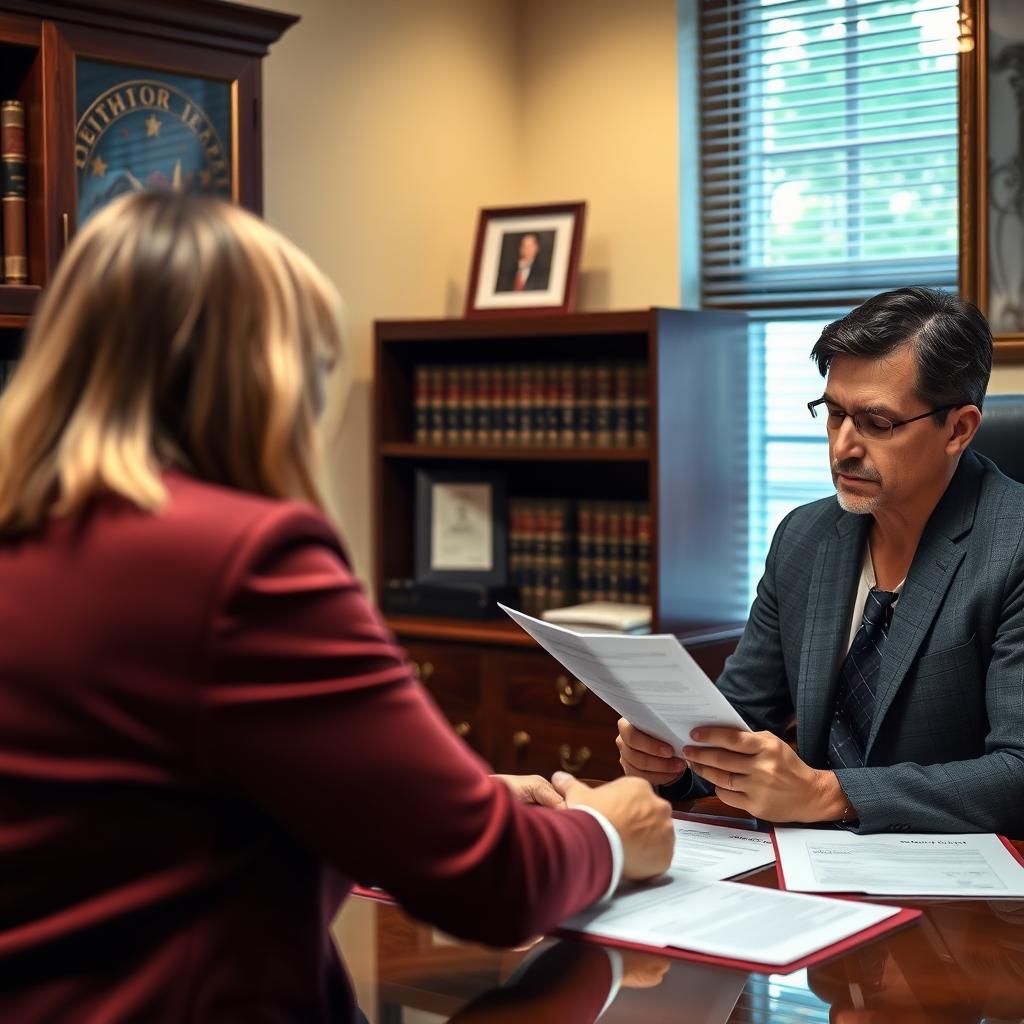
Bringing in and Harboring Aliens lawyer Louisa County, VA
Federal charges of bringing in and harboring aliens under 8 U.S.C. § 1324 are investigated actively by agencies such as Homeland Security Investigations (HSI) and prosecuted by the U.S. Attorney’s Office in the Western District of Virginia. If you are facing such an allegation in Louisa County or anywhere in the surrounding region, the stakes are high—conviction can result in imprisonment, substantial fines, and immigration consequences. Mr. Sris and his Of Counsel team at Law Offices Of SRIS, P.C. bring extensive experience in federal criminal defense to every matter. We understand how these cases are built and how to challenge evidence, examine procedural compliance, and negotiate with federal prosecutors. For a confidential consultation, call (888) 437-7747. Law Offices Of SRIS, P.C. – Advocacy Without Borders.
What Bringing in and Harboring Aliens Means in Louisa County, Virginia
“Bringing in and harboring aliens” refers to federal violations under the Immigration and Nationality Act (8 U.S.C. § 1324-1328). The statute prohibits transporting, concealing, shielding, or encouraging a noncitizen to enter or remain in the United States in violation of the law. In the Western District of Virginia—which encompasses Louisa County—these offenses are prosecuted in Roanoke, Charlottesville, and other divisions. The government must prove knowing or reckless disregard of immigration status, and the degree of the offense often escalates if the conduct was for financial gain or involved a serious risk of harm. Because federal immigration crimes carry the Department of Justice’s full resources, defendants need counsel thoroughly familiar with the Western District’s judges, pretrial procedures, and sentencing practices. Law Offices Of SRIS, P.C. serves Louisa County clients from our Richmond location, and Mr. Sris appears regularly in the U.S. District Court for the Western District of Virginia.
How Mr. Sris and His Of Counsel Handle Federal Immigration Crime Cases
Mr. Sris, a former prosecutor, knows how the government develops a case. Together with his Of Counsel, he reviews every aspect of the investigation—whether the defendant acted with the required intent, whether law enforcement followed proper procedure, and whether the facts support each element of the alleged offense. Honest, straightforward advice guides client decisions. From pretrial release arguments and detention hearings through discovery, motion practice, and trial, the team works to identify weaknesses in the government’s theory, contest inadmissible evidence, and present mitigating factors. In the Western District, where federal sentencing guidelines play a significant role and there is no parole in the federal system, early engagement can materially affect the outcome. Every client’s circumstances are unique, and the timeline depends on the complexity of the matter and the court’s calendar.
Frequently Asked Questions
How does a Virginia lawyer defend against bringing in and harboring aliens charges?
An experienced federal defense attorney evaluates whether the government can prove every element of the offense, challenges the legality of the investigation, and scrutinizes the credibility of witnesses and evidence. Strategies may include demonstrating lack of knowledge, arguing the defendant did not act with reckless disregard, or showing that law enforcement exceeded their authority. Because federal sentencing guidelines are complex, counsel also works to present mitigating factors and negotiate favorable plea agreements when appropriate.
What should I do if I am facing bringing in and harboring aliens charges in Virginia?
If you are under investigation or have been charged, contact a federal criminal attorney immediately and do not discuss the case with anyone except your lawyer. Preserve any documents or communications that may be relevant and follow your attorney’s guidance about interactions with investigators. Early involvement can help protect your rights and shape the direction of the case before an indictment is returned.
What are the penalties for bringing in and harboring aliens in Virginia?
Convictions under 8 U.S.C. § 1324 can lead to imprisonment, fines, and supervised release, with the severity depending on aggravating factors such as financial gain or risk of harm to the alien. Additionally, noncitizens convicted of this offense may face removal proceedings. The United States Sentencing Guidelines heavily influence the sentence, and federal judges consider offense level, criminal history, and any mandatory minimums. No parole exists in the federal system, so a thorough defense is essential.
What is the difference between state and federal criminal charges?
Federal charges are prosecuted by the U.S. Attorney’s Office under federal statutes, carry generally harsher penalties, and do not allow for parole. State charges are prosecuted by local or state authorities in state courts. Federal investigations often involve multiple agencies and have broader resources; the sentencing guidelines and procedural rules are distinct from state practice. Hiring an attorney with federal experience is critical when facing a charge in the U.S. District Court for the Western District of Virginia.
How do federal sentencing guidelines work in Louisa County, Virginia?
Federal sentencing in the Western District of Virginia follows the U.S. Sentencing Guidelines—a points-based calculation using offense level and criminal history category—which are advisory but strongly influence the judge’s decision. Since United States v. Booker (2005), judges have discretion to sentence outside the guidelines, but mandatory minimum statutes override downward departures in many immigration-crime contexts. Factors like acceptance of responsibility, substantial assistance (5K1.1), and safety-valve eligibility can materially reduce exposure. Law Offices Of SRIS, P.C. Analyzes these guidelines to present the strong $1 for a mitigated sentence.
Do I need a federal criminal defense lawyer in Louisa County, Virginia?
Yes—federal criminal cases demand an attorney who regularly practices in U.S. District Court and understands the Western District’s local rules and prosecutorial practices. The U.S. Attorney’s Office in the Western District brings significant resources to bear, and the procedural landscape differs markedly from state court. Early engagement matters; an experienced attorney can work to protect your pretrial liberty, preserve defenses, and navigate the sentencing phase effectively.
Can bringing in and harboring aliens charges be dropped in Virginia?
Charges may be dismissed or reduced if the evidence is insufficient, the investigation was flawed, or constitutional violations occurred. A motion to suppress evidence, for example, can lead to dismissal if the government’s case is weakened. Each matter turns on its specific facts, and dismissal is never automatic. Mr. Sris and his Of Counsel evaluate every avenue for challenging the indictment, from pretrial motions to negotiations with the prosecutor, to pursue the most favorable resolution available.
What is federal criminal court and how is it different in VA?
Federal criminal court in Virginia is the venue where offenses defined by the United States Code are prosecuted by the U.S. Attorney, with trial held before a federal district judge or magistrate judge. In the Western District of Virginia, the process includes a grand jury indictment, initial appearance, detention hearing, and potential trial. The Federal Rules of Criminal Procedure govern everything from discovery to jury selection. Because the evidentiary and sentencing standards differ from Virginia’s state courts, working with a defense team experienced in both forums is essential.
How long does a federal criminal case take in Virginia?
The timeline varies by complexity, the number of defendants, and the court’s docket; cases can take months to years to reach resolution. The Speedy Trial Act sets certain deadlines for indictment and trial, but numerous excludable delays—motions, continuances, and complex discovery—commonly extend the process. Early preparation by defense counsel can sometimes accelerate a favorable resolution through plea negotiations or dismissal.
What should I bring to a consultation with a federal defense attorney?
Bring any charging documents, correspondence from law enforcement or the court, and a written summary of the events as you recall them. Do not destroy evidence or discuss your case with anyone outside of legal privilege. The more information your attorney has, the better they can assess the strengths and weaknesses of your position. For a confidential consultation with Mr. Sris, call (888) 437-7747.
About Mr. Sris and His Of Counsel Team
Mr. Sris, Owner and Founder of Law Offices Of SRIS, P.C., is a former prosecutor who has been practicing since 1997. He is admitted in Virginia, Maryland, the District of Columbia, New Jersey, and New York. Mr. Sris testified before the Virginia House Courts of Justice Committee in support of 2019 HB 635 (chief patron Del. David Bulova). Together with his Of Counsel team, he draws on extensive combined legal experience to handle federal criminal matters, including immigration-related offenses, in the Western District of Virginia and elsewhere. The firm’s Richmond location serves Louisa County clients by appointment.
For further reading, see our pages on federal criminal defense in other Virginia localities:
- Fairfax County Federal Criminal Lawyer
- Fairfax City Federal Criminal Lawyer
- Falls Church Federal Criminal Lawyer
- Prince William County Federal Criminal Lawyer
- Manassas Federal Criminal Lawyer
Outbound primary-source authority links:
- U.S. District Court for the Western District of Virginia
- U.S. Attorney’s Office, Western District of Virginia
- Virginia Judicial System
Attorney advertising. Prior results do not guarantee a similar outcome. Case results depend on a variety of factors unique to each case. Results may vary. Attorney responsible for this advertising: Mr. Sris.