
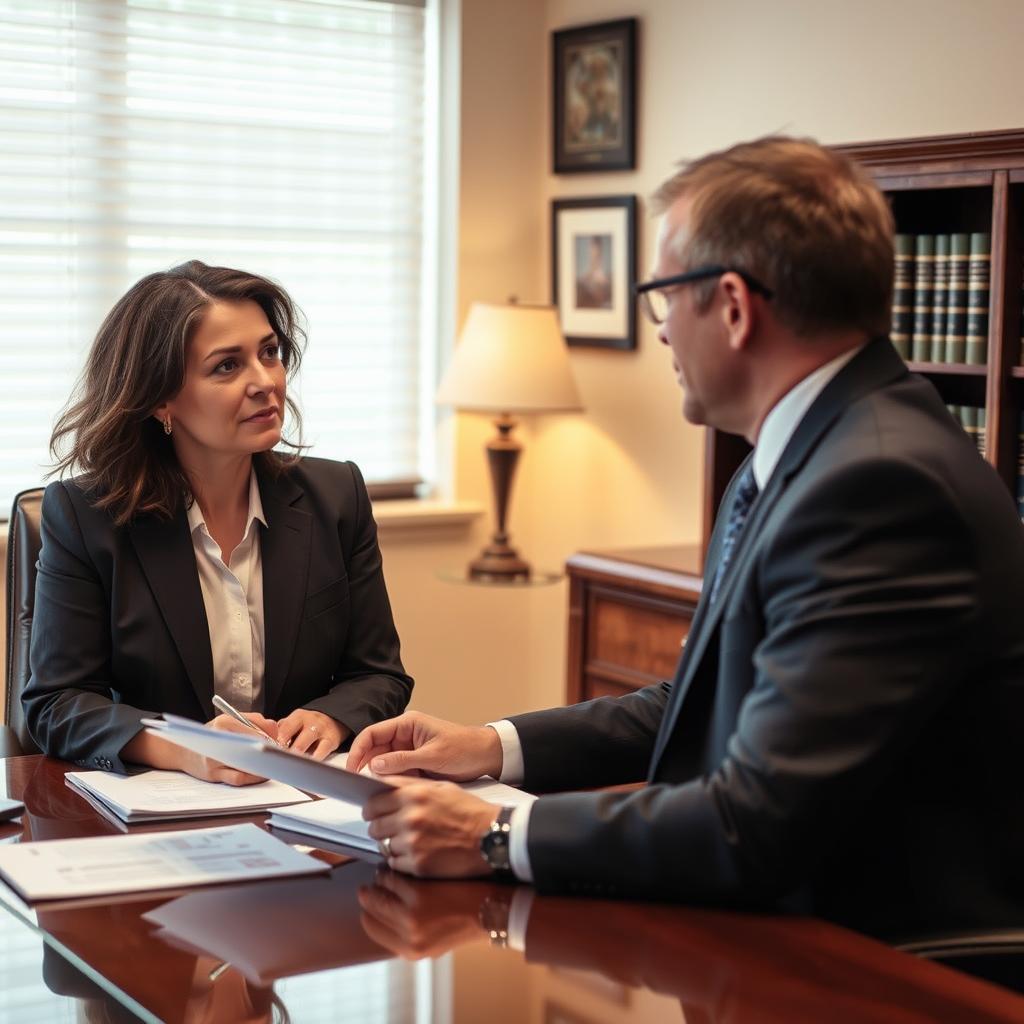
Bringing in and Harboring Aliens lawyer Fluvanna County, VA
You answered a knock at the door and learned that federal agents are investigating allegations that you brought in or harbored an unauthorized noncitizen. Now you face potential charges under 8 U.S.C. § 1324 in the Western District of Virginia. The investigation may involve interviews by Homeland Security Investigations or ICE, search warrants, and a grand‑jury subpoena. Whatever has happened so far, you need experienced counsel who can begin building a defense immediately. At Law Offices Of SRIS, P.C., Mr. Sris and his Of Counsel team represent clients in Fluvanna County and throughout Virginia against federal immigration‑crime accusations. Call (888) 437‑7747 to request a consultation. Law Offices Of SRIS, P.C. – Advocacy Without Borders.
Understanding Bringing in and Harboring Aliens Charges in Fluvanna County
Federal prosecutors in the Western District of Virginia, which includes Fluvanna County, charge bringing‑in and harboring offenses under 8 U.S.C. § 1324‑1328. The statute reaches a range of conduct—from transporting an unauthorized person into the United States to concealing, shielding, or encouraging a noncitizen to remain in the country unlawfully. Even offering a place to stay can trigger scrutiny if the government believes you knew the person’s immigration status and acted to avoid detection. Because the U.S. Attorney’s Office handles these matters, the investigation often involves multiple federal agencies. Proceedings move quickly after an arrest, and the initial appearance before a U.S. Magistrate Judge in the Western District of Virginia typically occurs within a day. Fluvanna County residents frequently appear at the Charlottesville or Roanoke federal courthouses. The stakes are high: convictions carry prison time, steep fines, and—for noncitizen defendants—immigration consequences that a state‑court attorney is not trained to manage.
Defense Strategies for Federal Immigration Crime Charges
Every case is unique, but a defense against an alien‑harboring charge in Virginia often examines the government’s ability to prove each element beyond a reasonable doubt. Was there a “bringing in” of a person at a port of entry? Did the government have admissible evidence that you “harbored” someone—meaning you concealed, sheltered, or shielded them from detection? Knowledge and intent are critical: you must have known or recklessly disregarded the fact that the individual was present in the United States in violation of law. Mr. Sris and his Of Counsel scrutinize whether statements were lawfully obtained, whether consent existed for any search, and whether any of the exceptions under 8 U.S.C. § 1324(a)(1)(A) apply—for instance, conduct that amounts solely to providing humanitarian assistance. In the Western District of Virginia, early engagement can shape whether the government pursues an indictment or resolves the matter through a plea agreement. When trial is necessary, a defense may challenge eyewitness identification, the voluntariness of admissions, or the chain of custody for physical evidence.
What to Expect When Facing Federal Charges in the Western District of
Federal procedure differs significantly from state court. After an arrest, you appear before a U.S. Magistrate Judge for an initial appearance and a detention hearing. The court considers whether you pose a flight risk or a danger to the community. If you are detained, your attorney works quickly to secure your release or, at a minimum, to prepare for a preliminary hearing. Grand‑jury indictment is required for felony charges. Once indicted, the case proceeds to arraignment, discovery, pretrial motions, and—if no resolution is reached—trial. Sentencing in a federal case follows the U.S. Sentencing Guidelines, which assign an offense level based on the specific conduct, the number of noncitizens involved, whether the offense was committed for financial gain, and other factors. Although the guidelines are advisory since United States v. Booker (2005), judges give them substantial weight. Mandatory minimum sentences may apply if the alien‑harboring involved serious bodily injury or death. Mr. Sris and his Of Counsel have handled federal criminal matters in Virginia courts and understand how to present mitigation under § 5K1.1, safety‑valve provisions where applicable, and arguments for a below‑guidelines sentence.
Penalties and Consequences Under 8 U.S.C. § 1324
Penalties for bringing‑in and harboring aliens are severe. A first‑time offense for basic alien‑harboring can result in up to five years of imprisonment, a fine, and supervised release. If the government proves that the offense was committed for commercial advantage or private financial gain, the maximum term increases to 10 years. When the conduct causes serious bodily injury or places a life in jeopardy, the maximum becomes 20 years. If a death results, the penalty can be life imprisonment or the death penalty. Beyond incarceration, a conviction can lead to asset forfeiture, restitution, and—for noncitizen defendants—removal from the United States. The collateral consequences are real: a felony record can affect employment, professional licenses, and firearm rights. Because the sentencing exposure is so high, anyone under investigation or charged should secure experienced federal criminal representation as soon as possible. Results may vary.
About Mr. Sris and His Of Counsel
Mr. Sris, Owner and Founder of Law Offices Of SRIS, P.C., is a former prosecutor with experience in criminal trial work. He established the firm in 1997 and practices across five jurisdictions. Mr. Sris testified before the Virginia House Courts of Justice Committee in support of 2019 HB 635 (chief patron Del. David Bulova). His Of Counsel team includes attorneys who concentrate their practice on federal criminal defense, bringing extensive combined legal experience. They appear regularly in the U.S. District Courts for the Western and Eastern Districts of Virginia. The firm serves Fluvanna County residents from its Shenandoah Location—by appointment only. Reach Law Offices Of SRIS, P.C. at (888) 437‑7747 to schedule a consultation.
Frequently Asked Questions
What is the difference between state and federal charges?
Federal charges are prosecuted by the U.S. Attorney’s Office with generally harsher penalties and no parole. Federal cases in Virginia are heard in U.S. District Court rather than a state circuit or general district court. The investigating agencies are federal—ICE, HSI, or the FBI—and the rules of procedure, sentencing guidelines, and appellate process are entirely different. An attorney experienced only in state court may not understand the nuances of the federal system, which is why retaining counsel with federal experience is critical for someone facing an alien‑harboring charge in the Western District of Virginia.
What is federal criminal court and how is it different in VA?
Federal criminal cases in Virginia are prosecuted by U.S. Attorneys in U.S. District Court and carry harsher sentencing guidelines than state charges. Law Offices Of SRIS, P.C. handles federal defense—(888) 437‑7747. Virginia has two federal judicial districts: the Eastern District (Alexandria, Richmond, Newport News) and the Western District (Roanoke, Abingdon, Charlottesville, Lynchburg, Harrisonburg). Fluvanna County lies in the Western District. The federal system has no parole; sentences served are at least 85% of the term imposed. Discovery obligations, plea‑bargaining practice, and evidentiary rules differ markedly from Virginia state courts.
How do federal sentencing guidelines work in Fluvanna County, Virginia?
Federal sentencing at U.S. District Court for the Western District of Virginia follows the U.S. Sentencing Guidelines—a points‑based calculation using offense level and criminal history category. While advisory since Booker (2005), the guidelines strongly influence sentencing. Mandatory minimum statutes override downward departures in many drug, firearm, and child‑exploitation offenses. In an alien‑harboring case, the base offense level rises with the number of noncitizens involved, whether a dangerous weapon was used, and whether the defendant received money. Acceptance of responsibility, substantial assistance under § 5K1.1, and safety‑valve eligibility, where applicable, can materially reduce exposure. Law Offices Of SRIS, P.C.—(888) 437‑7747.
Do I need a federal criminal defense lawyer in Fluvanna County, Virginia?
Yes, immediately. Federal cases at U.S. District Court for the Western District of Virginia are prosecuted by the U.S. Attorney’s Office with federal investigative resources (ICE, HSI, FBI, etc.) and carry federal sentencing guidelines that often include mandatory minimums. State‑court experience does not translate: federal practice has distinct rules, pretrial detention standards, and sentencing procedures. Early engagement before indictment can materially affect the direction of the case. Law Offices Of SRIS, P.C.—(888) 437‑7747, by appointment.
How does a Virginia lawyer defend against bringing in and harboring aliens charges?
Defense strategies for bringing‑in and harboring aliens in Virginia may include challenging evidence, examining procedural compliance, negotiating with prosecutors, and presenting mitigating factors. An experienced attorney evaluates the specific facts under 8 U.S.C. § 1324 to build the strong $1. Our firm looks at whether the government can prove knowledge or reckless disregard, whether any search or seizure violated the Fourth Amendment, and whether the accused qualifies for the “humanitarian assistance” exception. We also explore whether cooperation with federal authorities can lead to a favorable resolution.
What should I do if I am facing bringing in and harboring aliens charges in Virginia?
If you are facing bringing‑in and harboring aliens charges in Virginia, contact a federal criminal attorney immediately. Do not discuss the case with anyone except your lawyer. Preserve all relevant documents, text messages, and other evidence, but do not delete anything; destruction of evidence can itself become a separate charge. Be polite but firm with investigators: you have the right to remain silent and the right to counsel. Invoke those rights specifically: “I wish to speak with an attorney and will not answer questions without one.” Then call an experienced federal defense lawyer at (888) 437‑7747.
What are the penalties for bringing in and harboring aliens in Virginia?
Penalties for bringing‑in and harboring aliens in Virginia depend on the specific charges, prior record, and circumstances. Under 8 U.S.C. § 1324, a basic first offense carries up to five years of imprisonment. If commercial advantage or financial gain is involved, the maximum rises to 10 years. When the conduct causes serious bodily injury or places a life in jeopardy, it can be 20 years. Where a death results, the penalty can be life imprisonment or the death penalty. Additionally, substantial fines, supervised release, and immigration consequences may follow. Consult a federal criminal attorney for case‑specific guidance.
Can I be held responsible for harboring an alien if I did not know the person was undocumented?
The government must prove knowledge or reckless disregard of unlawful presence. Under 8 U.S.C. § 1324(a)(1)(A)(iii), it is unlawful to harbor an alien “knowing or in reckless disregard of the fact that such alien has come to, entered, or remains in the United States in violation of law.” That means that if you genuinely did not know—and a reasonable person in your position would not have known—the government may struggle to meet its burden. However, refusing to ask questions or deliberately avoiding information can be treated as reckless disregard. The facts matter, and early legal advice can help you avoid statements that could be used against you.
How long does a federal criminal case take in Virginia?
A federal criminal case in Virginia generally takes months to over a year, depending on complexity and the decision to go to trial or settle. The Speedy Trial Act requires that trial begin within 70 days of indictment, but many delays are excluded from the calculation—motion practice, discovery disputes, and continuances. In the Western District of Virginia, a straightforward alien‑harboring case may resolve in under twelve months; multi‑defendant or document‑intensive matters can last significantly longer. Your attorney can give you a more accurate estimate once the case is docketed.
Will the case affect my immigration status?
Yes, a conviction for bringing‑in or harboring aliens often has severe immigration consequences. For a noncitizen, an alien‑harboring conviction may constitute an “aggravated felony” under the Immigration and Nationality Act, triggering mandatory detention and virtually certain removal. Even a lawful permanent resident can lose a green card and be deported. For a U.S. Citizen, the immigration consequences are indirect but can still be significant—for instance, if family members are noncitizens. Defending the criminal charge effectively often is the first step toward protecting immigration status. Speak with a lawyer who understands both criminal defense and immigration consequences. Call (888) 437‑7747.
Related Federal Criminal Defense Pages:
Fairfax County Federal Criminal Lawyer |
Prince William County Federal Criminal Lawyer |
Manassas Federal Criminal Lawyer |
Fairfax City Federal Criminal Lawyer |
Falls Church Federal Criminal Lawyer
Official Resources:
Virginia Courts |
Virginia Code Title 13.1 (business organizations) |
SCC business entity filings