
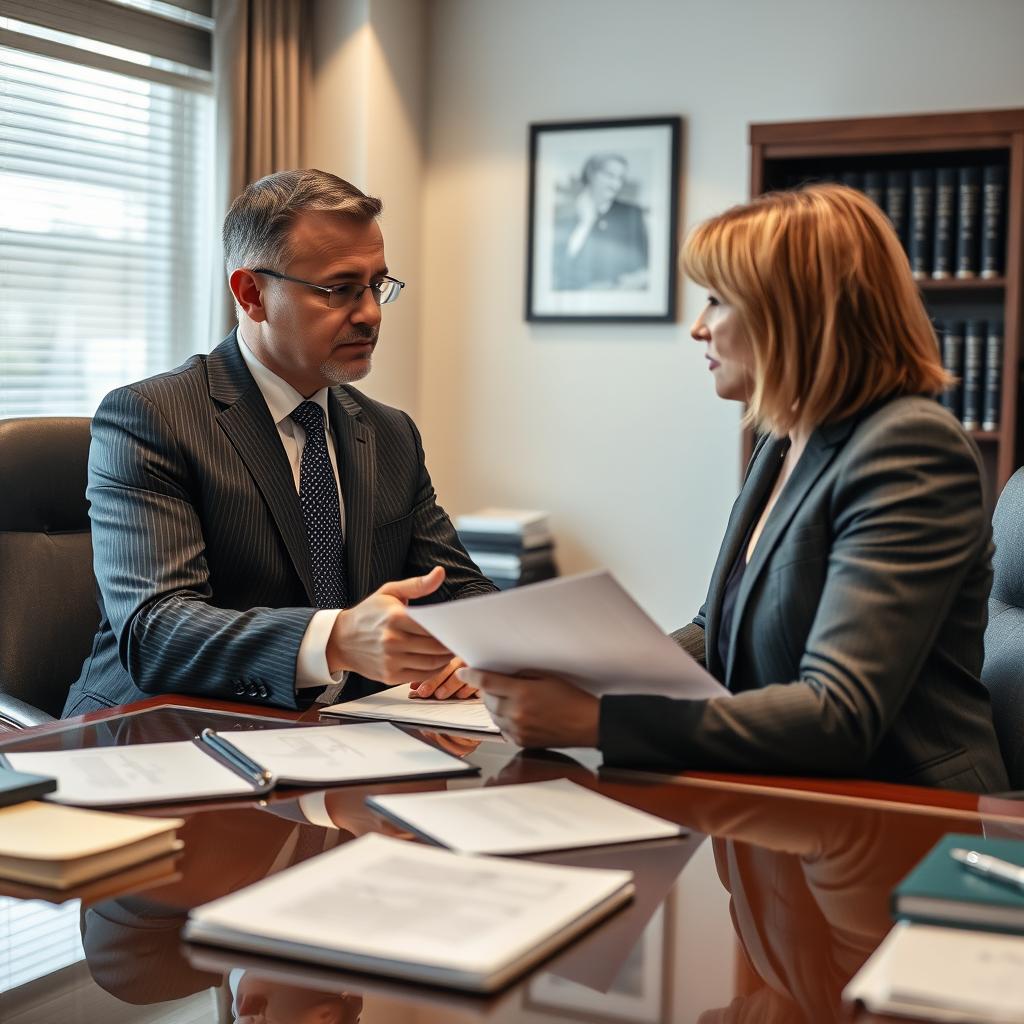
Accessory After the Fact lawyer DC
Federal criminal charges require a defense attorney who understands how the U.S. Attorney’s Office builds cases in Washington, D.C. An accessory after the fact charge under 18 U.S.C. § 3 involves allegations that a person assisted someone who committed a federal offense, knowing that person committed the crime. Because the maximum sentence is half the penalty for the underlying offense—or up to 15 years if the underlying crime carries life imprisonment or the death penalty—the stakes are high. At Law Offices Of SRIS, P.C., Mr. Sris and the firm’s Of Counsel attorneys represent clients facing federal accessory charges in the U.S. District Court for the District of Columbia. The firm’s location serves the District from nearby Arlington, Virginia, and the team appears regularly at the E. Barrett Prettyman United States Courthouse. For a consultation, reach the firm at (888) 437-7747. Law Offices Of SRIS, P.C. – Advocacy Without Borders.
What Accessory After the Fact Means in Washington, D.C.
Under federal law, accessory after the fact is defined as receiving, relieving, comforting, or assisting an offender in order to hinder or prevent their apprehension, trial, or punishment. The charge is not merely an add-on to the principal crime; it carries its own sentencing exposure. In Washington, D.C., federal criminal matters are prosecuted by the United States Attorney’s Office for the District of Columbia, which handles both local felonies and national-interest cases. The USAO-DC frequently brings accessory charges in connection with violent crimes, fraud schemes, and obstruction investigations. A conviction can result in imprisonment, supervised release, and significant collateral consequences, especially for professionals and government employees who hold security clearances.
The D.C. Federal court follows the Federal Rules of Criminal Procedure and the United States Sentencing Guidelines. Investigations are typically conducted by agencies such as the FBI, the United States Capitol Police, and the Secret Service. Because the U.S. Attorney’s Office for the District of Columbia prosecutes a broad spectrum of cases, an individual charged as an accessory may face active early-stage investigative tactics, including search warrants and grand jury subpoenas. Mr. Sris and the firm’s Of Counsel attorneys help clients navigate these proceedings, working to protect their rights from the initial contact through trial, if necessary.
How Mr. Sris and the Firm’s Of Counsel Attorneys Handle Federal Accessory Cases
An accessory after the fact charge often arises when prosecutors believe a person helped a suspect evade law enforcement. The firm scrutinizes every element: whether the underlying federal offense actually occurred, whether the accused possessed knowledge of that offense at the time of the alleged assistance, and whether the assistance was provided with the specific purpose of hindering prosecution. The government must prove each element beyond a reasonable doubt, and the firm challenges the government’s evidence at each stage.
From the investigative phase through sentencing, the team’s work includes reviewing discovery, challenging the admissibility of statements and physical evidence, and negotiating with the Assistant U.S. Attorney when a pre-indictment resolution is possible. If the case proceeds to indictment, the firm prepares for motions practice in the U.S. District Court for the District of Columbia. Trials in federal court can be complex, and the firm draws on extensive experience in federal criminal defense. Throughout the process, the firm keeps clients informed and focuses on achieving the most favorable outcome possible under the circumstances.
About Mr. Sris and the Firm’s Of Counsel Attorneys
Mr. Sris, Owner and Founder of Law Offices Of SRIS, P.C., has practiced criminal defense since 1997. He is a former prosecutor and is admitted to practice in Virginia, Maryland, the District of Columbia, New Jersey, and New York. Mr. Sris testified before the Virginia House Courts of Justice Committee in support of 2019 HB 635 (chief patron Del. David Bulova). His experience includes federal criminal matters, and he works alongside the firm’s Of Counsel attorneys, who bring additional experience in federal and state court litigation. Mr. Sris and the firm’s Of Counsel attorneys draw on extensive combined legal experience to handle accessory after the fact cases. Results may vary.
The firm’s Of Counsel attorneys are experienced criminal defense practitioners. Their collective background includes work on complex federal matters, and they collaborate with Mr. Sris to develop defense strategies tailored to each client’s situation. The firm’s Arlington location serves Washington, D.C., clients and is approximately three miles from the U.S. District Court courthouse. Reach Law Offices Of SRIS, P.C. at (888) 437-7747 to request a consultation.
Frequently Asked Questions
What is accessory after the fact under federal law?
Accessory after the fact under 18 U.S.C. § 3 means assisting someone who committed a federal crime, knowing that person committed the offense, with the intent to hinder their apprehension, trial, or punishment. The penalty is up to half the maximum sentence of the underlying crime, or up to 15 years if the underlying offense carries life imprisonment or the death penalty. Unlike aiding and abetting, which occurs before or during the crime, accessory after the fact involves conduct after the offense is complete. The charge is separate from the principal offense and is prosecuted in federal court.
How does the U.S. Attorney’s Office in D.C. Prosecute accessory after the fact cases?
The U.S. Attorney’s Office for the District of Columbia must prove that the defendant knew a federal crime had been committed and acted to assist the offender in avoiding law enforcement. Prosecutors often rely on circumstantial evidence, such as communications with the principal, financial records, or physical presence at a location relevant to the underlying crime. Because the USAO-DC handles both local and national cases, the investigative resources behind an accessory charge can be significant. An attorney can challenge the sufficiency of that evidence and ensure the government meets its burden.
Can accessory after the fact charges be brought even if the principal is not convicted?
Yes, the government can charge accessory after the fact even if the principal offender is never identified or convicted, but it must still prove that a federal crime occurred and that the defendant assisted with knowledge and the required intent. The prosecution’s case often rests on showing that the underlying offense took place, even if the principal evades prosecution. An experienced federal defense attorney will examine whether the government has enough evidence to establish the underlying offense beyond a reasonable doubt.
Do I need a lawyer if I am under investigation for accessory after the fact in D.C.?
Yes, anyone contacted by federal agents or who receives a target letter from the U.S. Attorney’s Office should speak with an attorney immediately. Early legal involvement can help protect your rights during questioning, preserve evidence, and address the investigation before an indictment. Federal accessory charges carry significant potential penalties, and the stakes increase the longer the investigation proceeds without counsel. Reach Law Offices Of SRIS, P.C. at (888) 437-7747 to discuss your situation.
What courts handle federal accessory after the fact charges in Washington, D.C.?
The U.S. District Court for the District of Columbia, located at the E. Barrett Prettyman United States Courthouse on Constitution Avenue NW, hears federal accessory after the fact cases. Proceedings follow the Federal Rules of Criminal Procedure, and sentences are governed by the United States Sentencing Guidelines. Magistrate judges handle initial appearances and detention hearings, while district judges preside over arraignments, motions, trials, and sentencing. The firm’s attorneys are familiar with the court’s procedures and the local practices of the USAO-DC.
What should I do if I believe I may be charged as an accessory after the fact?
Do not discuss the matter with anyone other than your attorney, and preserve any documents or communications that may be relevant. Even conversations with friends or family can be used by investigators. Refrain from posting about the situation on social media. The earlier an attorney is involved, the more options may be available to address the investigation. For a consultation, reach Mr. Sris and the firm’s Of Counsel attorneys at (888) 437-7747.
Related pages for Washington, D.C. Federal criminal matters:
- Georgetown federal criminal defense
- Spring Valley federal criminal defense
- Cleveland Park federal criminal defense
- Chevy Chase federal criminal defense
- American University Park federal criminal defense
Official primary sources:
- U.S. District Court for the District of Columbia
- U.S. Attorney’s Office for the District of Columbia
Last reviewed: July 2026
Attorney advertising. Prior results do not guarantee a similar outcome.
Results may vary.
Case results depend on a variety of factors unique to each case.