
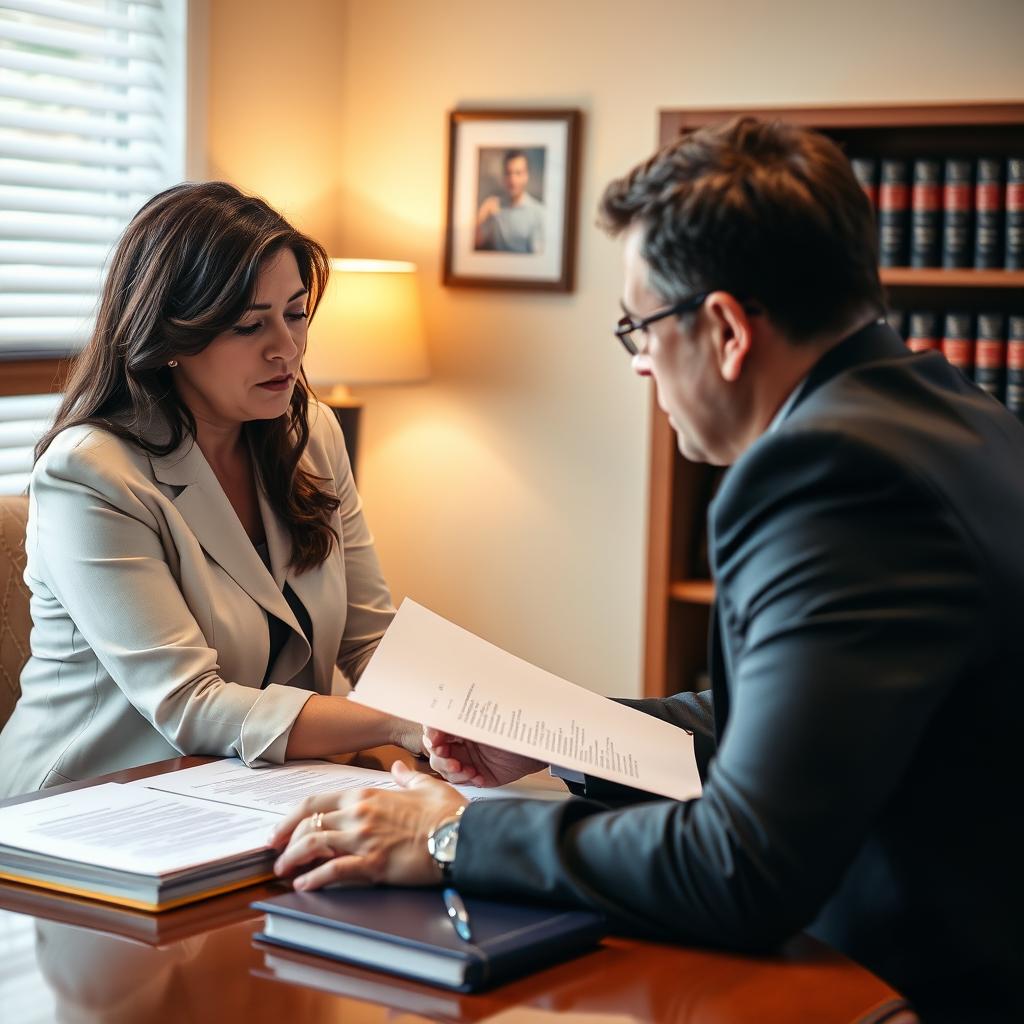
Subornation of Perjury lawyer Roanoke County, VA
Federal subornation of perjury charges in Roanoke County involve allegations that you procured another person to commit perjury—a serious felony prosecuted in the U.S. District Court for the Western District of Virginia. If you are under investigation or have been indicted, the stakes include a potential prison sentence under the federal sentencing guidelines and the full weight of the U.S. Attorney’s Office. Mr. Sris and his Of Counsel concentrate their practice on federal criminal defense, including charges under 18 U.S.C. § 1622 (subornation of perjury) and related obstruction statutes. Our Shenandoah location serves clients throughout Roanoke County, appearing regularly in the Roanoke division. Because there is no parole in the federal system, every strategic decision matters from the moment a grand jury subpoena is issued. To request a consultation about a subornation of perjury matter in Roanoke County, reach Law Offices Of SRIS, P.C. at (888) 437-7747. Law Offices Of SRIS, P.C. – Advocacy Without Borders.
Understanding Federal Subornation of Perjury Charges in Roanoke County
Subornation of perjury occurs when a person causes or procures another to commit perjury—that is, to testify falsely under oath. Under 18 U.S.C. § 1622, the government must prove that the accused knowingly induced a witness to provide material false testimony in a federal proceeding. The U.S. Attorney’s Office for the Western District of Virginia prosecutes these cases, and the charges often arise in connection with grand jury investigations, federal trials, or administrative hearings. Because the offense strikes at the integrity of the judicial process, federal courts impose serious consequences.
When subornation of perjury is charged in Roanoke County, the case is heard in the U.S. District Court for the Western District of Virginia, Roanoke division. Federal sentencing guidelines apply, and the penalties can range from incarceration to supervised release and fines. The prosecution must prove every element beyond a reasonable doubt, but the burden shifts to the defense to challenge the evidence, examine the credibility of the alleged perjurer, and contest whether the accused acted with the required intent. Mr. Sris and his Of Counsel have extensive experience in federal criminal proceedings and work to protect clients’ rights through every stage of the process.
Frequently Asked Questions
What is subornation of perjury under federal law?
Subornation of perjury is the federal crime of procuring another person to commit perjury, defined under 18 U.S.C. § 1622. To secure a conviction, the government must show that the defendant knowingly induced a witness to give false testimony under oath in a federal proceeding, and that the false testimony was material. This offense is separate from perjury itself. Federal prosecutors often bring subornation charges in cases involving obstruction of justice, witness tampering, or complex fraud schemes. The U.S. Sentencing Guidelines govern the penalty calculation, and a conviction can result in a significant prison term, fines, and supervised release.
What are the penalties for subornation of perjury in a Roanoke County federal case?
Federal sentencing for subornation of perjury is determined by the U.S. Sentencing Guidelines and the specific facts of the case, but it can carry substantial incarceration. Because there is no parole in the federal system, a defendant serves a significant portion of any imposed sentence. The base offense level and any enhancements—such as the extent of the obstruction or the nature of the underlying proceeding—guide the court. A conviction may also result in a term of supervised release and monetary penalties. Every case is different, and an experienced attorney can explain the sentencing exposure based on the particular circumstances.
How does a Virginia lawyer defend against subornation of perjury charges?
Defense strategies in subornation of perjury cases focus on challenging the government’s proof of the defendant’s intent and the materiality of the alleged false testimony. Because the prosecution must show that the accused knowingly induced perjury, defense counsel may contest whether any false statement was actually made, whether the accused knew the testimony was false, or whether the statement was material to the proceeding. Evidence challenges, witness credibility issues, and procedural arguments under the Federal Rules of Criminal Procedure are common defense avenues. Mr. Sris and his Of Counsel evaluate every angle to pursue the most favorable outcome possible.
What should I do if I am facing subornation of perjury charges in Virginia?
If you are under investigation or have been charged with subornation of perjury, contact a federal criminal defense attorney immediately and do not discuss the case with anyone but your lawyer. Preserve any documents, communications, or evidence that could be relevant. The federal government begins building its case early—often through grand jury subpoenas—so swift legal involvement is critical. Do not speak to federal agents without counsel present. Mr. Sris and his Of Counsel can advise you on how to respond to subpoenas, prepare for interviews, and mount a proactive defense.
What is the difference between state and federal charges?
Federal charges are prosecuted by the U.S. Attorney under federal statutes, with generally harsher penalties and no parole, while state charges are handled by local prosecutors under state law. In Roanoke County, federal cases are heard in the U.S. District Court for the Western District of Virginia, whereas state charges go through the Roanoke County General District and Circuit Courts. Federal sentencing guidelines are more rigid, and the investigative resources of agencies such as the FBI are extensive. Having an attorney experienced in federal court is essential when facing charges like subornation of perjury.
How long does a federal criminal case take?
The timeline of a federal criminal case varies widely and depends on the complexity of the charges, the number of defendants, and the court’s calendar. Under the Speedy Trial Act, an indictment must generally be returned within 30 days of arrest, and trial must commence within 70 days of indictment, but many delays are excluded. Federal cases often take months, and complex investigations can extend the pretrial period. Mr. Sris and his Of Counsel work to move cases forward efficiently while building the strong $1.
Can federal criminal charges be dropped?
Federal charges can be dismissed or reduced through pretrial motions, evidentiary challenges, or negotiations with the U.S. Attorney’s Office, but past results do not guarantee a similar outcome. If the evidence is weak, the search or seizure violated the Fourth Amendment, or the indictment contains legal defects, an attorney can file motions to dismiss. In other situations, cooperation, diversion programs, or plea agreements may result in a charge being amended or reduced. Each case is unique, and results depend on the specific facts.
Do I need a lawyer for federal criminal charges in Roanoke County?
Yes, you need an attorney experienced in federal criminal defense if you are facing a federal charge such as subornation of perjury. Federal criminal procedure is distinct from Virginia state court practice. The stakes—including the loss of liberty, fines, and a permanent felony record—are too high to navigate without counsel. An attorney can protect your rights during the investigation, negotiate with prosecutors, and represent you at detention hearings, arraignment, and trial. Mr. Sris and his Of Counsel concentrate on federal matters and are admitted to practice in the U.S. District Court for the Western District of Virginia.
What is the statute of limitations for federal perjury or subornation of perjury?
Generally, the statute of limitations for non-capital federal offenses, including perjury and subornation of perjury, is five years under 18 U.S.C. § 3282. However, certain factors can toll, extend, or suspend the limitations period—such as the defendant fleeing the jurisdiction or the crime being part of a continuing scheme. Because the exact deadline depends on the facts, anyone who believes they may be under investigation should seek legal advice immediately. Acting early can preserve defenses that might otherwise be lost.
How do federal prosecutors prove subornation of perjury?
Prosecutors prove subornation of perjury by establishing that the defendant knowingly procured or induced another person to testify falsely under oath about a material matter in a federal proceeding. Evidence may include recordings, emails, witness testimony, and the transcript of the alleged perjurious testimony. The government must demonstrate that the accused acted with the specific intent to cause false testimony, not merely that false testimony occurred. Because intent is often the central point of dispute, mounting a thorough attack on the government’s evidence is a key defense strategy.
What happens during a federal criminal investigation for subornation of perjury?
During a federal investigation, agencies such as the FBI may execute search warrants, issue grand jury subpoenas, and interview witnesses before seeking an indictment. A target of the investigation may receive a target letter or be approached by federal agents. It is crucial not to speak to investigators without legal counsel, as anything you say can be used against you. An attorney can engage with the government early to understand the scope of the investigation, present exculpatory evidence, and potentially persuade the prosecutor not to seek an indictment.
About Mr. Sris and His Of Counsel Team
Mr. Sris, Owner and Founder of Law Offices Of SRIS, P.C., is a former prosecutor who has practiced law since 1997. Admitted in Virginia, Maryland, the District of Columbia, New Jersey, and New York, he concentrates on federal criminal defense and brings firsthand insight into how the government builds its cases. Mr. Sris and his Of Counsel bring extensive combined legal experience, representing clients in federal district courts across the country. Results may vary. The team’s familiarity with the U.S. Sentencing Guidelines and federal court procedures in the Western District of Virginia helps them prepare thoughtful, informed defenses. To discuss a subornation of perjury matter in Roanoke County, contact the firm at (888) 437-7747.
For additional information about federal criminal representation across Virginia, see our Fairfax County federal criminal lawyer, Prince William County federal criminal lawyer, and Falls Church federal criminal lawyer pages.
Attorney advertising. Prior results do not guarantee a similar outcome. Results may vary. Case results depend on a variety of factors unique to each case.