
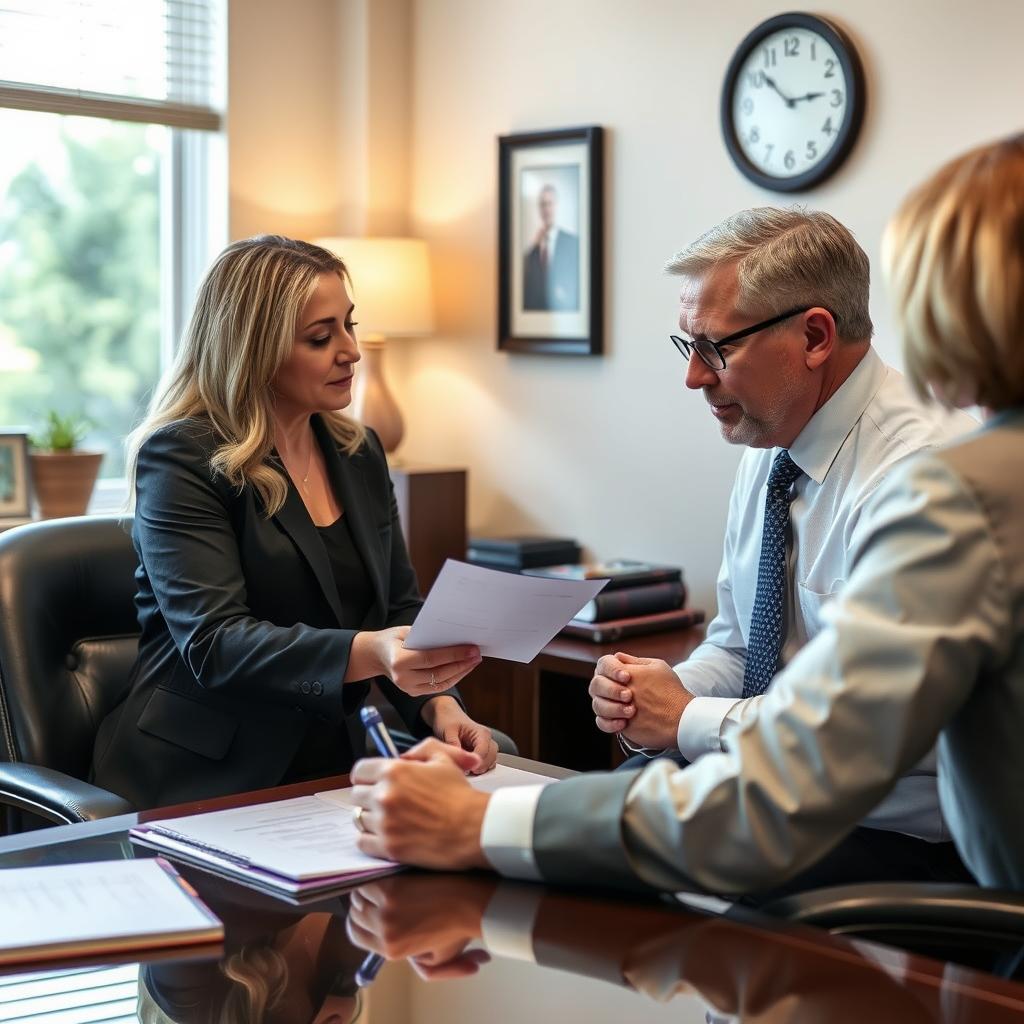
Possession with Intent to Distribute lawyer Roanoke County, VA
Under 21 U.S.C. § 841, federal possession with intent to distribute a controlled substance is a serious drug trafficking offense prosecuted by the U.S. Attorney’s Office for the Western District of Virginia. A conviction can trigger mandatory minimum prison terms, substantial fines, and supervised release—without the possibility of parole. If you are facing a federal possession‑with‑intent charge tied to Roanoke County, the Shenandoah Valley, or anywhere in the Western District, Mr. Sris and his Of Counsel team at Law Offices Of SRIS, P.C. provide experienced defense counsel. The firm has practiced since 1997 and has documented thousands of case results across Virginia. For a consultation, call (888) 437‑7747.
Under 21 U.S.C. § 841, it is unlawful to possess a controlled substance with intent to distribute; mandatory minimum sentences apply based on drug type and quantity.
Source: 21 U.S.C. § 841. 21 U.S.C. § 841
Reviewed by Mr. Sris, admitted in VA/MD/DC/NJ/NY.
What Federal Possession with Intent to Distribute Means in Roanoke County
Roanoke County lies within the U.S. District Court for the Western District of Virginia, whose main courthouse sits at 210 Franklin Rd SW, Roanoke, VA 24011. Federal drug charges brought under 21 U.S.C. § 841 often begin with an investigation by the DEA, FBI, ATF, or task force agents and proceed through a grand jury indictment. Unlike Virginia state drug cases, federal prosecutions carry mandatory minimum sentences tied to the type and weight of the controlled substance, and there is no parole in the federal system. The Western District’s U.S. Attorney’s Office in Roanoke routinely handles possession‑with‑intent cases, and experienced defense counsel familiar with local federal practice is essential.
Mr. Sris and his Of Counsel serve clients from communities across Roanoke County—including Salem, Vinton, Cave Spring, Hollins, and Catawba—through the firm’s Shenandoah Location at 505 N Main St, Suite 103, Woodstock, VA 22664. The team has appeared in the Western District on federal criminal matters and understands the procedural realities that defendants face, from initial appearance and detention hearings through sentencing under the U.S. Sentencing Guidelines.
How Mr. Sris and His Of Counsel Handle Federal Drug Cases
Defending a federal possession‑with‑intent charge starts well before trial. Mr. Sris and his Of Counsel evaluate whether law enforcement complied with the Fourth Amendment and whether any statements were obtained in violation of Miranda. They examine the chain of custody for the alleged controlled substance, challenge the sufficiency of the evidence regarding the intent‑to‑distribute element, and, where appropriate, negotiate with the Assistant U.S. Attorney to seek a charge reduction or a plea to a lesser offense.
If a case proceeds to litigation, the firm files pretrial motions to suppress evidence or dismiss defective indictments. At trial, they cross‑examine forensic chemists, case agents, and cooperating witnesses. At sentencing, they prepare a thorough presentencing memorandum, argue for downward departures or variances under the Guidelines, and, when applicable, advocate for the safety‑valve provision (18 U.S.C. § 3553(f)) or substantial‑assistance departure. Throughout the entire process, the team works to protect the client’s liberty and minimize the collateral consequences of a federal drug conviction.
About Mr. Sris and His Of Counsel Team
Mr. Sris, Owner and Founder of Law Offices Of SRIS, P.C., is a former prosecutor who has practiced since 1997. He is admitted in Virginia, Maryland, the District of Columbia, New Jersey, and New York. Mr. Sris testified before the Virginia House Courts of Justice Committee in support of 2019 HB 635 (chief patron Del. David Bulova). His Of Counsel—experienced attorneys engaged through Excella—support the firm’s federal criminal practice with deep litigation backgrounds. Together, Mr. Sris and his Of Counsel bring over 120 years of combined legal experience, supported by 4,739+ documented firm-wide results. Results may vary.
The firm has documented 34 case results in Roanoke County alone, including 4 dismissals or not‑guilty verdicts and 28 reductions or amendments—a favorable outcome in all reported instances. Results may vary.
Frequently Asked Questions
What is possession with intent to distribute under federal law?
Federal possession with intent to distribute means the government must prove the defendant knowingly possessed a controlled substance and intended to deliver or transfer it to another person. The crime is charged under 21 U.S.C. § 841, part of the Controlled Substances Act. Intent can be shown through factors such as the quantity of drugs, packaging materials, scales, large amounts of cash, or witness testimony. Unlike simple possession, a conviction for possession with intent triggers mandatory minimum sentences based on drug type and weight and carries lifelong collateral consequences.
What are the penalties for federal drug trafficking in Virginia?
Penalties depend on the type and quantity of the controlled substance, the defendant’s prior record, and whether a death or serious bodily injury resulted. Under 21 U.S.C. § 841, first‑offense trafficking involving five grams of actual methamphetamine or 500 grams of powder cocaine can carry a five‑year mandatory minimum; larger amounts or prior felony drug convictions can raise the minimum to ten years or life. Fines, supervised release, and forfeiture are also common. There is no parole in the federal system; good‑time credits are limited to approximately 54 days per year. An experienced lawyer can argue for safety‑valve relief or substantial‑assistance departures.
How does a Virginia lawyer defend against possession with intent to distribute charges?
Defense strategies include challenging the legality of the search and seizure, contesting the reliability of forensic testing, and attacking the government’s evidence of intent. An attorney may file a motion to suppress if law enforcement lacked probable cause or a valid warrant. Cross‑examination of lab analysts can reveal testing errors or chain‑of‑custody gaps. The defense may also show that the substance was for personal use—not distribution—or that the defendant lacked knowledge of the drugs. In the Western District of Virginia, Mr. Sris and his Of Counsel build a customized strategy based on the facts of each case.
What should I do if I am facing federal drug charges in Roanoke County?
Contact an experienced federal criminal defense lawyer immediately and do not discuss the case with anyone except your attorney. Preserve all documents, messages, and any evidence that may be relevant. Do not consent to any search without counsel present. Federal investigations move quickly; a grand jury indictment can be returned without your knowledge. Mr. Sris and his Of Counsel can advise you on pre‑indictment strategy, represent you at a detention hearing, and work to secure pretrial release when possible.
What is the difference between state and federal drug charges?
Federal charges are prosecuted by the U.S. Attorney’s Office in the Eastern or Western District of Virginia, carry generally harsher penalties, and offer no parole. State drug cases are handled in Virginia’s General District or Circuit Courts, while federal cases proceed in the U.S. District Court. Federal sentencing guidelines are rigid, and mandatory minimums often apply. Federal agents typically have more resources and may conduct long‑term investigations. A federal conviction also means a felony record that can affect employment, housing, and immigration status.
Can federal drug charges be dropped or reduced?
Federal drug charges can sometimes be reduced or dismissed if the evidence is insufficient, the search was unconstitutional, or the defendant cooperates with the government. A motion to suppress evidence that was obtained illegally can lead to dismissal of the indictment. The prosecutor may also agree to a plea to a lesser charge, such as simple possession, if the intent‑to‑distribute proof is weak. Substantial assistance to authorities, documented in a 5K1.1 motion, can result in a below‑mandatory‑minimum sentence. An attorney can evaluate whether any of these avenues apply in your case.
Do I need a lawyer for federal possession with intent to distribute in Virginia?
Yes, it is critical to retain an attorney who practices in the federal courts of Virginia. Federal drug prosecutions are complex, and the stakes are high—potential decades of mandatory imprisonment, fines, and lifetime consequences. An attorney can negotiate with the U.S. Attorney’s Office, challenge the government’s evidence, and advocate at sentencing. Representing oneself or relying on a lawyer without federal experience can put your future at serious risk. Mr. Sris and his Of Counsel have handled federal matters in the Western District and offer representation for clients in Roanoke County.
How does the federal sentencing process work?
After a conviction, a probation officer prepares a presentence report that calculates an advisory sentence range under the U.S. Sentencing Guidelines. The judge holds a sentencing hearing where both sides can argue for departures or variances. The safety‑valve provision may allow a sentence below a statutory mandatory minimum for certain low‑level, first‑time offenders. Victim impact statements, the defendant’s personal history, and the nature of the offense all influence the final sentence. Mr. Sris and his Of Counsel prepare thorough sentencing memoranda and present mitigating evidence to seek the most favorable outcome allowed by law.
What is the role of the U.S. Attorney’s Office in Western Virginia?
The U.S. Attorney’s Office for the Western District of Virginia prosecutes all federal felony cases, including possession‑with‑intent charges, that arise in Roanoke County and the surrounding region. The office is based in Roanoke with a division in Abingdon. Federal prosecutors, or Assistant U.S. Attorneys, present cases to a grand jury, negotiate plea agreements, and try cases before a U.S. District Judge. They work closely with federal investigative agencies such as the DEA, FBI, and ATF. Understanding the practices of the Western District’s U.S. Attorney’s Office is a key part of effective federal defense representation.
How much does a federal criminal lawyer cost?
The cost of legal representation varies depending on the complexity of the case, the stage of the proceedings, and the amount of time the attorney devotes. Some lawyers charge flat fees for specific phases; others bill hourly. Factors such as the need for expert witnesses, private investigators, or extensive motions practice can influence the total. Mr. Sris and his Of Counsel discuss fees during an initial consultation so that clients understand the financial commitment before moving forward. Reach Law Offices Of SRIS, P.C. at (888) 437‑7747 to schedule a consultation.
Outbound primary sources:
Virginia Code Title 13.1 •
SCC business entity filings •
Virginia Courts
Attorney advertising. Prior results do not guarantee a similar outcome. Results may vary.
Case results depend on a variety of factors unique to each case.