
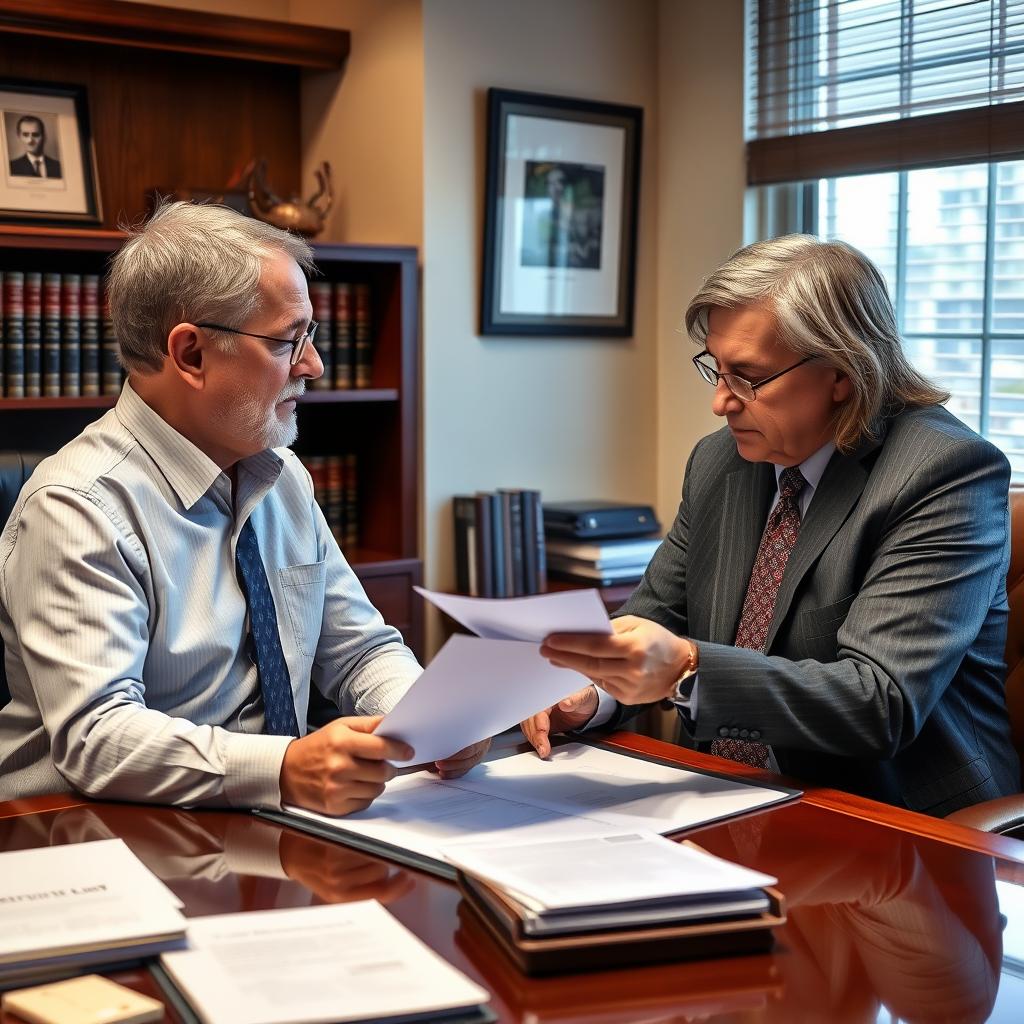
Theft of Government Property lawyer Fauquier County, VA
Federal theft of government property is prosecuted under Title 18 of the U.S. Code in U.S. District Court — a forum with federal sentencing guidelines and no parole. Law Offices Of SRIS, P.C. represents individuals in Fauquier County and across Virginia who are under investigation or have been charged with taking, converting, or unlawfully possessing money, equipment, records, or other property belonging to the United States or any of its agencies. Federal prosecutors in the Eastern District of Virginia bring these cases with substantial investigative resources and a conviction rate that exceeds 90%. For someone in Warrenton, Marshall, The Plains, or anywhere in Fauquier County, a federal charge means facing the U.S. Attorney’s Office in the Alexandria courthouse, where procedural rules, sentencing exposure, and pretrial detention standards differ markedly from Virginia’s state courts. Mr. Sris, Owner and Founder of Law Offices Of SRIS, P.C., and his Of Counsel team handle federal defense matters with the urgency and thorough preparation that federal prosecution demands. Early engagement with experienced counsel can materially affect the direction of a case — from the grand-jury stage through sentencing. To discuss your situation, reach our firm at (888) 437-7747. Law Offices Of SRIS, P.C. – Advocacy Without Borders.
What Federal Theft of Government Property Charges Mean in Fauquier County
When a Fauquier County resident faces a federal theft-of-government-property accusation, the case does not go through the local General District Court on Court Street in Warrenton. Instead, it proceeds to the U.S. District Court for the Eastern District of Virginia, primarily the Alexandria Division at 401 Courthouse Square. The Eastern District of Virginia is known for its Rocket Docket pace, and federal theft cases are investigated by agencies such as the FBI, the Defense Criminal Investigative Service, the IRS Criminal Investigation division, or the inspector general of the affected department. The conduct that triggers a federal charge can range from stealing mail or military equipment to converting government funds or filing false claims for benefits. Because the property involved belongs to the United States, federal jurisdiction is nearly automatic, and the penalties are imposed under the U.S. Sentencing Guidelines — a rigid system that calculates offense level and criminal history to produce a recommended range. There is no parole in the federal system, so every day of a sentence imposed is served.
Fauquier County sits at the western edge of Northern Virginia’s reach, with communities like New Baltimore, Bealeton, and Warrenton connected to the D.C. Metro area via I-66 and Route 29. Many of our clients are unaware that a theft alleged to have occurred locally can be charged federally when the property or program belongs to the government. The shift from state to federal court changes the entire procedural landscape: grand-jury indictment requirements, detention hearings before magistrate judges, and discovery obligations that are distinct from Virginia practice. Law Offices Of SRIS, P.C. Appears regularly in the Eastern District of Virginia and understands how federal pretrial services, the U.S. Probation Office, and the Assistant U.S. Attorneys assigned to the Alexandria Division operate. Mr. Sris and his Of Counsel equip clients with a clear picture of what to expect and build a defense that addresses the statutory elements, the evidence, and the sentencing exposure from the earliest stage.
How Mr. Sris and His Of Counsel Handle Federal Theft of Government Property Cases
Federal theft cases under Title 18 demand an approach that starts before an indictment is returned. Mr. Sris and his Of Counsel team work to engage with the investigating agency and the U.S. Attorney’s Office as soon as a client learns of an investigation, often before charges are filed. The goal is to present exculpatory information, challenge the government’s valuation of the property (which directly affects the offense level under the guidelines), and explore whether the matter can be resolved without an indictment. If the case proceeds to prosecution, the team files appropriate motions — challenges to the sufficiency of the indictment, suppression of evidence obtained through unlawful searches, and objections to loss-amount calculations that drive sentencing ranges. Because federal prosecutors are selective in the cases they bring, a thorough factual investigation of the client’s relationship to the government property, any authorization to possess or use it, and the chain of custody is essential.
At sentencing, the firm advocates for downward departures and variances based on acceptance of responsibility, substantial assistance, or circumstances not adequately considered by the guidelines. The firm also evaluates whether the client qualifies for the safety-valve provision or other statutory mechanisms that reduce mandatory minimums. Throughout the process, Mr. Sris and his Of Counsel coordinate with forensic accountants, valuation attorneys, and former federal agents as needed to test the government’s loss figures. The aim is a well-prepared defense that addresses both the legal elements of the charge and the practical realities of federal sentencing. Results vary; prior outcomes do not guarantee a similar result in any particular matter.
About Mr. Sris and His Of Counsel Team
Mr. Sris, Owner and Founder of Law Offices Of SRIS, P.C., has practiced since 1997 and is a former prosecutor. He is admitted in Virginia, Maryland, the District of Columbia, New Jersey, and New York, and he personally concentrates his practice on complex criminal defense, including federal matters. Mr. Sris testified before the Virginia House Courts of Justice Committee in support of 2019 HB 635 (chief patron Del. David Bulova). His Of Counsel team includes attorneys with federal-court experience and backgrounds that strengthen the firm’s ability to challenge the government’s case. Together, Mr. Sris and his Of Counsel bring over 120 years of combined legal experience. Results may vary. The firm has documented 4,739+ case results since 1997 across all practice areas.
Frequently Asked Questions
What are the penalties for theft of government property in Fauquier County, Virginia?
Penalties for federal theft of government property depend on the value of the property, the defendant’s criminal history, and the specific statute charged, and they are determined under the U.S. Sentencing Guidelines. Because there is no parole in the federal system, any prison term is served almost in full. The court may also impose fines, restitution to the government agency, and a term of supervised release. The exact exposure varies based on the offense level calculated under the guidelines and any applicable mandatory minimums or statutory maximums. An attorney can evaluate the specific facts of your case to estimate the likely sentencing range.
How does a federal defense attorney in Fauquier County fight a theft-of-government-property charge?
A defense against federal theft of government property typically involves challenging the government’s evidence of intent, the valuation of the property, and the lawfulness of the investigation. Counsel may also negotiate with the U.S. Attorney’s Office for a pre-indictment resolution or a plea to a lesser offense that carries lower guideline exposure. In court, motions to suppress evidence, challenges to the indictment, and arguments about the applicability of sentencing enhancements are common. Mr. Sris and his Of Counsel tailor the strategy to the specific agency involved and the procedural posture of the case.
What should I do if I am under investigation for theft of government property in Fauquier County?
If you learn you are under federal investigation, contact an experienced federal criminal defense attorney immediately and do not speak with investigators without counsel present. Preserve all documents, communications, and records that may relate to the government property or transaction at issue, because destruction of evidence can lead to separate obstruction charges. Early legal intervention — before an indictment — can sometimes persuade the U.S. Attorney’s Office not to file charges or to bring a less serious charge. Delaying contact with a lawyer can limit your options.
What is the difference between state and federal theft charges in Virginia?
Federal theft charges are prosecuted by the U.S. Attorney’s Office in U.S. District Court and carry federal sentencing guidelines with no parole, while state theft charges are handled in Virginia’s General District or Circuit Court. State charges under Va. Code § 18.2-95 or § 18.2-96 depend on the value of the property taken and are classified as misdemeanors or felonies. Federal jurisdiction attaches when the property belongs to the United States or a federal agency. Federal cases also involve different rules of evidence, discovery, and pretrial detention standards. An attorney familiar with both systems can advise on the implications.
How do federal sentencing guidelines work for theft of government property in the Eastern District of Virginia?
Federal sentencing for theft of government property in the Eastern District of Virginia follows the U.S. Sentencing Guidelines, which calculate an offense level based primarily on the loss amount and then adjust for offender characteristics and acceptance of responsibility. The loss table in the guidelines sets the base offense level; higher dollar amounts result in higher levels and longer recommended sentences. The court also considers restitution and may order forfeiture of assets traceable to the offense. While the guidelines are advisory after the Supreme Court’s Booker decision, judges in the Eastern District generally sentence within or near the calculated range. Mr. Sris and his Of Counsel can explain how these factors apply to your situation.
Do I need a lawyer for a federal theft of government property case in Fauquier County?
Yes, you need a lawyer who regularly practices in federal court and understands the Eastern District of Virginia’s procedures and the U.S. Sentencing Guidelines. Federal prosecutors have high conviction rates and access to extensive investigative resources. Without counsel, you risk making statements that can be used against you, failing to preserve evidence that supports your defense, and being disadvantaged at detention and sentencing hearings. Law Offices Of SRIS, P.C. offers consultation by appointment — reach our firm at (888) 437-7747 to discuss your matter.
For additional resources on federal criminal defense in nearby counties, you may find these pages helpful: federal criminal lawyer in Fairfax County, Prince William County federal criminal defense, Stafford County federal charges representation, Loudoun County federal defense, and federal criminal defense in Arlington County.
Primary-source references: Virginia Code Title 13.1 (business entities; relevant for property ownership contexts) · SCC business entity filings · Virginia Judicial System.
Attorney advertising. Prior results do not guarantee a similar outcome. Case results depend on a variety of factors unique to each case. Results may vary.